

About This Book
The author proposes that many acquired habits become hereditary through a process likened to memory, and examines how unconscious or quasi-unconscious actions illuminate instinct, embryology, and the transmission of traits. He distinguishes conscious and unconscious knowing, explores personal identity and subordinate personalities, and considers assimilation of outside matter alongside the suspension (abeyance) of memory. Applying these ideas, he argues that instincts may be inherited memories and discusses examples such as neuter insects. The work critiques and contrasts prevailing evolutionary theories and outlines implications for the origin of species and the continuity of life.
About the Author

More Books by This Author
6 picks
 A First Year in Canterbury Settlement
by Samuel Butler
A First Year in Canterbury Settlement
by Samuel Butler
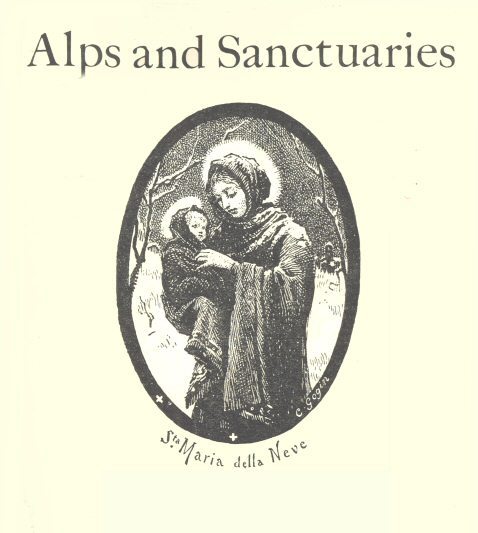 Alps and Sanctuaries of Piedmont and the Canton Ticino
by Samuel Butler
Alps and Sanctuaries of Piedmont and the Canton Ticino
by Samuel Butler
 Atlas of ancient & classical geography
by Samuel Butler
Atlas of ancient & classical geography
by Samuel Butler
 Cambridge Pieces
by Samuel Butler
Cambridge Pieces
by Samuel Butler
 Canterbury Pieces
by Samuel Butler
Canterbury Pieces
by Samuel Butler
 Erewhon Revisited Twenty Years Later, Both by the Original Discoverer of the Country and by His Son
by Samuel Butler
Erewhon Revisited Twenty Years Later, Both by the Original Discoverer of the Country and by His Son
by Samuel Butler
You May Also Like
6 picks
 The Overman
by Upton Sinclair
The Overman
by Upton Sinclair
 Peter Abélard
by Joseph McCabe
Peter Abélard
by Joseph McCabe
 Occultists & mystics of all ages
by Ralph Shirley
Occultists & mystics of all ages
by Ralph Shirley
 La mirabile visione: Abbozzo d'una storia della Divina Comedia
by Giovanni Pascoli
La mirabile visione: Abbozzo d'una storia della Divina Comedia
by Giovanni Pascoli
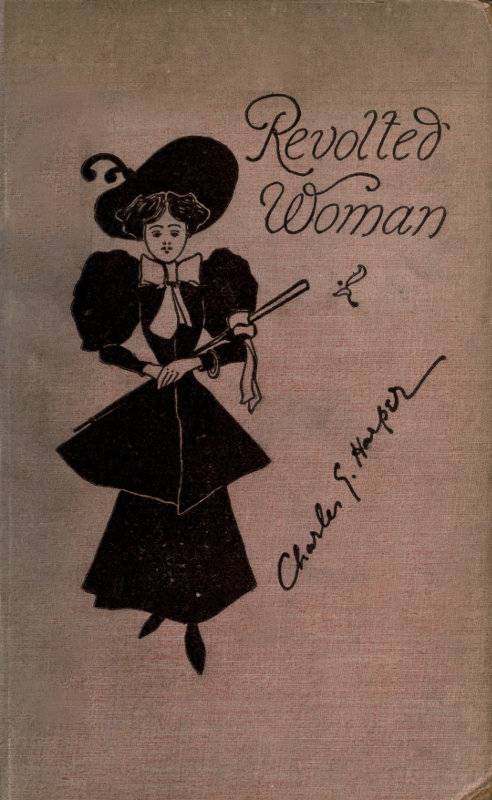 Revolted Woman: Past, present, and to come
by Charles G. Harper
Revolted Woman: Past, present, and to come
by Charles G. Harper
 The Thirteen Names of the First Patriarchs, Considered as Figurative of the Progressive Influence of the Spirit. / Being the Substance of Two Sermons, Preached on Wednesday March 24, and April 3, 1811, at the Obelisk Chapel
by J. Church
The Thirteen Names of the First Patriarchs, Considered as Figurative of the Progressive Influence of the Spirit. / Being the Substance of Two Sermons, Preached on Wednesday March 24, and April 3, 1811, at the Obelisk Chapel
by J. Church