
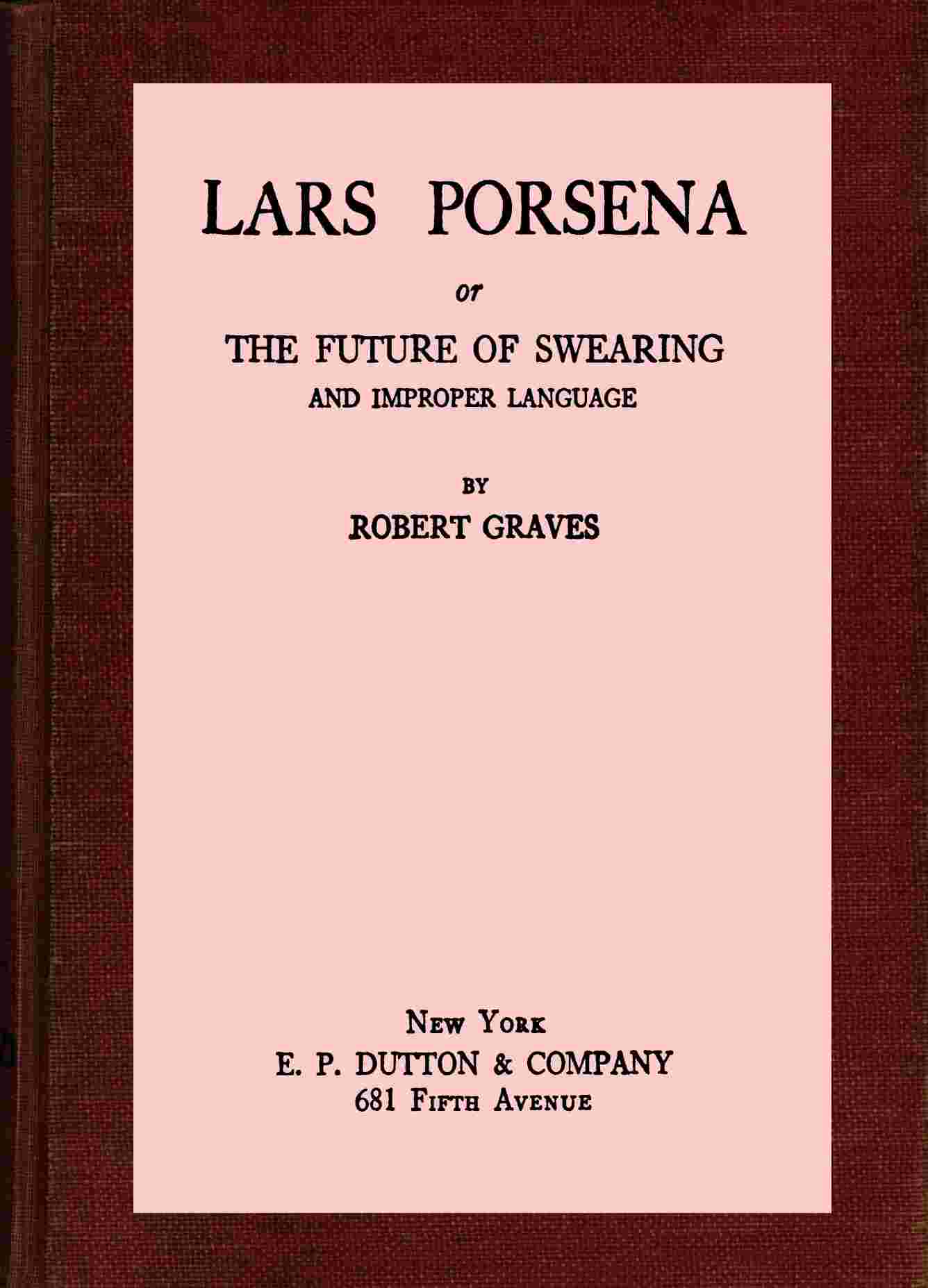
About This Book
The essay examines the social history and functional role of swearing and improper language, arguing that oaths derive their force from religious and legal taboos and have weakened as priestly authority and sacred intermediaries declined. It surveys how sacred names, saints, scripture, and images of Hell and the Devil have been invoked, diluted, or sidelined by changing belief and mass dissemination of sacred texts, and notes variation in usage across regions and classes. Using historical examples and linguistic observation, the author explores why profanity persists as an emotional outlet, how its potency depends on taboo, and how major social shocks might revive it.
About the Author

More Books by This Author
6 picks



You May Also Like
6 picks
 The Ancient Phonetic Alphabet of Yucatan
by Daniel G. Brinton
The Ancient Phonetic Alphabet of Yucatan
by Daniel G. Brinton
 Little Man's family = Diné yázhí ba'áłchíní : pre-primer
by J. B. Enochs
Little Man's family = Diné yázhí ba'áłchíní : pre-primer
by J. B. Enochs
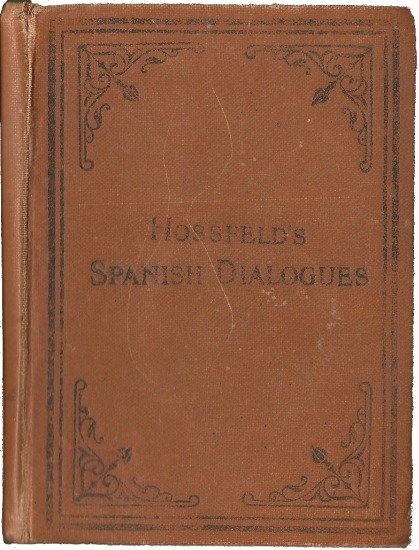 Hossfeld's Spanish Dialogues, and Idiomatic Phrases Indispensible for a Rapid Acquisition of the Spanish Language
by W. N. Cornett
Hossfeld's Spanish Dialogues, and Idiomatic Phrases Indispensible for a Rapid Acquisition of the Spanish Language
by W. N. Cornett
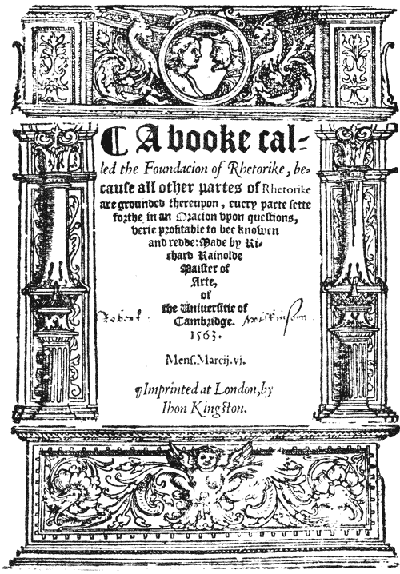 A booke called the Foundacion of Rhetorike / because all other partes of Rhetorike are grounded thereupon, euery parte sette forthe in an Oracion vpon questions, verie profitable to bee knowen and redde
by Richard Rainolde
A booke called the Foundacion of Rhetorike / because all other partes of Rhetorike are grounded thereupon, euery parte sette forthe in an Oracion vpon questions, verie profitable to bee knowen and redde
by Richard Rainolde
 The Wiradyuri and Other Languages of New South Wales
by R. H. Mathews
The Wiradyuri and Other Languages of New South Wales
by R. H. Mathews
 Het Esperanto in Twintig Lessen
by A. Blok
Het Esperanto in Twintig Lessen
by A. Blok