
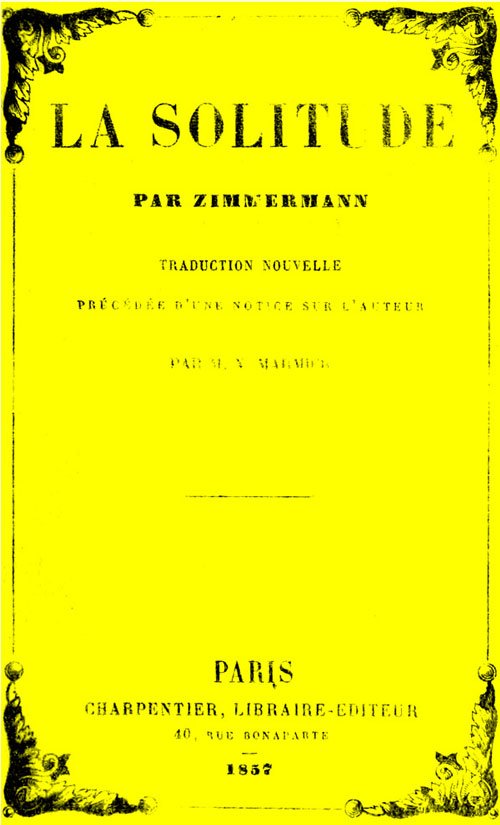
About This Book
This essay reflects on how early environment and modes of social life shape temperament and creative sensibility, arguing that solitude and exposure to nature foster poetic imagination while social intercourse develops practical faculties. It traces how an excess of either condition can misalign character—too much sociability yielding superficial wit, excessive solitude producing melancholy, inner conflict, and misanthropy. Through psychological observation and literary and cultural examples, it weighs solitude's consolations and risks, and advocates balancing contemplative inwardness with active participation in the world to cultivate both depth and effectiveness.
About the Author
More Books by This Author
1 picks
You May Also Like
6 picks
 The Vote That Made the President
by David Dudley Field
The Vote That Made the President
by David Dudley Field
 On dreams
by Sigmund Freud
On dreams
by Sigmund Freud
 Essays Upon Some Controverted Questions
by Thomas Henry Huxley
Essays Upon Some Controverted Questions
by Thomas Henry Huxley
 Religion and Lust / or, The Psychical Correlation of Religious Emotion and Sexual Desire
by Jr. James Weir
Religion and Lust / or, The Psychical Correlation of Religious Emotion and Sexual Desire
by Jr. James Weir
 The Kernel and the Husk: Letters on Spiritual Christianity
by Edwin Abbott Abbott
The Kernel and the Husk: Letters on Spiritual Christianity
by Edwin Abbott Abbott
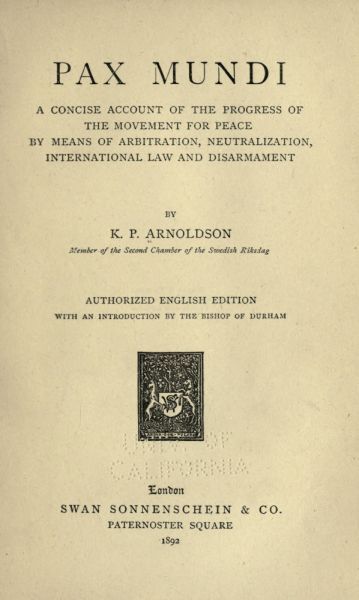 Pax mundi
by K. P. Arnoldson
Pax mundi
by K. P. Arnoldson