

La plebe, parte I
The novel begins with a short preface explaining the choice to present social critique through fiction, then moves into vivid scenes set in the city’s poorest quarters. Under winter fog it follows episodic encounters — an observant wanderer, a starving child selling matches, crowded tenements, sordid inns and the spectacle of hospital misery — that together sketch daily deprivation and moral strain. Through these tableaux the narrative examines the structural causes and human effects of poverty, the tension between pity and social duty, and a plea for greater attention to elevating dispossessed populations, showing compassion amid harsh living conditions.
About This Book
The novel begins with a short preface explaining the choice to present social critique through fiction, then moves into vivid scenes set in the city’s poorest quarters. Under winter fog it follows episodic encounters — an observant wanderer, a starving child selling matches, crowded tenements, sordid inns and the spectacle of hospital misery — that together sketch daily deprivation and moral strain. Through these tableaux the narrative examines the structural causes and human effects of poverty, the tension between pity and social duty, and a plea for greater attention to elevating dispossessed populations, showing compassion amid harsh living conditions.
About the Author
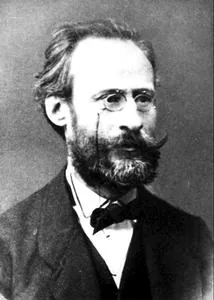
More Books by This Author






You May Also Like
 "And That's How It Was, Officer"
by Ralph Sholto
"And That's How It Was, Officer"
by Ralph Sholto
 "Ask Mamma"; or, The Richest Commoner In England
by Robert Smith Surtees
"Ask Mamma"; or, The Richest Commoner In England
by Robert Smith Surtees
 "Boy" the Wandering Dog: Adventures of a Fox-Terrier
by Marshall Saunders
"Boy" the Wandering Dog: Adventures of a Fox-Terrier
by Marshall Saunders
 "Captains Courageous": A Story of the Grand Banks
by Rudyard Kipling
"Captains Courageous": A Story of the Grand Banks
by Rudyard Kipling
 "Captains Courageous": A Story of the Grand Banks
by Rudyard Kipling
"Captains Courageous": A Story of the Grand Banks
by Rudyard Kipling
 "Gentlemen prefer blondes"
by Anita Loos
"Gentlemen prefer blondes"
by Anita Loos