
La Divina Commedia di Dante: Paradiso
A pilgrim is led through successive celestial spheres by a beloved guide, witnessing hierarchies of blessed souls whose lives and virtues appear as radiant lights. Poetic vision and theological argument interweave as the narrator reflects on divine love, cosmic order, and the motions that bind creation to providence. Cantos alternate luminous spectacle with philosophical explanation, mapping virtues to heavens and preparing for an ultimate, ineffable encounter with the divine that is suggested through imagery of light, harmony, and motion.
About This Book
A pilgrim is led through successive celestial spheres by a beloved guide, witnessing hierarchies of blessed souls whose lives and virtues appear as radiant lights. Poetic vision and theological argument interweave as the narrator reflects on divine love, cosmic order, and the motions that bind creation to providence. Cantos alternate luminous spectacle with philosophical explanation, mapping virtues to heavens and preparing for an ultimate, ineffable encounter with the divine that is suggested through imagery of light, harmony, and motion.
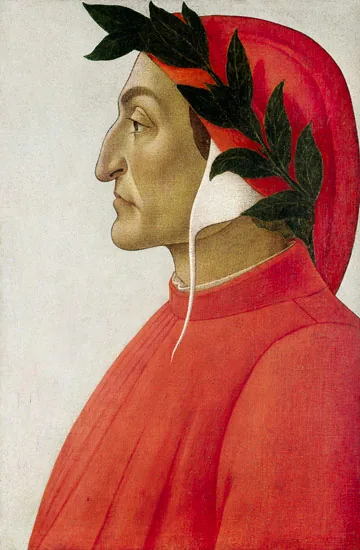
About the Author
More Books by This Author
 Dante's Hel / In proza overgebracht en met een inleiding voorzien
by Dante Alighieri
Dante's Hel / In proza overgebracht en met een inleiding voorzien
by Dante Alighieri
 Dante's Louteringsberg / in proza overgebracht
by Dante Alighieri
Dante's Louteringsberg / in proza overgebracht
by Dante Alighieri
 Die Göttliche Komödie
by Dante Alighieri
Die Göttliche Komödie
by Dante Alighieri
 Divina Commedia di Dante: Inferno
by Dante Alighieri
Divina Commedia di Dante: Inferno
by Dante Alighieri
 Divina Commedia di Dante: Paradiso
by Dante Alighieri
Divina Commedia di Dante: Paradiso
by Dante Alighieri
 Divina Commedia di Dante: Purgatorio
by Dante Alighieri
Divina Commedia di Dante: Purgatorio
by Dante Alighieri
You May Also Like
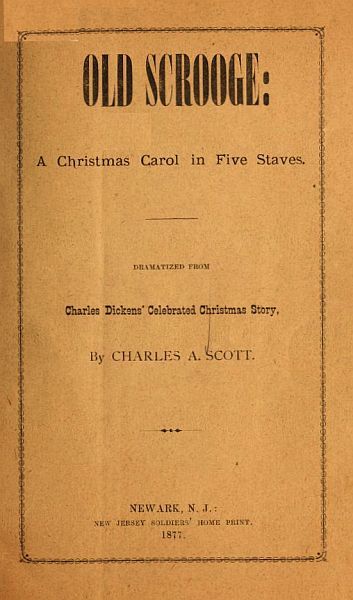 "Old Scrooge": A Christmas Carol in Five Staves. / Dramatized from Charles Dickens' Celebrated Christmas Story.
by Charles Augustus Scott
"Old Scrooge": A Christmas Carol in Five Staves. / Dramatized from Charles Dickens' Celebrated Christmas Story.
by Charles Augustus Scott
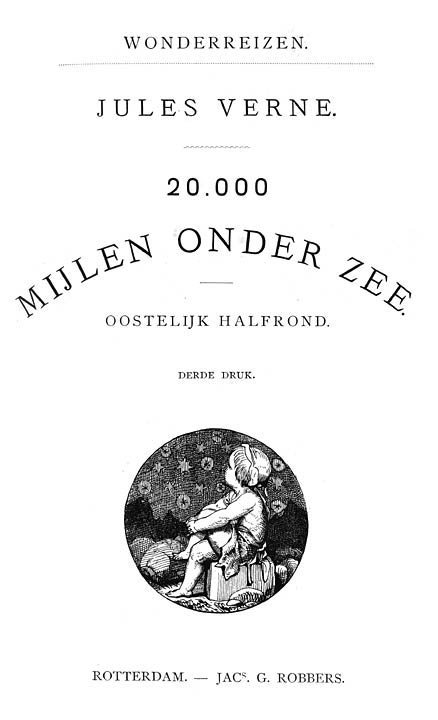 20.000 Mijlen onder Zee: Oostelijk Halfrond
by Jules Verne
20.000 Mijlen onder Zee: Oostelijk Halfrond
by Jules Verne
 20.000 Mijlen onder Zee: Westelijk Halfrond
by Jules Verne
20.000 Mijlen onder Zee: Westelijk Halfrond
by Jules Verne
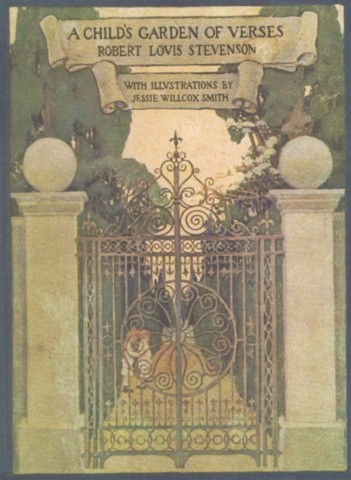 A Child's Garden of Verses
by Robert Louis Stevenson
A Child's Garden of Verses
by Robert Louis Stevenson
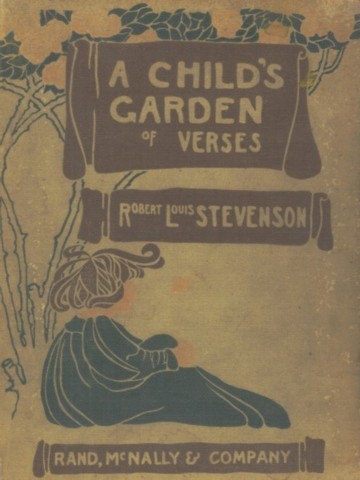 A Child's Garden of Verses
by Robert Louis Stevenson
A Child's Garden of Verses
by Robert Louis Stevenson
 A Child's Garden of Verses
by Robert Louis Stevenson
A Child's Garden of Verses
by Robert Louis Stevenson