
La Divina Commedia di Dante: Complete
The poem follows a pilgrim’s visionary passage through three ordered realms of the afterlife—Inferno, Purgatorio, and Paradiso—arranged in canticles and cantos. Guided first by a revered classical mentor and later by a celestial companion, the narrator observes vivid punishments, stages of purification, and harmonious blessedness, encountering a gallery of historical and symbolic souls. The work maps a moral cosmos while examining sin, repentance, divine justice, and love, and culminates in a transcendent ascent that seeks union with the ultimate divine light.
About This Book
The poem follows a pilgrim’s visionary passage through three ordered realms of the afterlife—Inferno, Purgatorio, and Paradiso—arranged in canticles and cantos. Guided first by a revered classical mentor and later by a celestial companion, the narrator observes vivid punishments, stages of purification, and harmonious blessedness, encountering a gallery of historical and symbolic souls. The work maps a moral cosmos while examining sin, repentance, divine justice, and love, and culminates in a transcendent ascent that seeks union with the ultimate divine light.
About the Author
More Books by This Author
 Dante's Hel / In proza overgebracht en met een inleiding voorzien
by Dante Alighieri
Dante's Hel / In proza overgebracht en met een inleiding voorzien
by Dante Alighieri
 Dante's Louteringsberg / in proza overgebracht
by Dante Alighieri
Dante's Louteringsberg / in proza overgebracht
by Dante Alighieri
 Die Göttliche Komödie
by Dante Alighieri
Die Göttliche Komödie
by Dante Alighieri
 Divina Commedia di Dante: Inferno
by Dante Alighieri
Divina Commedia di Dante: Inferno
by Dante Alighieri
 Divina Commedia di Dante: Paradiso
by Dante Alighieri
Divina Commedia di Dante: Paradiso
by Dante Alighieri
 Divina Commedia di Dante: Purgatorio
by Dante Alighieri
Divina Commedia di Dante: Purgatorio
by Dante Alighieri
You May Also Like
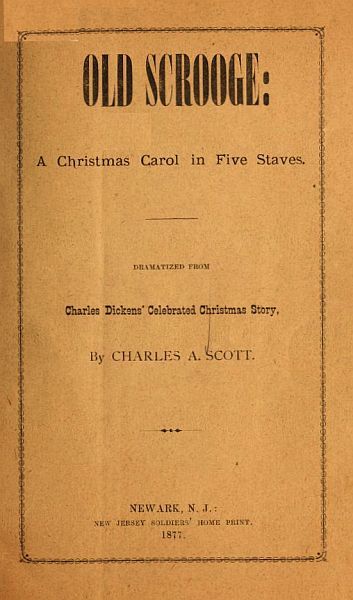 "Old Scrooge": A Christmas Carol in Five Staves. / Dramatized from Charles Dickens' Celebrated Christmas Story.
by Charles Augustus Scott
"Old Scrooge": A Christmas Carol in Five Staves. / Dramatized from Charles Dickens' Celebrated Christmas Story.
by Charles Augustus Scott
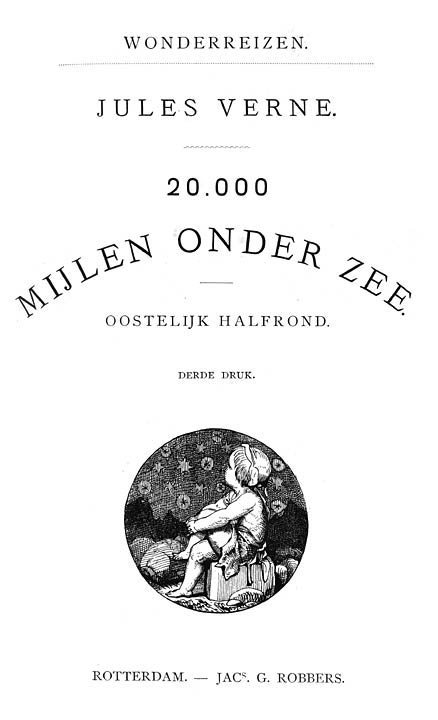 20.000 Mijlen onder Zee: Oostelijk Halfrond
by Jules Verne
20.000 Mijlen onder Zee: Oostelijk Halfrond
by Jules Verne
 20.000 Mijlen onder Zee: Westelijk Halfrond
by Jules Verne
20.000 Mijlen onder Zee: Westelijk Halfrond
by Jules Verne
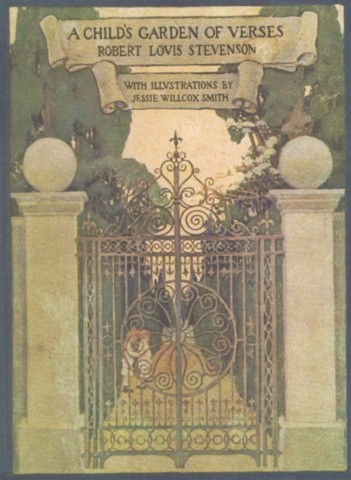 A Child's Garden of Verses
by Robert Louis Stevenson
A Child's Garden of Verses
by Robert Louis Stevenson
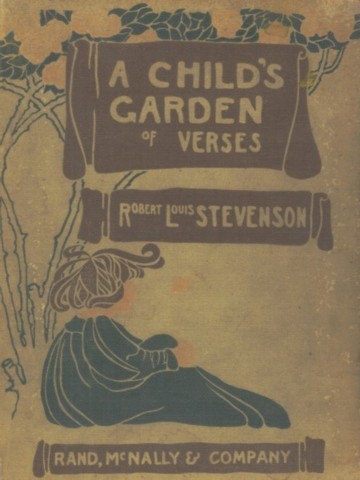 A Child's Garden of Verses
by Robert Louis Stevenson
A Child's Garden of Verses
by Robert Louis Stevenson
 A Child's Garden of Verses
by Robert Louis Stevenson
A Child's Garden of Verses
by Robert Louis Stevenson