

La Divina Comèdia: Paradìs / English title is Dante's Paradise
A pilgrim ascends through concentric celestial spheres guided by a beloved heavenly figure, encountering orders of blessed souls and angelic ranks that exemplify virtues and theological truths. Each encounter unfolds philosophical and moral discussions about divine love, justice, free will, and the ordered harmony of the cosmos, often pictured through light and music. As the pilgrim gains intellectual and spiritual clarity, earlier doubts are transformed into deeper understanding, and the ascent culminates in an overwhelming, direct vision of the divine that unifies knowledge, love, and the structure of creation.
About This Book
A pilgrim ascends through concentric celestial spheres guided by a beloved heavenly figure, encountering orders of blessed souls and angelic ranks that exemplify virtues and theological truths. Each encounter unfolds philosophical and moral discussions about divine love, justice, free will, and the ordered harmony of the cosmos, often pictured through light and music. As the pilgrim gains intellectual and spiritual clarity, earlier doubts are transformed into deeper understanding, and the ascent culminates in an overwhelming, direct vision of the divine that unifies knowledge, love, and the structure of creation.
About the Author
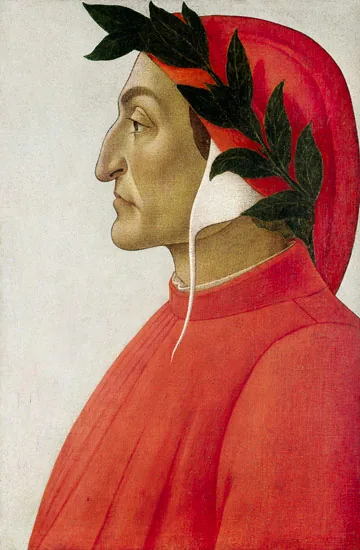
More Books by This Author
 Dante's Hel / In proza overgebracht en met een inleiding voorzien
by Dante Alighieri
Dante's Hel / In proza overgebracht en met een inleiding voorzien
by Dante Alighieri
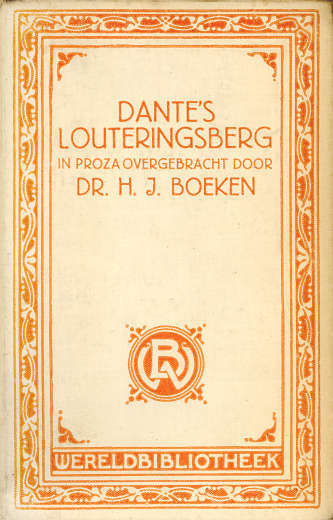 Dante's Louteringsberg / in proza overgebracht
by Dante Alighieri
Dante's Louteringsberg / in proza overgebracht
by Dante Alighieri
 Die Göttliche Komödie
by Dante Alighieri
Die Göttliche Komödie
by Dante Alighieri
 Divina Commedia di Dante: Inferno
by Dante Alighieri
Divina Commedia di Dante: Inferno
by Dante Alighieri
 Divina Commedia di Dante: Paradiso
by Dante Alighieri
Divina Commedia di Dante: Paradiso
by Dante Alighieri
 Divina Commedia di Dante: Purgatorio
by Dante Alighieri
Divina Commedia di Dante: Purgatorio
by Dante Alighieri
You May Also Like
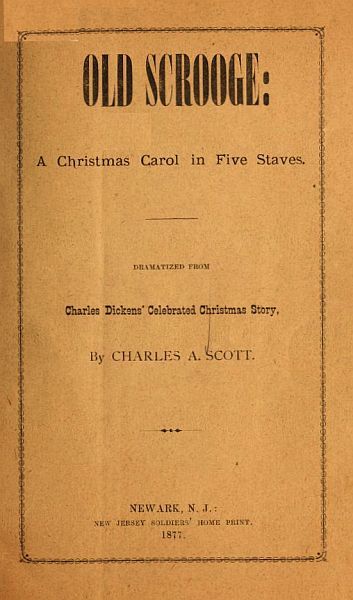 "Old Scrooge": A Christmas Carol in Five Staves. / Dramatized from Charles Dickens' Celebrated Christmas Story.
by Charles Augustus Scott
"Old Scrooge": A Christmas Carol in Five Staves. / Dramatized from Charles Dickens' Celebrated Christmas Story.
by Charles Augustus Scott
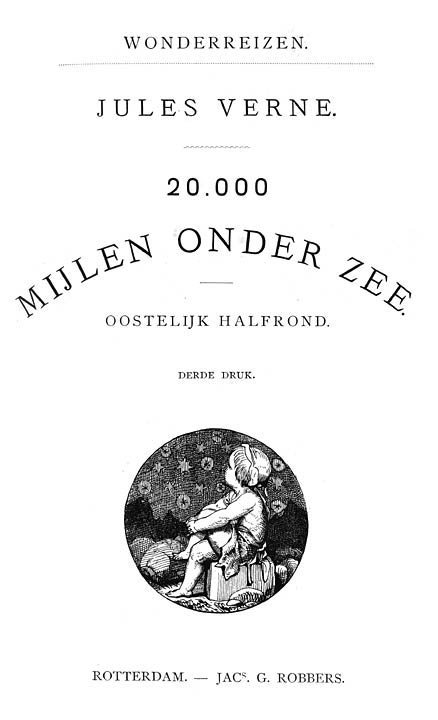 20.000 Mijlen onder Zee: Oostelijk Halfrond
by Jules Verne
20.000 Mijlen onder Zee: Oostelijk Halfrond
by Jules Verne
 20.000 Mijlen onder Zee: Westelijk Halfrond
by Jules Verne
20.000 Mijlen onder Zee: Westelijk Halfrond
by Jules Verne
 A Child's Garden of Verses
by Robert Louis Stevenson
A Child's Garden of Verses
by Robert Louis Stevenson
 A Child's Garden of Verses
by Robert Louis Stevenson
A Child's Garden of Verses
by Robert Louis Stevenson
 A Child's Garden of Verses
by Robert Louis Stevenson
A Child's Garden of Verses
by Robert Louis Stevenson