

La Divina Comèdia: Infièr / (Dante's Inferno)
The poem traces a pilgrim's descent through a vast infernal realm under the guidance of a classical poet, passing concentric circles where souls undergo punishments that reflect their earthly faults. Encounters with mythic and historical figures frame moral and theological reflections on sin, justice, and human responsibility. The structure proceeds through progressively harsher torments and episodic encounters that illuminate consequences of vice, while sustaining an allegorical movement toward moral awareness that sets the stage for later ascent.
About This Book
The poem traces a pilgrim's descent through a vast infernal realm under the guidance of a classical poet, passing concentric circles where souls undergo punishments that reflect their earthly faults. Encounters with mythic and historical figures frame moral and theological reflections on sin, justice, and human responsibility. The structure proceeds through progressively harsher torments and episodic encounters that illuminate consequences of vice, while sustaining an allegorical movement toward moral awareness that sets the stage for later ascent.
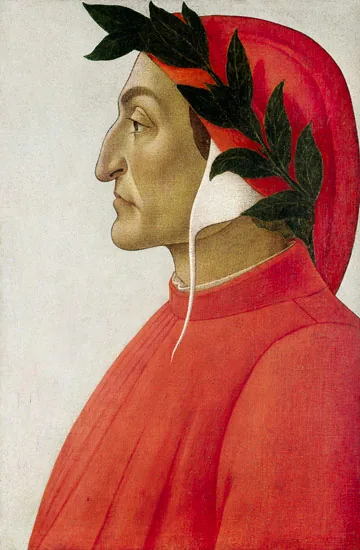
About the Author
More Books by This Author
 Dante's Hel / In proza overgebracht en met een inleiding voorzien
by Dante Alighieri
Dante's Hel / In proza overgebracht en met een inleiding voorzien
by Dante Alighieri
 Dante's Louteringsberg / in proza overgebracht
by Dante Alighieri
Dante's Louteringsberg / in proza overgebracht
by Dante Alighieri
 Die Göttliche Komödie
by Dante Alighieri
Die Göttliche Komödie
by Dante Alighieri
 Divina Commedia di Dante: Inferno
by Dante Alighieri
Divina Commedia di Dante: Inferno
by Dante Alighieri
 Divina Commedia di Dante: Paradiso
by Dante Alighieri
Divina Commedia di Dante: Paradiso
by Dante Alighieri
 Divina Commedia di Dante: Purgatorio
by Dante Alighieri
Divina Commedia di Dante: Purgatorio
by Dante Alighieri
You May Also Like
 "Old Scrooge": A Christmas Carol in Five Staves. / Dramatized from Charles Dickens' Celebrated Christmas Story.
by Charles Augustus Scott
"Old Scrooge": A Christmas Carol in Five Staves. / Dramatized from Charles Dickens' Celebrated Christmas Story.
by Charles Augustus Scott
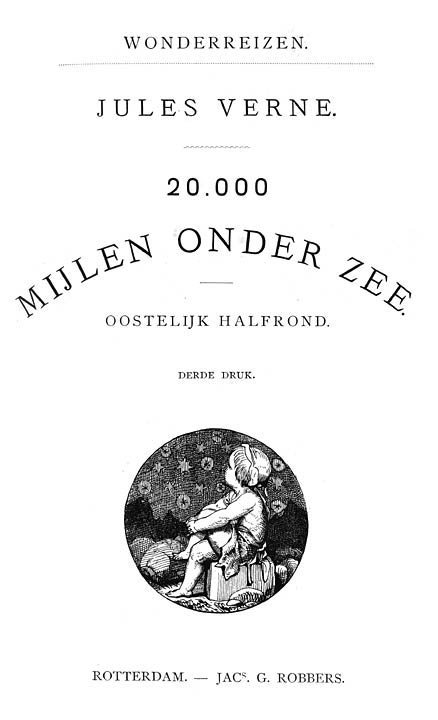 20.000 Mijlen onder Zee: Oostelijk Halfrond
by Jules Verne
20.000 Mijlen onder Zee: Oostelijk Halfrond
by Jules Verne
 20.000 Mijlen onder Zee: Westelijk Halfrond
by Jules Verne
20.000 Mijlen onder Zee: Westelijk Halfrond
by Jules Verne
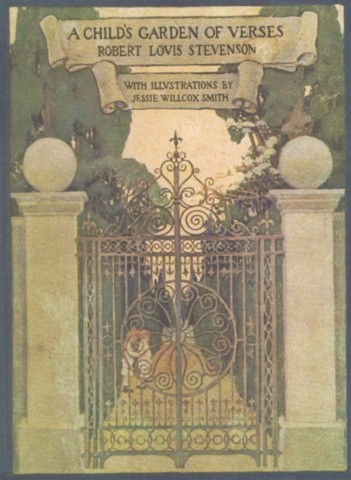 A Child's Garden of Verses
by Robert Louis Stevenson
A Child's Garden of Verses
by Robert Louis Stevenson
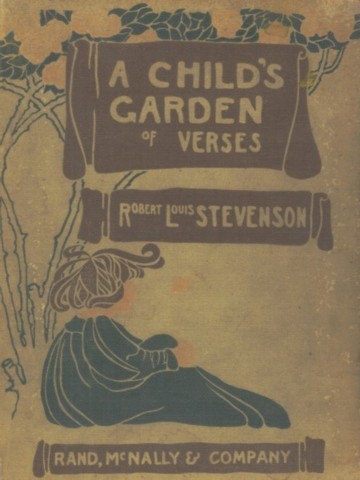 A Child's Garden of Verses
by Robert Louis Stevenson
A Child's Garden of Verses
by Robert Louis Stevenson
 A Child's Garden of Verses
by Robert Louis Stevenson
A Child's Garden of Verses
by Robert Louis Stevenson