
WeRead Powered by ReaderPub
La conquista di Roma cover

La conquista di Roma

The narrative follows an ambitious provincial lawyer-turned-elected representative during his journey toward the capital, alternating external travel scenes with intimate interior reflection. He clings to a gold medallion that symbolizes his electoral victory while recalling the poverty, rivalries, and petty legal work that marked his past; social observation and satirical detail reveal parliamentary routine, provincial mores, and the emotional cost of political ascent. The work interweaves landscape, urban settings, and small-scale episodes to examine compromise, vanity, and the tension between private memory and public ambition.

About This Book

The narrative follows an ambitious provincial lawyer-turned-elected representative during his journey toward the capital, alternating external travel scenes with intimate interior reflection. He clings to a gold medallion that symbolizes his electoral victory while recalling the poverty, rivalries, and petty legal work that marked his past; social observation and satirical detail reveal parliamentary routine, provincial mores, and the emotional cost of political ascent. The work interweaves landscape, urban settings, and small-scale episodes to examine compromise, vanity, and the tension between private memory and public ambition.

About the Author
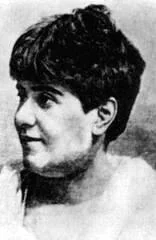
Serao, Matilde portrait

Matilde Serao

Matilde Serao was an influential Italian author and journalist, known for her vivid storytelling and keen social observations. Born in 1856 in Naples, she became a prominent figure in Italian literature, contributing significantly to the literary scene of her time. Serao's works often explore themes of love, life, and the complexities of human relationships. Among her notable books is "Sterminator Vesevo" (Vesuvius the great exterminator), which provides a gripping account of the 1906 eruption of Mount Vesuvius. Her novels, such as "After the Pardon" and "The Desire of Life," reflect her deep understanding of the human condition and the societal issues of her era.

More Books by This Author