

About This Book
A collection of linked short narratives depicts marginalized, often homeless or transient people whose lives are shaped by poverty, labor, and rough urban and seaside environments. Through vivid, naturalistic scenes and direct, unsentimental prose, the stories examine survival tactics, moments of solidarity and betrayal, impulsive yearning for freedom, and the ironies of machines and commerce overwhelming human agency. Episodes shift between brisk, action-driven incidents and reflective passages that linger on hunger, drink, and the hard dignity of everyday endurance, offering a mosaic of characters and situations rather than a single plot.
About the Author
More Books by This Author
6 picks






You May Also Like
6 picks
 The shooting party
by Anton Pavlovich Chekhov
The shooting party
by Anton Pavlovich Chekhov
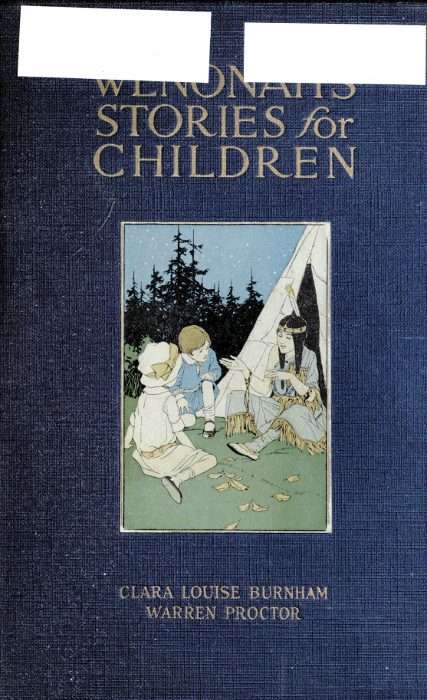 Wenonah's Stories for Children
by Clara Louise Burnham
Wenonah's Stories for Children
by Clara Louise Burnham
 Floyd's Flowers; Or, Duty and Beauty for Colored Children / Being One Hundred Short Stories Gleaned from the Storehouse of Human Knowledge and Experience: Simple, Amusing, Elevating
by Silas Xavier Floyd
Floyd's Flowers; Or, Duty and Beauty for Colored Children / Being One Hundred Short Stories Gleaned from the Storehouse of Human Knowledge and Experience: Simple, Amusing, Elevating
by Silas Xavier Floyd
 Something Will Turn Up
by David Mason
Something Will Turn Up
by David Mason
 Elbeszélések
by Zsigmond Sebők
Elbeszélések
by Zsigmond Sebők
 The life-eater
by Harold Ward
The life-eater
by Harold Ward