

Jumalainen näytelmä
A pilgrim, found in a dark wood, undertakes a visionary passage through three realms of the afterlife: a realm of torment, a mountain of purification, and the celestial spheres of blessedness. Guided first by a revered classical poet and later by an emblem of divine love, the traveler encounters condemned, penitent, and beatified souls whose destinies illustrate moral order and divine justice. The work combines vivid allegory, theological meditation, and carefully ordered structure to examine sin, repentance, divine grace, and the soul’s ascent toward ultimate beatitude.
About This Book
A pilgrim, found in a dark wood, undertakes a visionary passage through three realms of the afterlife: a realm of torment, a mountain of purification, and the celestial spheres of blessedness. Guided first by a revered classical poet and later by an emblem of divine love, the traveler encounters condemned, penitent, and beatified souls whose destinies illustrate moral order and divine justice. The work combines vivid allegory, theological meditation, and carefully ordered structure to examine sin, repentance, divine grace, and the soul’s ascent toward ultimate beatitude.
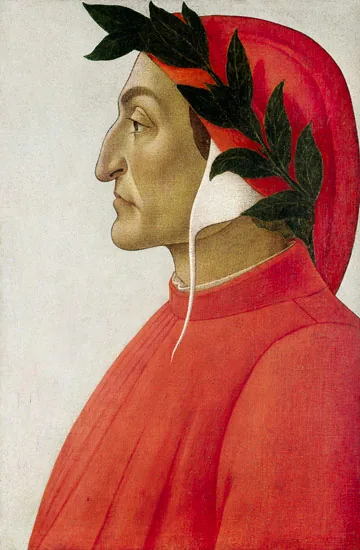
About the Author
More Books by This Author
 Dante's Hel / In proza overgebracht en met een inleiding voorzien
by Dante Alighieri
Dante's Hel / In proza overgebracht en met een inleiding voorzien
by Dante Alighieri
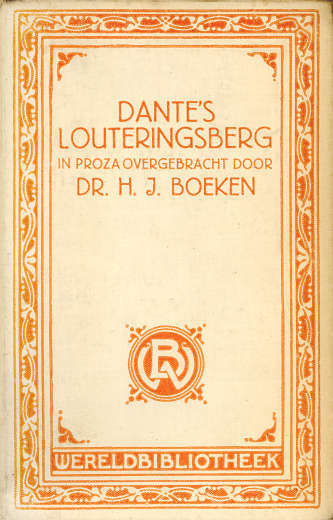 Dante's Louteringsberg / in proza overgebracht
by Dante Alighieri
Dante's Louteringsberg / in proza overgebracht
by Dante Alighieri
 Die Göttliche Komödie
by Dante Alighieri
Die Göttliche Komödie
by Dante Alighieri
 Divina Commedia di Dante: Inferno
by Dante Alighieri
Divina Commedia di Dante: Inferno
by Dante Alighieri
 Divina Commedia di Dante: Paradiso
by Dante Alighieri
Divina Commedia di Dante: Paradiso
by Dante Alighieri
 Divina Commedia di Dante: Purgatorio
by Dante Alighieri
Divina Commedia di Dante: Purgatorio
by Dante Alighieri
You May Also Like
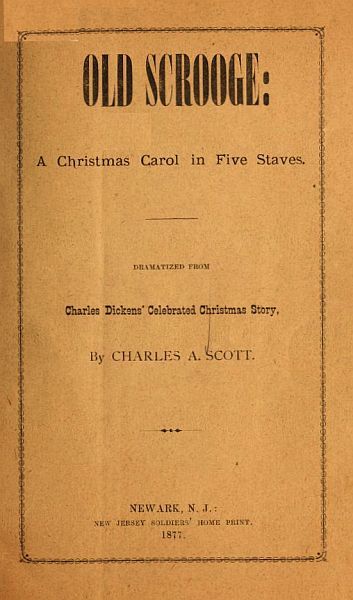 "Old Scrooge": A Christmas Carol in Five Staves. / Dramatized from Charles Dickens' Celebrated Christmas Story.
by Charles Augustus Scott
"Old Scrooge": A Christmas Carol in Five Staves. / Dramatized from Charles Dickens' Celebrated Christmas Story.
by Charles Augustus Scott
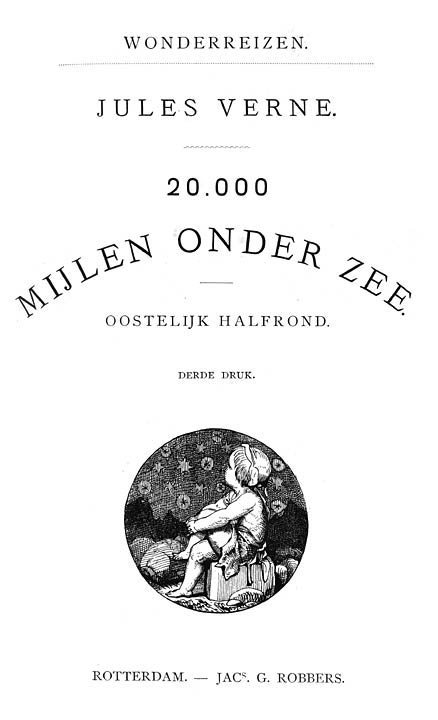 20.000 Mijlen onder Zee: Oostelijk Halfrond
by Jules Verne
20.000 Mijlen onder Zee: Oostelijk Halfrond
by Jules Verne
 20.000 Mijlen onder Zee: Westelijk Halfrond
by Jules Verne
20.000 Mijlen onder Zee: Westelijk Halfrond
by Jules Verne
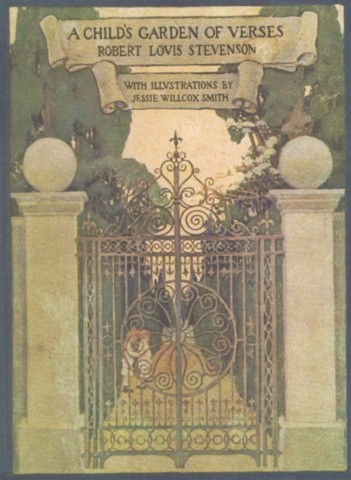 A Child's Garden of Verses
by Robert Louis Stevenson
A Child's Garden of Verses
by Robert Louis Stevenson
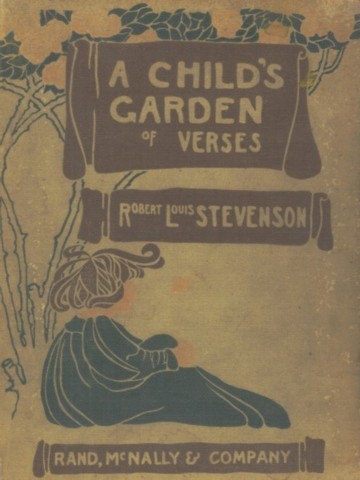 A Child's Garden of Verses
by Robert Louis Stevenson
A Child's Garden of Verses
by Robert Louis Stevenson
 A Child's Garden of Verses
by Robert Louis Stevenson
A Child's Garden of Verses
by Robert Louis Stevenson