
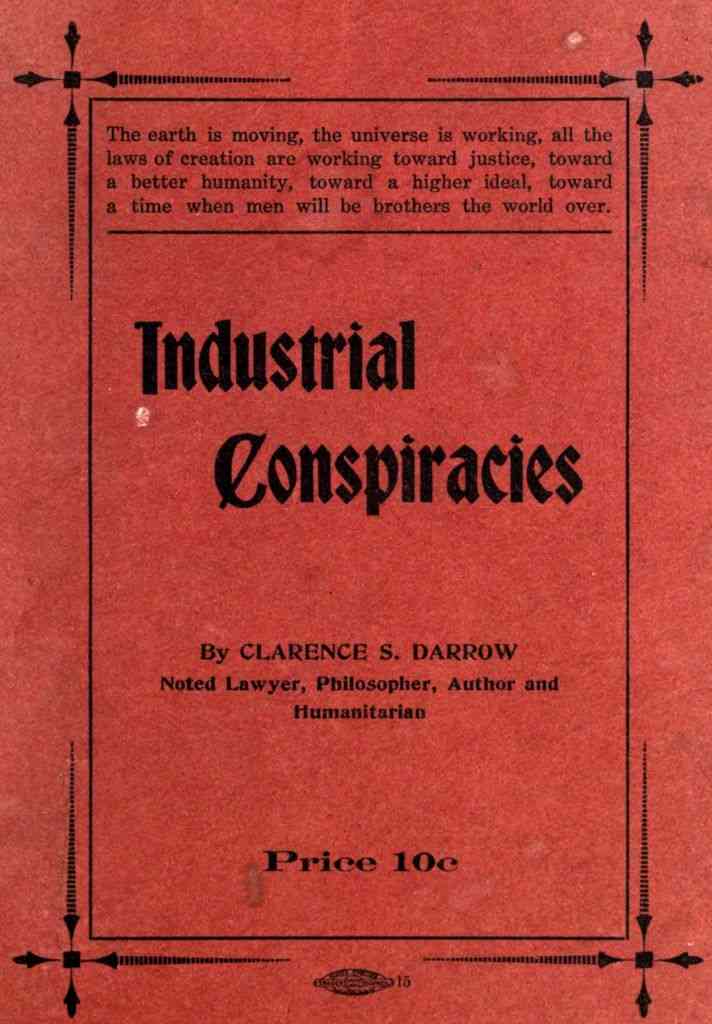
About This Book
The lecture argues that conspiracy laws have long been used to suppress collective labor action, tracing their roots to authoritative courts that treated coordination as criminal and explaining how judicial interpretation and injunctions have constrained unions while powerful industrial combinations expanded largely unchecked. The speaker contrasts earlier legal reforms that freed union activity with later judicial and legislative practices that left working people vulnerable, critiques the selective application of statutes meant to curb trusts, and urges a more equitable legal understanding that recognizes labor's legitimate efforts to secure better conditions.
About the Author

More Books by This Author
5 picks

You May Also Like
6 picks
 The Strange Story of Harper's Ferry, with Legends of the Surrounding Country
by Joseph Barry
The Strange Story of Harper's Ferry, with Legends of the Surrounding Country
by Joseph Barry
 Selections from Aunt Sammy's Radio Recipes and USDA Favorites
by Ruth Van Deman
Selections from Aunt Sammy's Radio Recipes and USDA Favorites
by Ruth Van Deman
 The History of the City of Fredericksburg, Virginia
by S. J. Quinn
The History of the City of Fredericksburg, Virginia
by S. J. Quinn
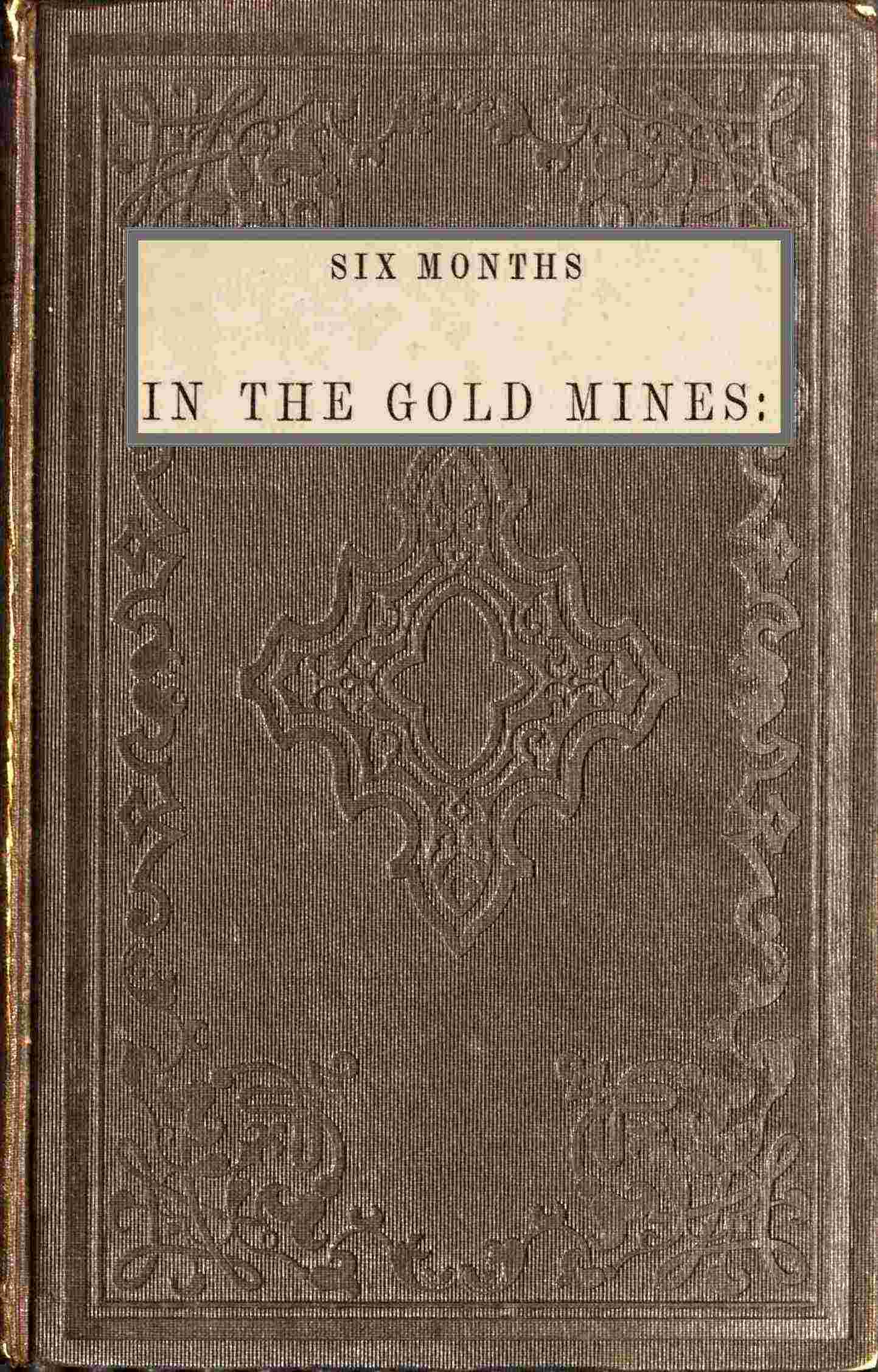 Six months in the gold mines
by E. Gould Buffum
Six months in the gold mines
by E. Gould Buffum
 A Straight Deal; Or, The Ancient Grudge
by Owen Wister
A Straight Deal; Or, The Ancient Grudge
by Owen Wister
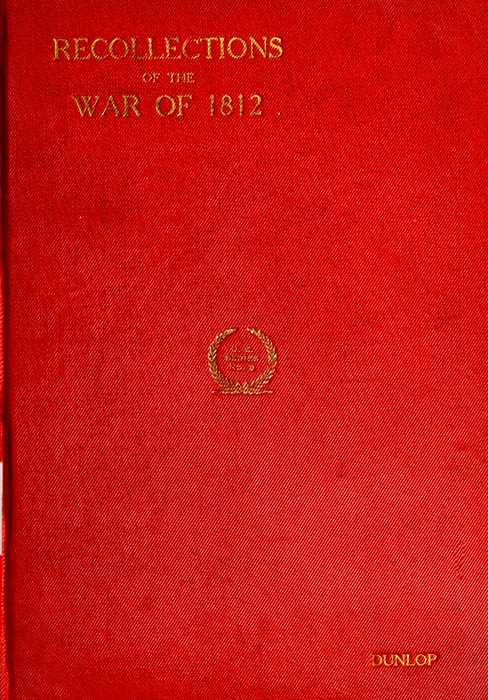 Recollections of the War of 1812
by William Dunlop
Recollections of the War of 1812
by William Dunlop