
How to Tell a Story, and Other Essays
The collection opens with a practical essay that distinguishes oral humorous storytelling from comic and witty forms and offers guidance on manner, timing, and the use of a subdued delivery to conceal the punch line. Subsequent pieces pair that theory with short humorous narratives and sketches that illustrate miscommunication, ironic reversals, and deadpan exaggeration. Together the essays and tales examine technique and effect, demonstrating how tone, pacing, indirection, and restraint shape American-style humor and the art of eliciting laughter.
About This Book
The collection opens with a practical essay that distinguishes oral humorous storytelling from comic and witty forms and offers guidance on manner, timing, and the use of a subdued delivery to conceal the punch line. Subsequent pieces pair that theory with short humorous narratives and sketches that illustrate miscommunication, ironic reversals, and deadpan exaggeration. Together the essays and tales examine technique and effect, demonstrating how tone, pacing, indirection, and restraint shape American-style humor and the art of eliciting laughter.
About the Author
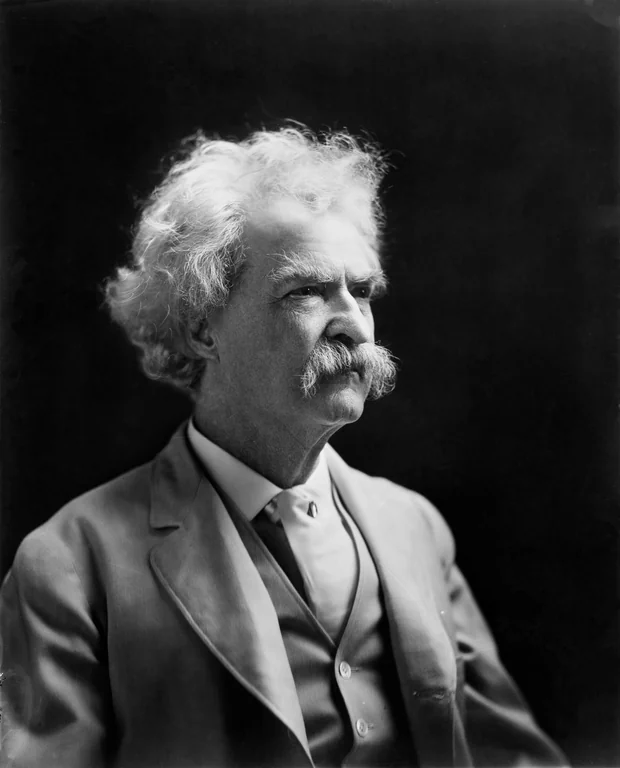
More Books by This Author
 1601: Conversation as it was by the Social Fireside in the Time of the Tudors
by Mark Twain
1601: Conversation as it was by the Social Fireside in the Time of the Tudors
by Mark Twain
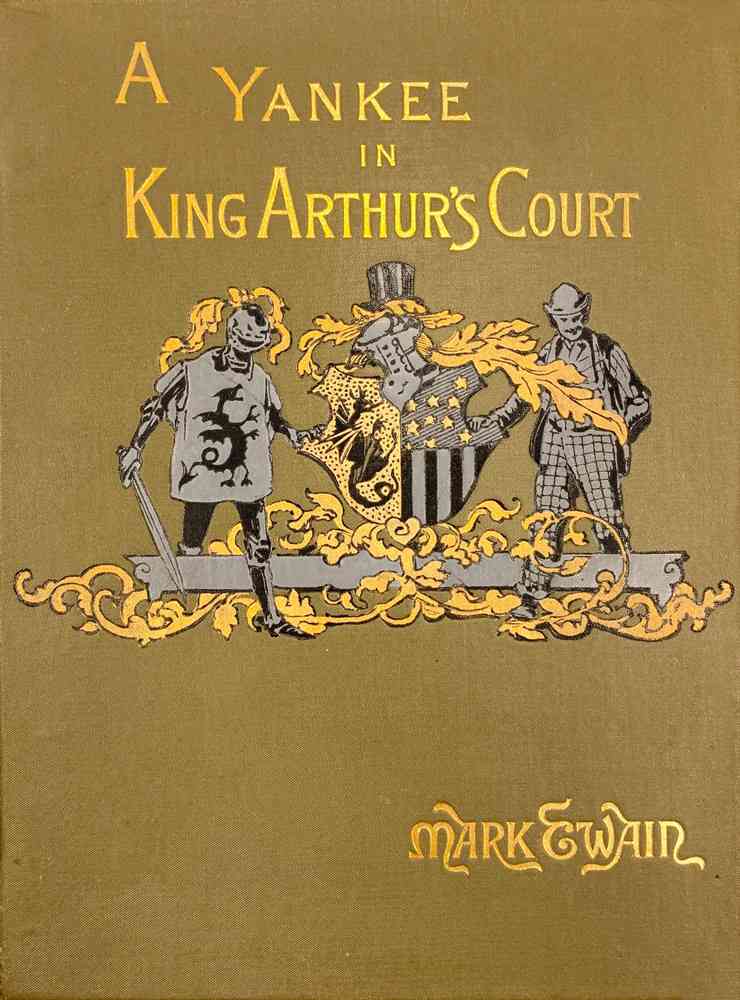 A Connecticut Yankee in King Arthur's Court
by Mark Twain
A Connecticut Yankee in King Arthur's Court
by Mark Twain
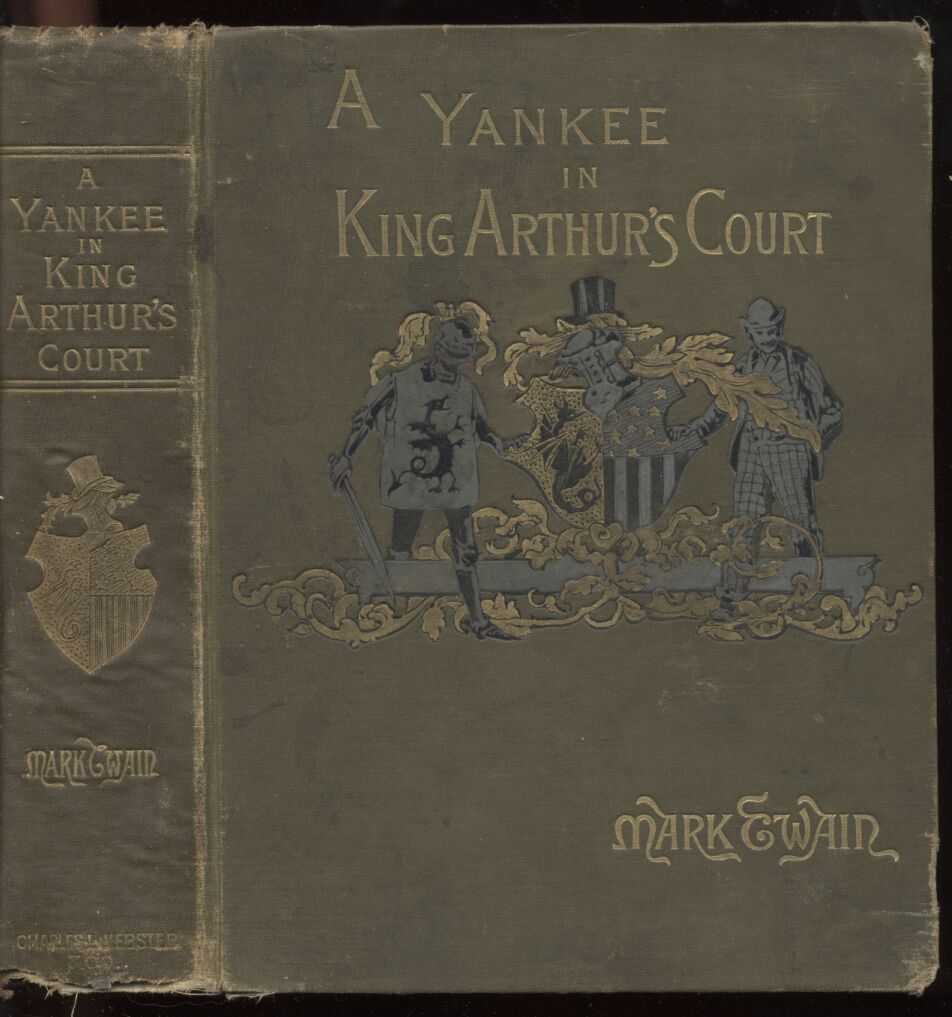 A Connecticut Yankee in King Arthur's Court, Part 1.
by Mark Twain
A Connecticut Yankee in King Arthur's Court, Part 1.
by Mark Twain
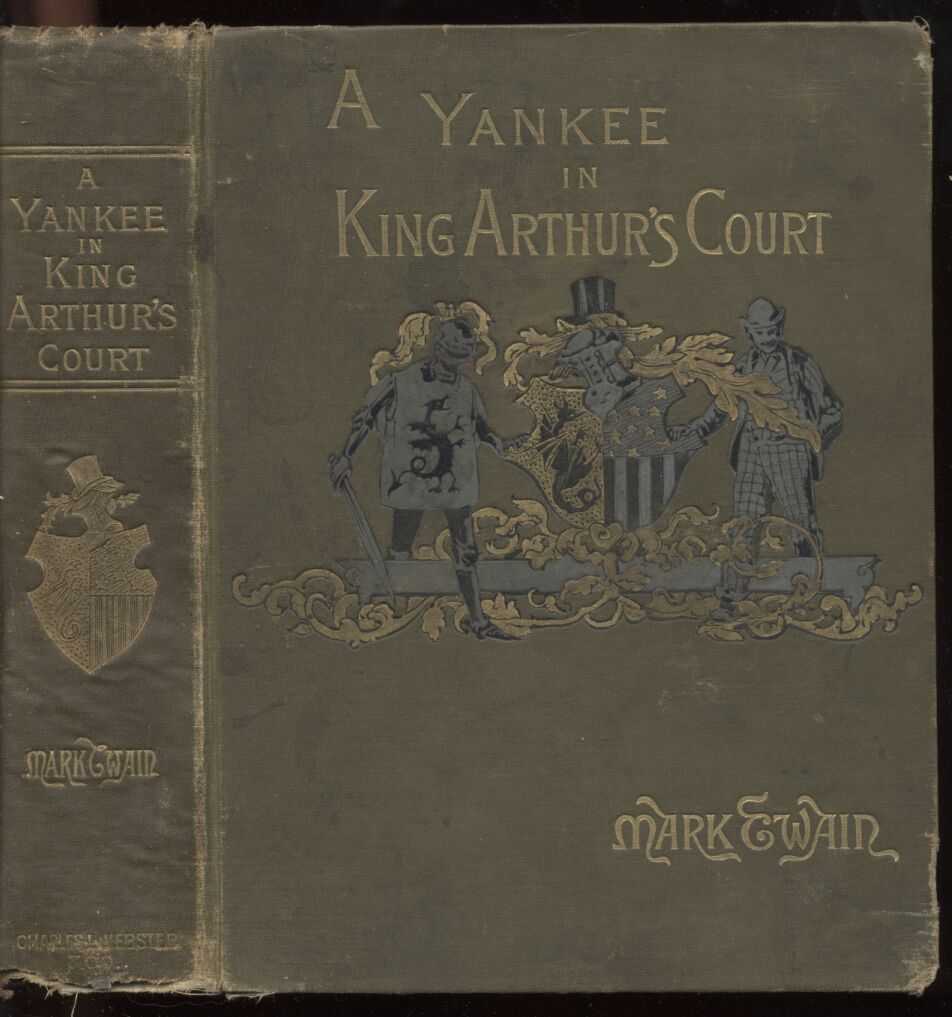 A Connecticut Yankee in King Arthur's Court, Part 2.
by Mark Twain
A Connecticut Yankee in King Arthur's Court, Part 2.
by Mark Twain
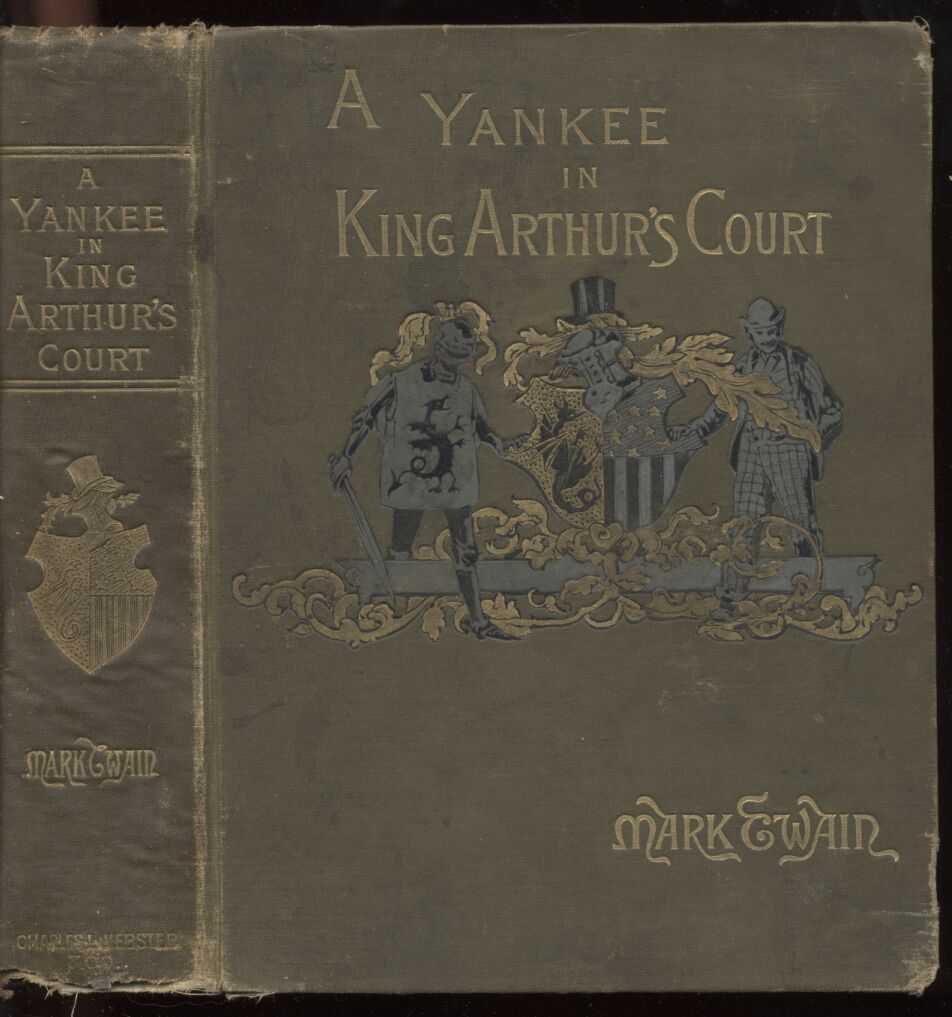 A Connecticut Yankee in King Arthur's Court, Part 3.
by Mark Twain
A Connecticut Yankee in King Arthur's Court, Part 3.
by Mark Twain
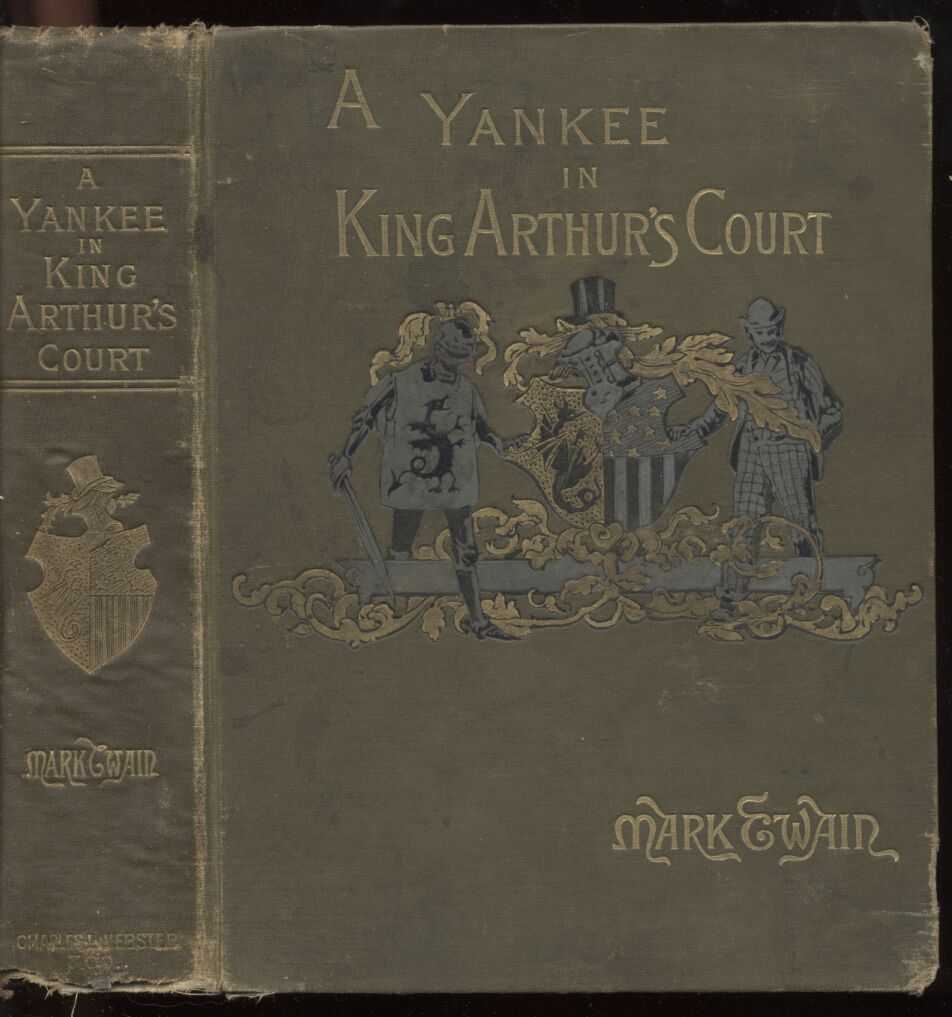 A Connecticut Yankee in King Arthur's Court, Part 4.
by Mark Twain
A Connecticut Yankee in King Arthur's Court, Part 4.
by Mark Twain
You May Also Like
 "All's not Gold that Glitters;" or, The Young Californian
by Alice B. Haven
"All's not Gold that Glitters;" or, The Young Californian
by Alice B. Haven
 "Bring Me His Ears"
by Clarence Edward Mulford
"Bring Me His Ears"
by Clarence Edward Mulford
 "Browne's Folly" / (From: "The Doliver Romance and Other Pieces: Tales and Sketches")
by Nathaniel Hawthorne
"Browne's Folly" / (From: "The Doliver Romance and Other Pieces: Tales and Sketches")
by Nathaniel Hawthorne
 "Forward, March": A Tale of the Spanish-American War
by Kirk Munroe
"Forward, March": A Tale of the Spanish-American War
by Kirk Munroe
 "Gentlemen prefer blondes"
by Anita Loos
"Gentlemen prefer blondes"
by Anita Loos
 "George Washington's" Last Duel / 1891
by Thomas Nelson Page
"George Washington's" Last Duel / 1891
by Thomas Nelson Page