
Historia de las Indias (vol. 4 de 5)
A detailed chronicle of early colonial expeditions across Caribbean islands and adjacent mainland, documenting encounters with indigenous communities, widespread violence, forced labor, and resulting depopulation. It recounts rivalries and administrative disputes among colonial leaders, describes missionary and relief efforts, and follows the author's journeys and legal petitions made in the metropole to seek protections for native peoples. Episodic reports, official acts, and moral commentary combine to argue for humanitarian and legal reform while recording the social and political consequences of conquest.
About This Book
A detailed chronicle of early colonial expeditions across Caribbean islands and adjacent mainland, documenting encounters with indigenous communities, widespread violence, forced labor, and resulting depopulation. It recounts rivalries and administrative disputes among colonial leaders, describes missionary and relief efforts, and follows the author's journeys and legal petitions made in the metropole to seek protections for native peoples. Episodic reports, official acts, and moral commentary combine to argue for humanitarian and legal reform while recording the social and political consequences of conquest.
About the Author

More Books by This Author
 A Brief Account of the Destruction of the Indies / Or, a faithful NARRATIVE OF THE Horrid and Unexampled Massacres, Butcheries, and all manner of Cruelties, that Hell and Malice could invent, committed by the Popish Spanish Party on the inhabitants of West-India, TOGETHER With the Devastations of several Kingdoms in America by Fire and Sword, for the space of Forty and Two Years, from the time of its first Discovery by them.
by Bartolomé de las Casas
A Brief Account of the Destruction of the Indies / Or, a faithful NARRATIVE OF THE Horrid and Unexampled Massacres, Butcheries, and all manner of Cruelties, that Hell and Malice could invent, committed by the Popish Spanish Party on the inhabitants of West-India, TOGETHER With the Devastations of several Kingdoms in America by Fire and Sword, for the space of Forty and Two Years, from the time of its first Discovery by them.
by Bartolomé de las Casas
 Historia de las Indias (vol. 1 de 5)
by Bartolomé de las Casas
Historia de las Indias (vol. 1 de 5)
by Bartolomé de las Casas
 Historia de las Indias (vol. 2 de 5)
by Bartolomé de las Casas
Historia de las Indias (vol. 2 de 5)
by Bartolomé de las Casas
 Historia de las Indias (vol. 3 de 5)
by Bartolomé de las Casas
Historia de las Indias (vol. 3 de 5)
by Bartolomé de las Casas
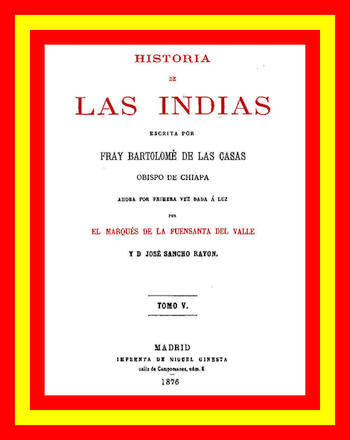 Historia de las Indias (vol. 5 de 5)
by Bartolomé de las Casas
Historia de las Indias (vol. 5 de 5)
by Bartolomé de las Casas
You May Also Like
 "'Tis Sixty Years Since" / Address of Charles Francis Adams; Founders' Day, January 16, 1913
by Charles Francis Adams
"'Tis Sixty Years Since" / Address of Charles Francis Adams; Founders' Day, January 16, 1913
by Charles Francis Adams
 "1683-1920" / The Fourteen Points and What Became of Them—Foreign Propaganda in the Public Schools—Rewriting the History of the United States—The Espionage Act and How It Worked—"Illegal and Indefensible Blockade" of the Central Powers—1,000,000 Victims of Starvation—Our Debt to France and to Germany—The War Vote in Congress—Truth About the Belgian Atrocities—Our Treaty with Germany and How Observed—The Alien Property Custodianship—Secret Will of Cecil Rhodes—Racial Strains in American Life—Germantown Settlement of 1683 and a Thousand Other Topics
by Frederick Franklin Schrader
"1683-1920" / The Fourteen Points and What Became of Them—Foreign Propaganda in the Public Schools—Rewriting the History of the United States—The Espionage Act and How It Worked—"Illegal and Indefensible Blockade" of the Central Powers—1,000,000 Victims of Starvation—Our Debt to France and to Germany—The War Vote in Congress—Truth About the Belgian Atrocities—Our Treaty with Germany and How Observed—The Alien Property Custodianship—Secret Will of Cecil Rhodes—Racial Strains in American Life—Germantown Settlement of 1683 and a Thousand Other Topics
by Frederick Franklin Schrader
 "America for Americans!" / The Typical American, Thanksgiving Sermon
by John Philip Newman
"America for Americans!" / The Typical American, Thanksgiving Sermon
by John Philip Newman
 "Billy" Sunday, the Man and His Message / With his own words which have won thousands for Christ
by William T. Ellis
"Billy" Sunday, the Man and His Message / With his own words which have won thousands for Christ
by William T. Ellis
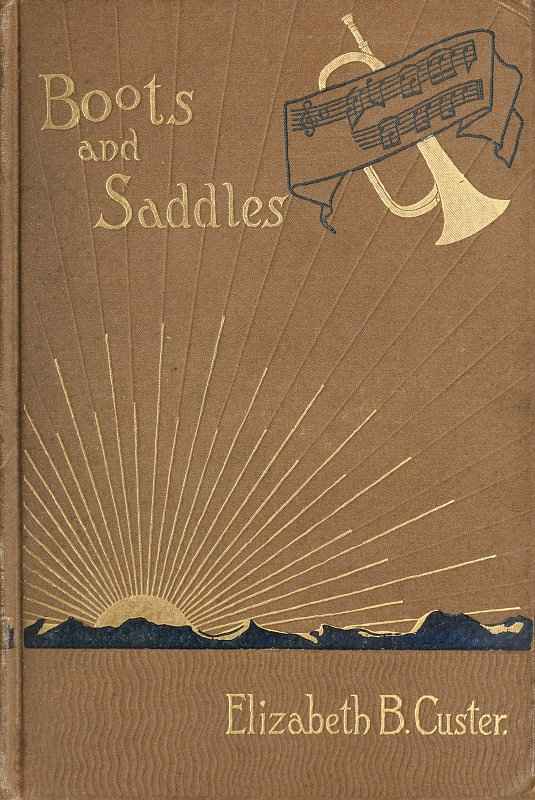 "Boots and Saddles"; Or, Life in Dakota with General Custer
by Elizabeth Bacon Custer
"Boots and Saddles"; Or, Life in Dakota with General Custer
by Elizabeth Bacon Custer
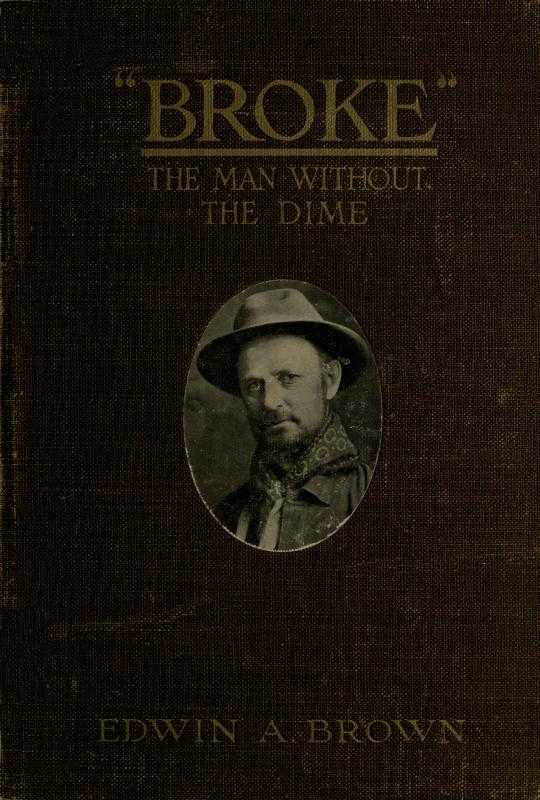 "Broke," The Man Without the Dime
by Edwin A. Brown
"Broke," The Man Without the Dime
by Edwin A. Brown