
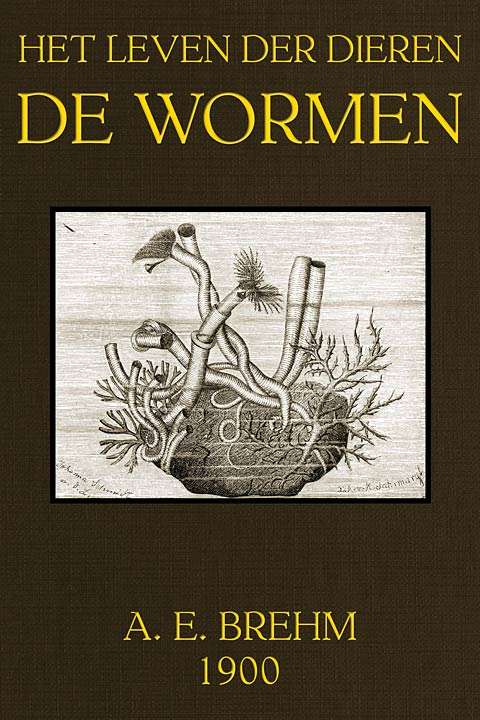
About This Book
The chapter surveys the diverse animal group traditionally called worms, noting how classification lines have shifted and focusing on the core classes of annelids, roundworms, and flatworms. It outlines external traits such as bilateral symmetry, soft skin often bearing cilia, a skin-muscle sac, and varied body shapes, and explains locomotion by muscular waves, bristles, or suckers. Internal organization ranges from forms without a gut or body cavity to those with a complete alimentary canal and true coelom; nervous systems range from a brain with a ventral nerve cord to simple longitudinal nerves. Circulatory, respiratory and reproductive systems vary widely with lifestyle.
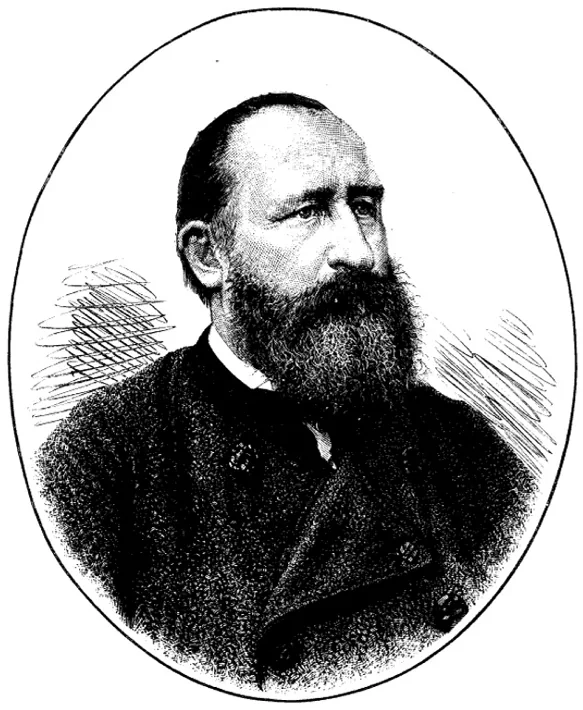
About the Author
More Books by This Author
6 picks
 From North Pole to Equator: Studies of Wild Life and Scenes in Many Lands
by Alfred Edmund Brehm
From North Pole to Equator: Studies of Wild Life and Scenes in Many Lands
by Alfred Edmund Brehm
 Het Leven der Dieren, Deel 3, Hoofdstuk 04: De Insecten
by Alfred Edmund Brehm
Het Leven der Dieren, Deel 3, Hoofdstuk 04: De Insecten
by Alfred Edmund Brehm
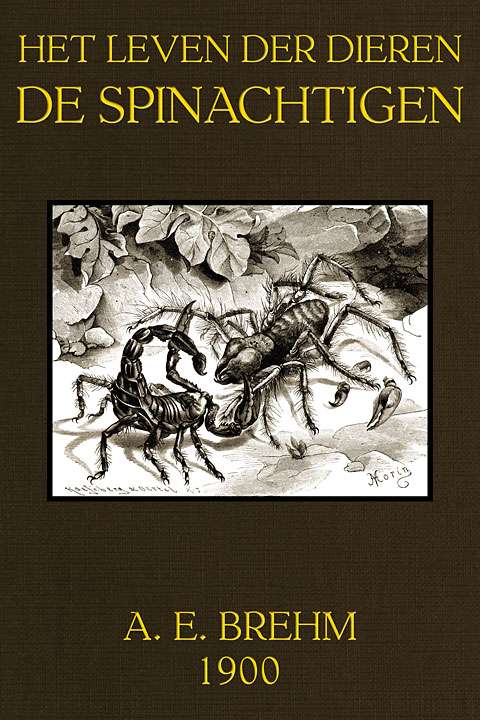 Het Leven der Dieren, Deel 3, Hoofdstuk 5: De Spinachtigen
by Alfred Edmund Brehm
Het Leven der Dieren, Deel 3, Hoofdstuk 5: De Spinachtigen
by Alfred Edmund Brehm
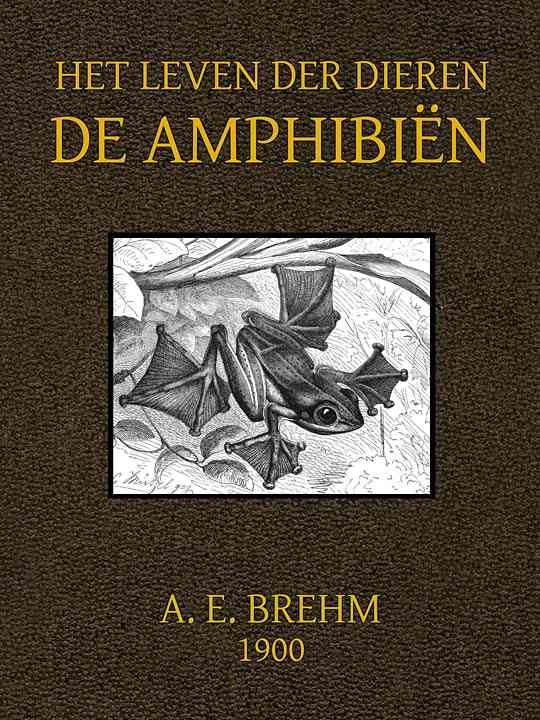 Het Leven der Dieren. Deel 3, Hoofdstuk 5: De Amphibiën
by Alfred Edmund Brehm
Het Leven der Dieren. Deel 3, Hoofdstuk 5: De Amphibiën
by Alfred Edmund Brehm
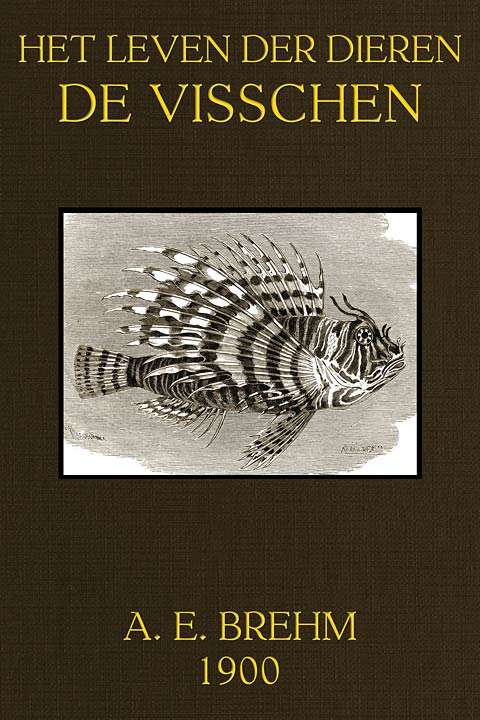 Het Leven der Dieren. Deel 3. Afdeling 2. De Visschen
by Alfred Edmund Brehm
Het Leven der Dieren. Deel 3. Afdeling 2. De Visschen
by Alfred Edmund Brehm
 Het Leven der Dieren. Derde Deel, Hoofdstuk 1 tot 4, De Kruipende Dieren
by Alfred Edmund Brehm
Het Leven der Dieren. Derde Deel, Hoofdstuk 1 tot 4, De Kruipende Dieren
by Alfred Edmund Brehm
You May Also Like
6 picks
 Two New Moles (Genus Scalopus) from Mexico and Texas
by Rollin H. Baker
Two New Moles (Genus Scalopus) from Mexico and Texas
by Rollin H. Baker
 The Wonders of Life: A Popular Study of Biological Philosophy
by Ernst Haeckel
The Wonders of Life: A Popular Study of Biological Philosophy
by Ernst Haeckel
 Theory and Practice, Applied to the Cultivation of the Cucumber in the Winter Season / To Which Is Added a Chapter on Melons
by Thomas Moore
Theory and Practice, Applied to the Cultivation of the Cucumber in the Winter Season / To Which Is Added a Chapter on Melons
by Thomas Moore
 Field Mice as Farm and Orchard Pests
by David E. Lantz
Field Mice as Farm and Orchard Pests
by David E. Lantz
 Outlines of Dairy Bacteriology, 8th edition / A Concise Manual for the Use of Students in Dairying
by H. L. Russell
Outlines of Dairy Bacteriology, 8th edition / A Concise Manual for the Use of Students in Dairying
by H. L. Russell
 Some Common Birds Useful to the Farmer (1915 edition)
by F. E. L. Beal
Some Common Birds Useful to the Farmer (1915 edition)
by F. E. L. Beal