

About This Book
The author assembles selected public speeches and prefatory essays explaining why only certain addresses are published, reflecting on decades of public life and the duties of a parliamentarian. The collection includes parliamentary debates, courtroom and public assembly orations, and meditations on rhetorical craft; the author defends careful selection by literary and political criteria, critiques foreign influences on native political language, and argues for preserving the language’s clarity and national thought while acknowledging the variable public impact and artistic merits of individual speeches.
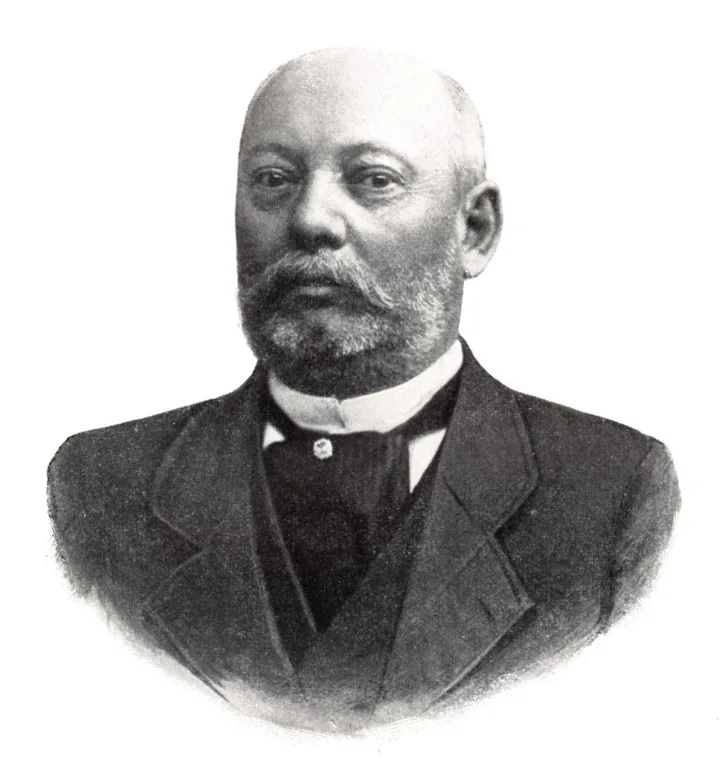
About the Author
More Books by This Author
6 picks
You May Also Like
6 picks
 Quotes and Images From Memoirs of Count Grammont
by Count Anthony Hamilton
Quotes and Images From Memoirs of Count Grammont
by Count Anthony Hamilton
 Miscellanies
by Oscar Wilde
Miscellanies
by Oscar Wilde
 To arms for liberty: A pageant of the war for schools and societies
by Catherine T. Bryce
To arms for liberty: A pageant of the war for schools and societies
by Catherine T. Bryce
 The Rise of Rail-Power in War and Conquest, 1833-1914
by Edwin A. Pratt
The Rise of Rail-Power in War and Conquest, 1833-1914
by Edwin A. Pratt
 Antología portorriqueña: Prosa y verso
by Manuel Fernández Juncos
Antología portorriqueña: Prosa y verso
by Manuel Fernández Juncos
 Commentarii de Bello Gallico, Libri V-VIII
by Julius Caesar
Commentarii de Bello Gallico, Libri V-VIII
by Julius Caesar