
About This Book
The work seeks a metaphysical foundation for morality by deriving duties from pure practical reason rather than from experience or inclination. It claims that a good will is the only unconditional good and that moral worth depends on acting from duty, not from desire. The argument advances the categorical imperative as the supreme principle, requiring that one’s maxims be capable of universal law and that rational beings be treated as ends in themselves. It contrasts autonomy of the will, which grounds genuine obligation, with heteronomy, and treats freedom as a necessary presupposition while outlining the limits and implications of practical reason for moral agency.
About the Author

More Books by This Author
6 picks
 Beantwortung der Frage: Was ist Aufklärung?
by Immanuel Kant
Beantwortung der Frage: Was ist Aufklärung?
by Immanuel Kant
 Beobachtungen über das Gefühl des Schönen und Erhabenen
by Immanuel Kant
Beobachtungen über das Gefühl des Schönen und Erhabenen
by Immanuel Kant
 Die Religion innerhalb der Grenzen der bloßen Vernunft / Text der Ausgabe 1793, mit Beifügung der Abweichungen der Ausgabe 1794
by Immanuel Kant
Die Religion innerhalb der Grenzen der bloßen Vernunft / Text der Ausgabe 1793, mit Beifügung der Abweichungen der Ausgabe 1794
by Immanuel Kant
 Ikuiseen rauhaan: Valtio-oikeudellinen tutkielma
by Immanuel Kant
Ikuiseen rauhaan: Valtio-oikeudellinen tutkielma
by Immanuel Kant
 Index of the Project Gutenberg Works of Immanuel Kant
by Immanuel Kant
Index of the Project Gutenberg Works of Immanuel Kant
by Immanuel Kant
 Kant prolegomenái minden leendő metafizikához
by Immanuel Kant
Kant prolegomenái minden leendő metafizikához
by Immanuel Kant
You May Also Like
6 picks
 What All The World's A-Seeking / The Vital Law of True Life, True Greatness Power and Happiness
by Ralph Waldo Trine
What All The World's A-Seeking / The Vital Law of True Life, True Greatness Power and Happiness
by Ralph Waldo Trine
 Dissertatiunculae Quaedam Critico-Theologicae
by John Henry Newman
Dissertatiunculae Quaedam Critico-Theologicae
by John Henry Newman
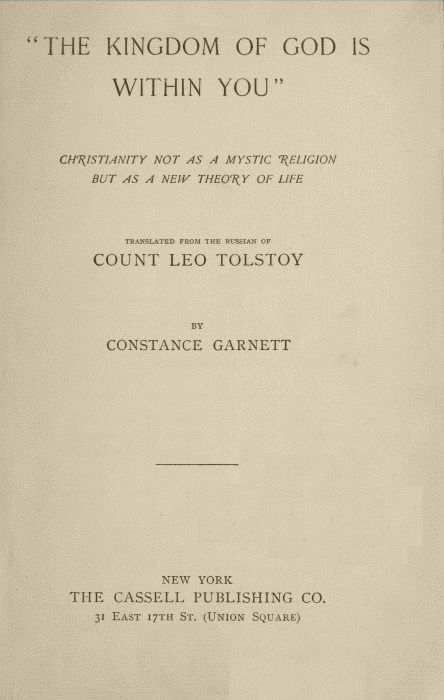 "The Kingdom of God Is Within You" / Christianity Not as a Mystic Religion but as a New Theory of Life
by graf Leo Tolstoy
"The Kingdom of God Is Within You" / Christianity Not as a Mystic Religion but as a New Theory of Life
by graf Leo Tolstoy
 Jenseits von Gut und Böse
by Friedrich Wilhelm Nietzsche
Jenseits von Gut und Böse
by Friedrich Wilhelm Nietzsche
 Astral Worship
by J. H. Hill
Astral Worship
by J. H. Hill
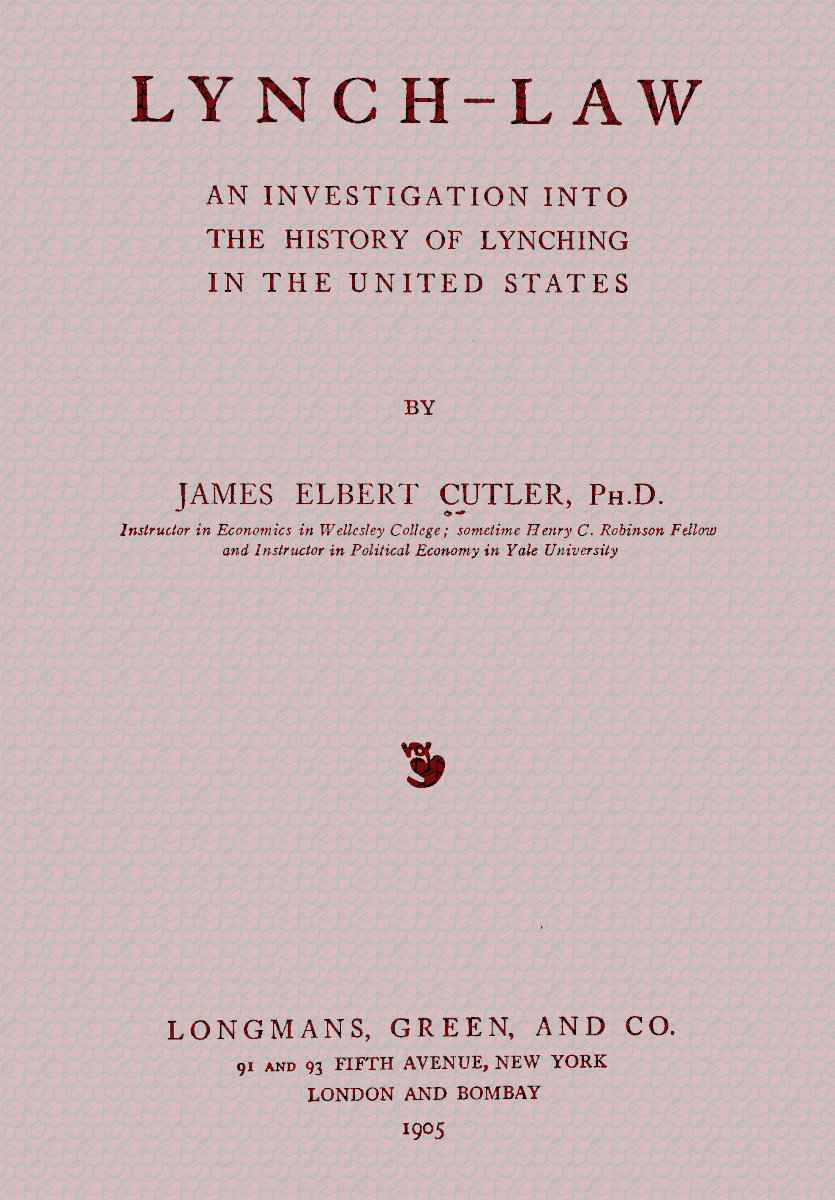 Lynch-law; an investigation into the history of lynching in the United States
by James Elbert Cutler
Lynch-law; an investigation into the history of lynching in the United States
by James Elbert Cutler