
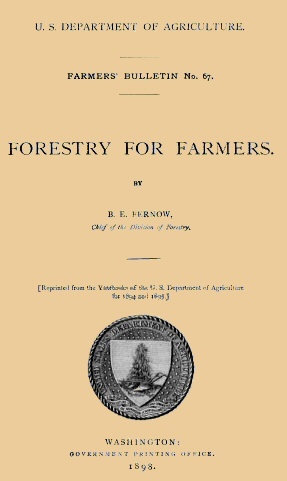
About This Book
A practical manual explains tree biology, planting methods, wood-lot management, and the relationship between forests and farms. It summarizes tree physiology — sources of carbon and water, role of foliage, soil and light conditions, growth in length and thickness, and reproduction — and offers guidance on species selection, planting techniques, and establishment. It covers improvement cuttings, coppicing, sizing openings, thinning practices, spacing, cultivation, and methods to reproduce and maintain a crop for timber quality and yield. The final section discusses how trees influence farm climate and hydrology, protect soil and crops, and supply fuel and materials, emphasizing principles tailored for small landowners.
About the Author

More Books by This Author
1 picks
You May Also Like
6 picks
 Cheating the Junk-Pile: The Purchase and Maintenance of Household Equipments
by Ethel R. Peyser
Cheating the Junk-Pile: The Purchase and Maintenance of Household Equipments
by Ethel R. Peyser
 Het Esperanto in Twintig Lessen
by A. Blok
Het Esperanto in Twintig Lessen
by A. Blok
 The new air world
by Willis L. Moore
The new air world
by Willis L. Moore
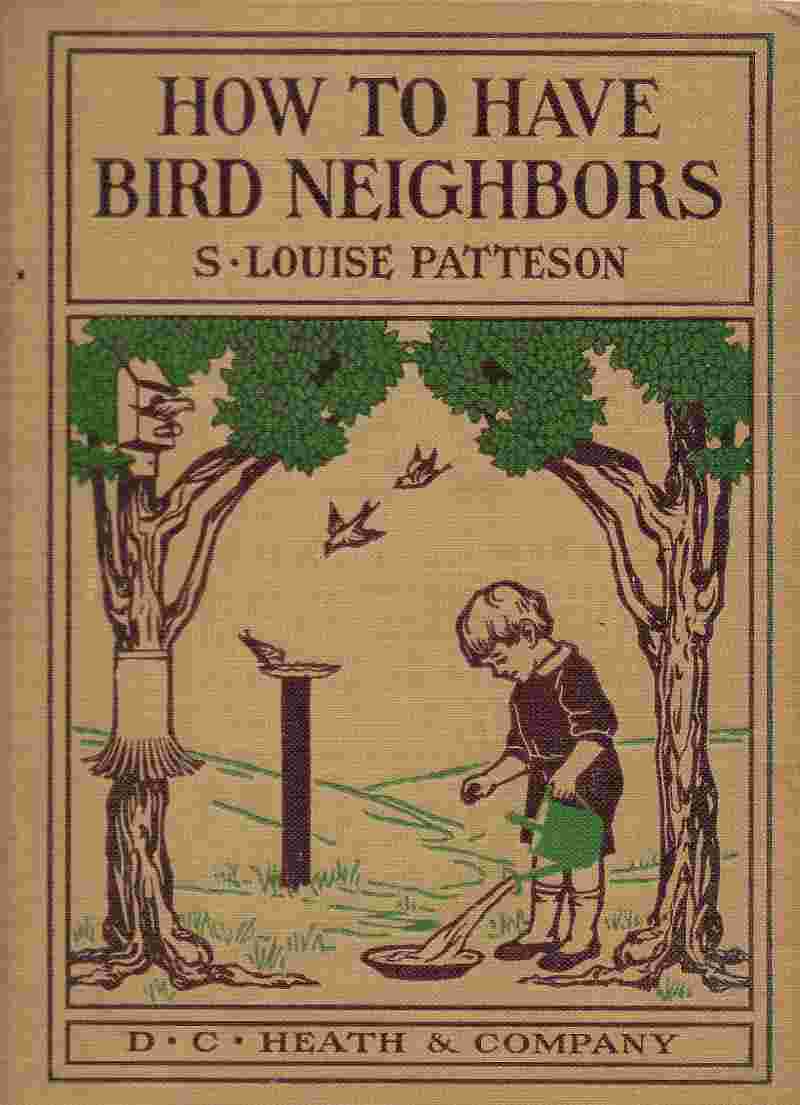 How To Have Bird Neighbors
by S. Louise Patteson
How To Have Bird Neighbors
by S. Louise Patteson
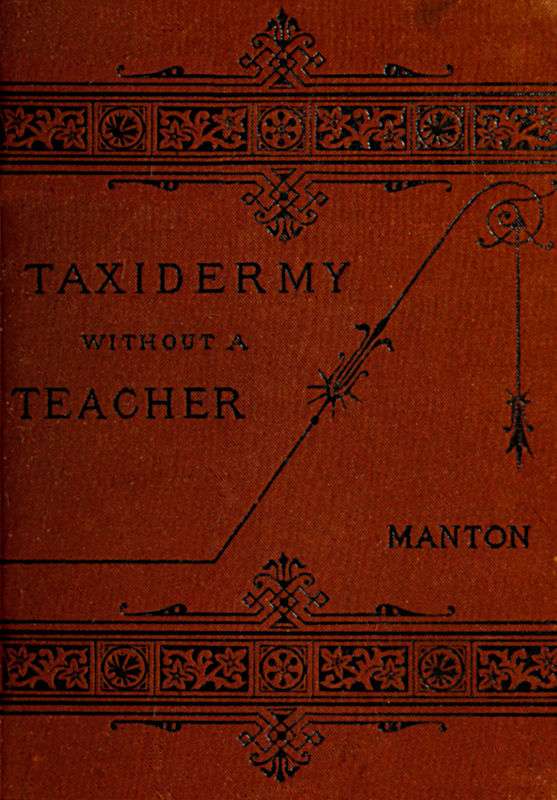 Taxidermy without a Teacher / Comprising a Complete Manual of Instruction for Preparing and Preserving Birds, Animals and Fishes
by Walter Porter Manton
Taxidermy without a Teacher / Comprising a Complete Manual of Instruction for Preparing and Preserving Birds, Animals and Fishes
by Walter Porter Manton
 Island Life; Or, The Phenomena and Causes of Insular Faunas and Floras
by Alfred Russel Wallace
Island Life; Or, The Phenomena and Causes of Insular Faunas and Floras
by Alfred Russel Wallace