
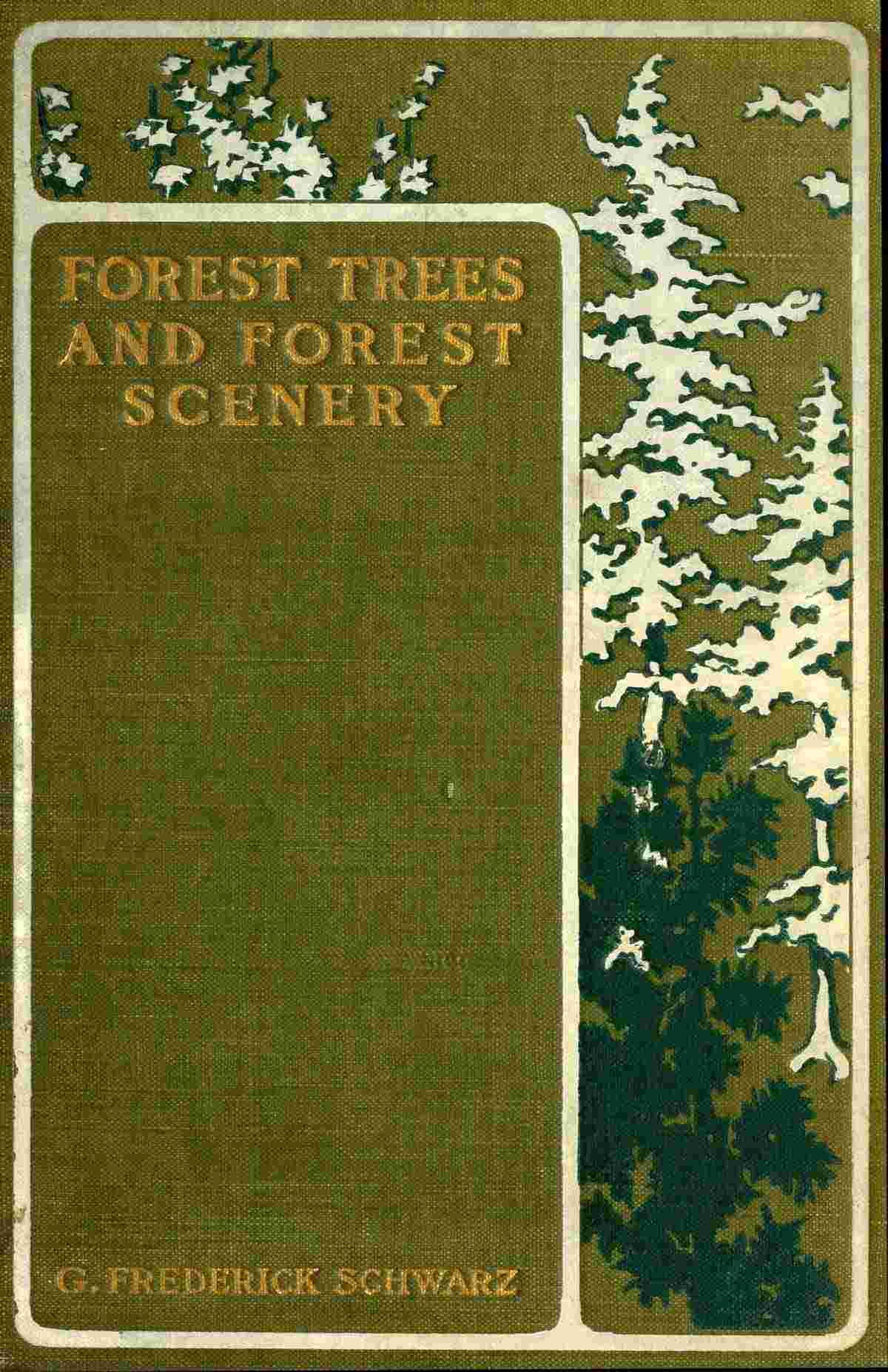
About This Book
An examination of the aesthetic sources in American woodland landscapes describes how tree forms, shrubs, rocks, mosses, air, and sound combine to produce forest beauty. The work surveys common and notable broadleaf and conifer species, sets out criteria for choosing trees valued for appearance and utility, and outlines geographic distribution and characteristic forest types. It considers how forestry practices change scenic appearance, contrasts natural stands with European artificial forests, and supplies practical observations and illustrations that guide appreciation of the forms, textures, and arrangements that create sylvan charm.
About the Author

You May Also Like
6 picks
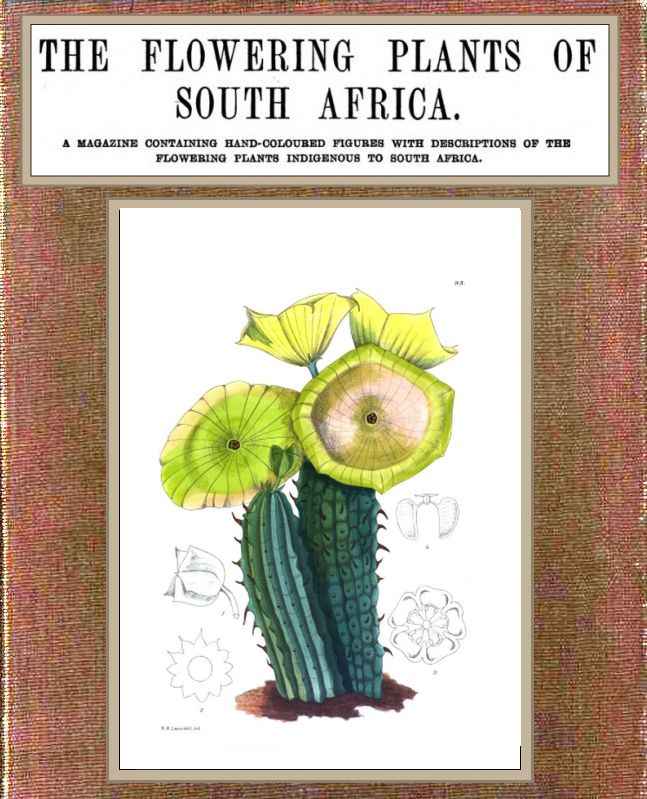 The flowering plants of South Africa; vol. 3
by I. B. Pole Evans
The flowering plants of South Africa; vol. 3
by I. B. Pole Evans
 Natuurfantazieën
by Geertruida Carelsen
Natuurfantazieën
by Geertruida Carelsen
 The winners in life's race
by Arabella B. Buckley
The winners in life's race
by Arabella B. Buckley
 The Development of the Feeling for Nature in the Middle Ages and Modern Times
by Alfred Biese
The Development of the Feeling for Nature in the Middle Ages and Modern Times
by Alfred Biese
 The Shakespeare Garden
by Esther Singleton
The Shakespeare Garden
by Esther Singleton
 Geographic Distribution and Taxonomy of the Chipmunks of Wyoming
by John A. White
Geographic Distribution and Taxonomy of the Chipmunks of Wyoming
by John A. White