
Fenimore Cooper's Literary Offences
A satirical critical essay argues that a well-known romantic novelist repeatedly violates the rules of literary art. It enumerates a set of requirements for effective storytelling—coherent plot progression, plausible character behavior, realistic dialogue, appropriate detail, and clear style—and tallies the author's transgressions against them. The piece illustrates these faults with recurring stage devices and implausible narrative mechanics, showing how contrived tricks, awkward phrasing, and careless observation undermine otherwise serviceable invention and render striking situations absurd rather than convincing.
About This Book
A satirical critical essay argues that a well-known romantic novelist repeatedly violates the rules of literary art. It enumerates a set of requirements for effective storytelling—coherent plot progression, plausible character behavior, realistic dialogue, appropriate detail, and clear style—and tallies the author's transgressions against them. The piece illustrates these faults with recurring stage devices and implausible narrative mechanics, showing how contrived tricks, awkward phrasing, and careless observation undermine otherwise serviceable invention and render striking situations absurd rather than convincing.
About the Author
More Books by This Author
 1601: Conversation as it was by the Social Fireside in the Time of the Tudors
by Mark Twain
1601: Conversation as it was by the Social Fireside in the Time of the Tudors
by Mark Twain
 A Connecticut Yankee in King Arthur's Court
by Mark Twain
A Connecticut Yankee in King Arthur's Court
by Mark Twain
 A Connecticut Yankee in King Arthur's Court, Part 1.
by Mark Twain
A Connecticut Yankee in King Arthur's Court, Part 1.
by Mark Twain
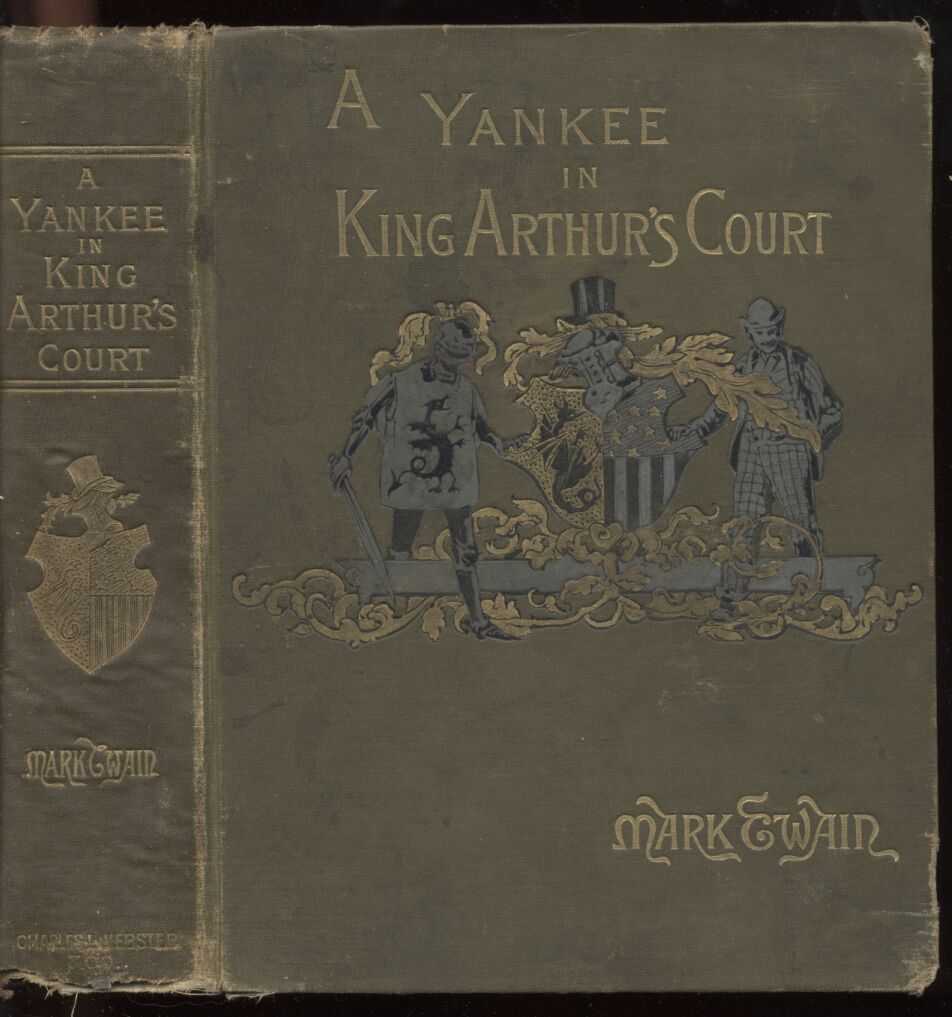 A Connecticut Yankee in King Arthur's Court, Part 2.
by Mark Twain
A Connecticut Yankee in King Arthur's Court, Part 2.
by Mark Twain
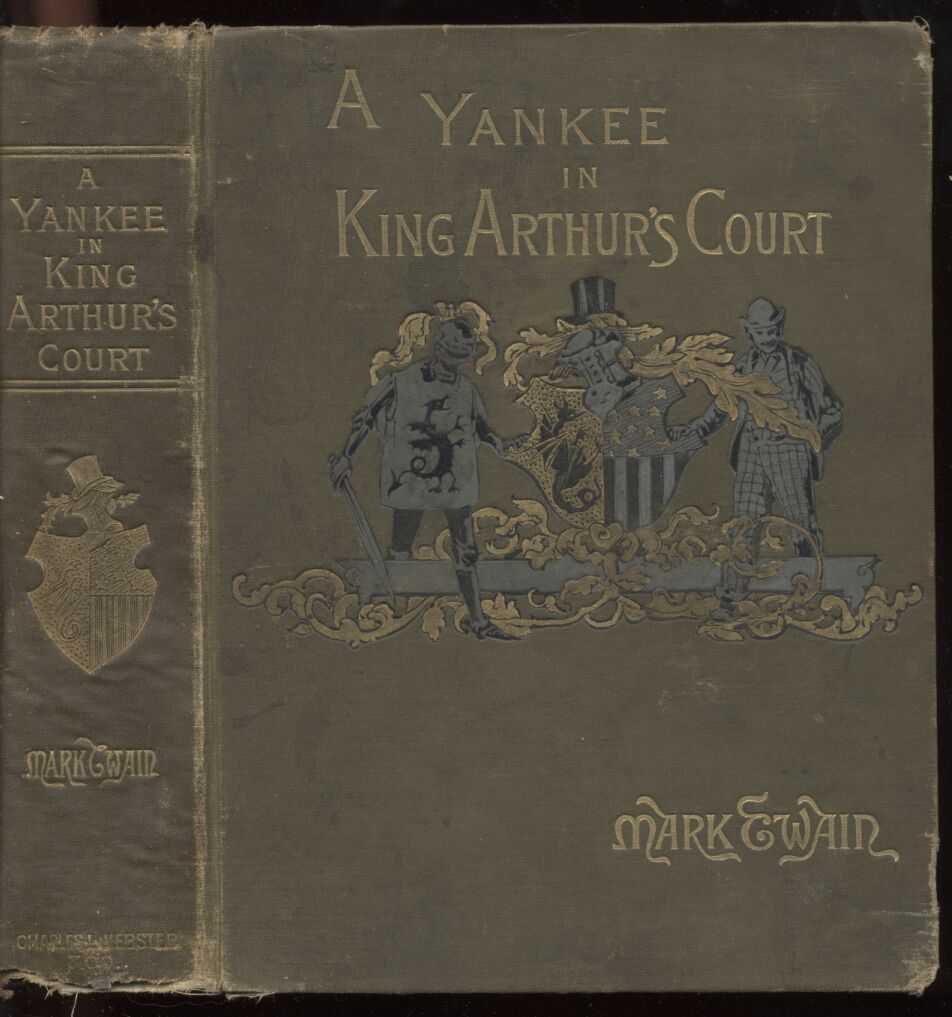 A Connecticut Yankee in King Arthur's Court, Part 3.
by Mark Twain
A Connecticut Yankee in King Arthur's Court, Part 3.
by Mark Twain
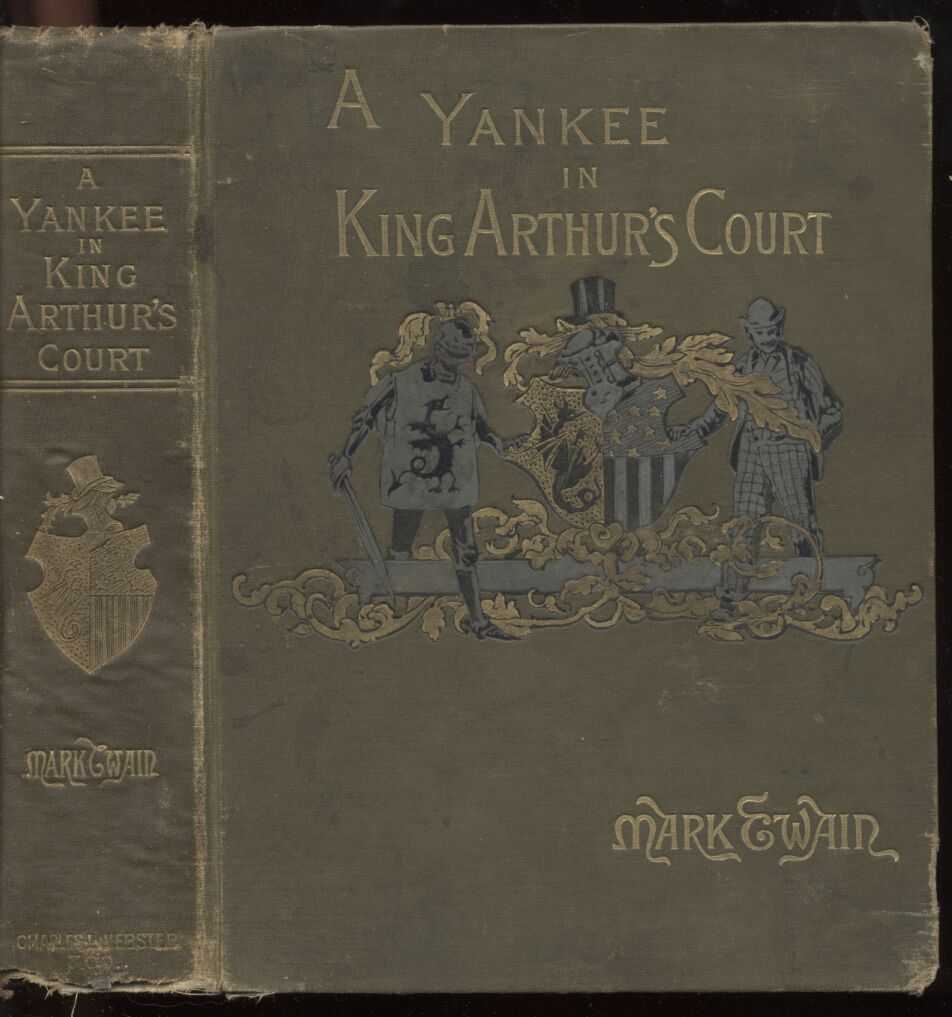 A Connecticut Yankee in King Arthur's Court, Part 4.
by Mark Twain
A Connecticut Yankee in King Arthur's Court, Part 4.
by Mark Twain
You May Also Like
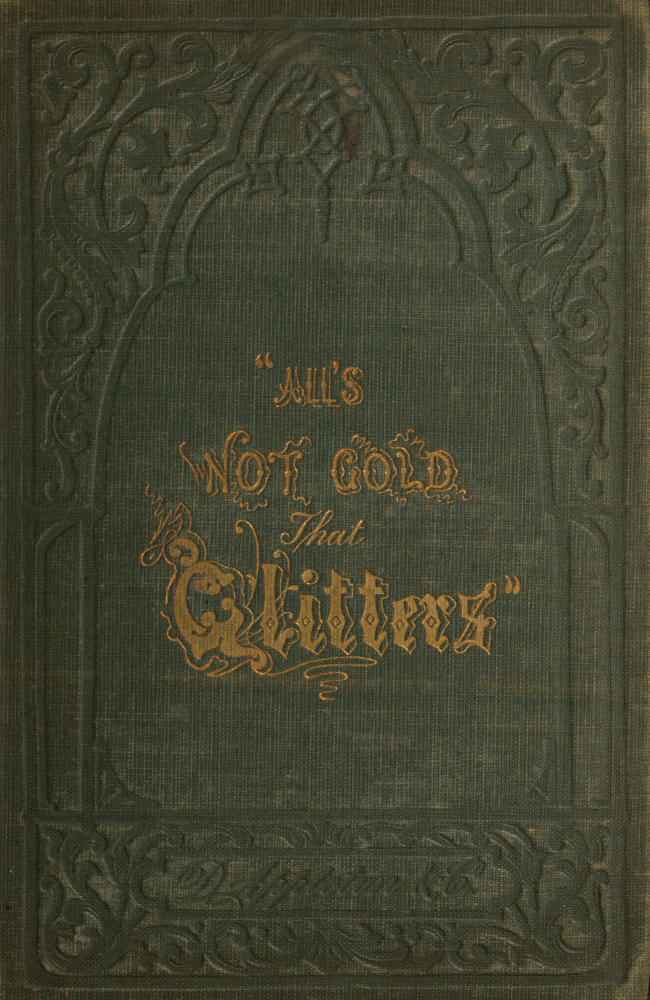 "All's not Gold that Glitters;" or, The Young Californian
by Alice B. Haven
"All's not Gold that Glitters;" or, The Young Californian
by Alice B. Haven
 "Bring Me His Ears"
by Clarence Edward Mulford
"Bring Me His Ears"
by Clarence Edward Mulford
 "Browne's Folly" / (From: "The Doliver Romance and Other Pieces: Tales and Sketches")
by Nathaniel Hawthorne
"Browne's Folly" / (From: "The Doliver Romance and Other Pieces: Tales and Sketches")
by Nathaniel Hawthorne
 "Forward, March": A Tale of the Spanish-American War
by Kirk Munroe
"Forward, March": A Tale of the Spanish-American War
by Kirk Munroe
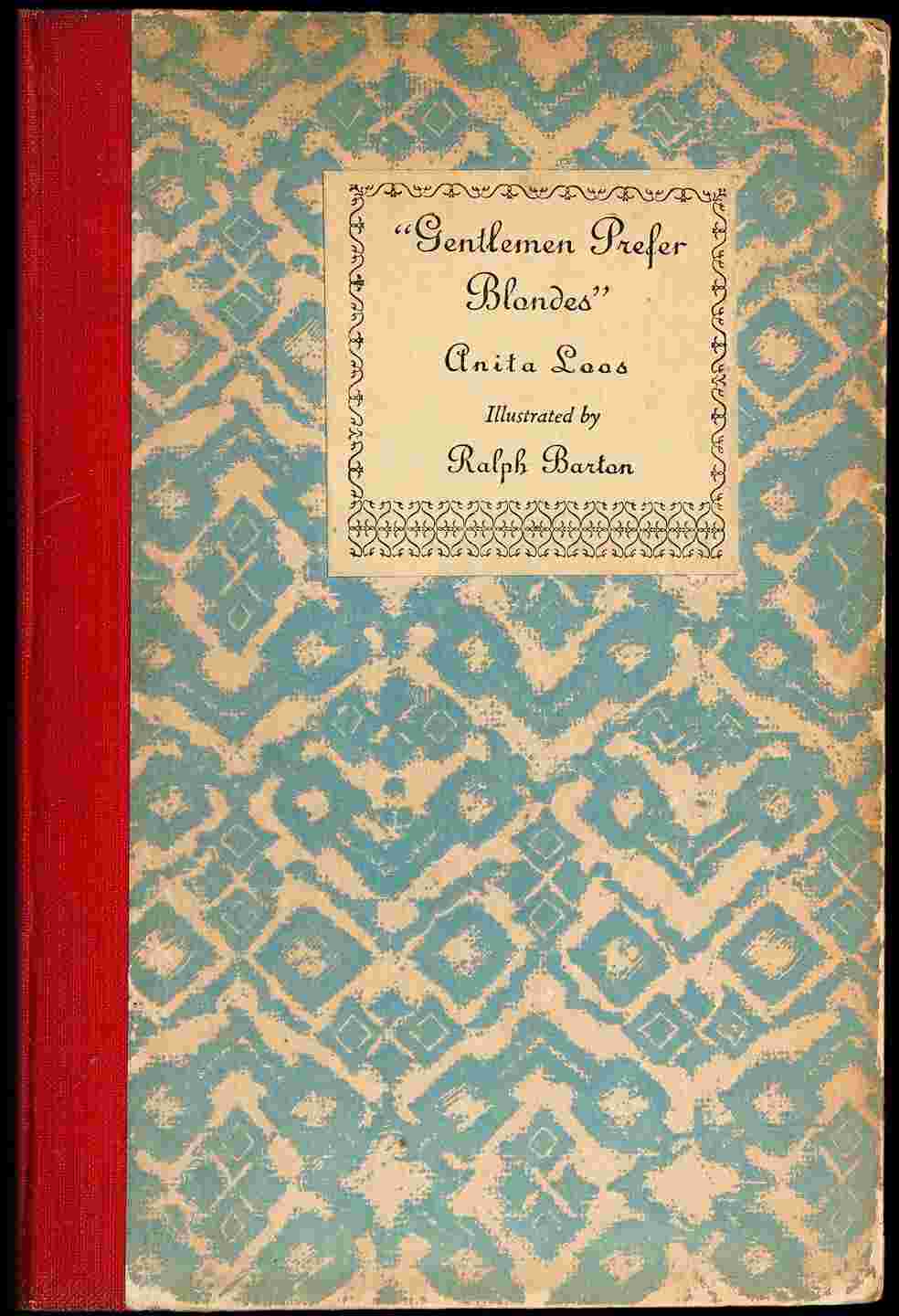 "Gentlemen prefer blondes"
by Anita Loos
"Gentlemen prefer blondes"
by Anita Loos
 "George Washington's" Last Duel / 1891
by Thomas Nelson Page
"George Washington's" Last Duel / 1891
by Thomas Nelson Page