
About This Book
A systematic psychological analysis treats constructive imagination as a common mental function, identifying intellectual, emotional, unconscious, organic, and unifying factors. It explains mechanisms such as analogy, personification, transformation, motor elements in imagery, and inspired states. It traces development from mythic origins to artistic, scientific, and practical invention and shows how needs and affective tendencies produce new combinations. The work is organized into analytical, genetic, and concrete sections that examine constituent processes, developmental pathways, and principal types of imaginative activity.
About the Author

More Books by This Author
2 picks
You May Also Like
6 picks
 Fasting Girls: Their Physiology and Pathology
by William A. Hammond
Fasting Girls: Their Physiology and Pathology
by William A. Hammond
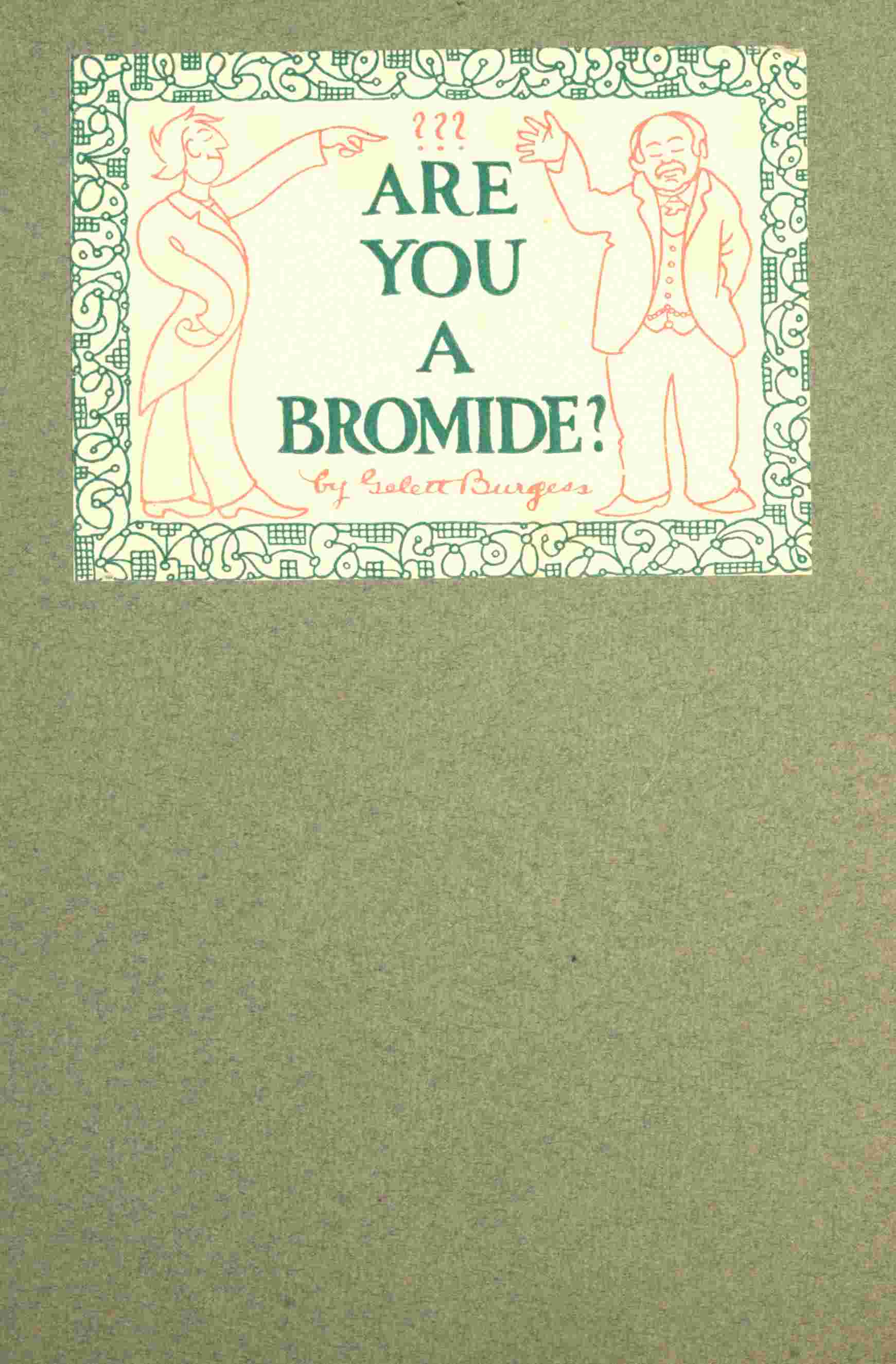 Are You a Bromide? / The Sulphitic Theory Expounded and Exemplified According to the Most Recent Researches into the Psychology of Boredom, Including Many Well-Known Bromidioms Now in Use
by Gelett Burgess
Are You a Bromide? / The Sulphitic Theory Expounded and Exemplified According to the Most Recent Researches into the Psychology of Boredom, Including Many Well-Known Bromidioms Now in Use
by Gelett Burgess
 A Study of Association in Insanity
by Grace Helen Kent
A Study of Association in Insanity
by Grace Helen Kent
 Psychology: an elementary text-book
by Hermann Ebbinghaus
Psychology: an elementary text-book
by Hermann Ebbinghaus
 A Treatise on the Incubus, or Night-Mare, Disturbed Sleep, Terrific Dreams and Nocturnal Visions
by John Augustine Waller
A Treatise on the Incubus, or Night-Mare, Disturbed Sleep, Terrific Dreams and Nocturnal Visions
by John Augustine Waller
 Human Nature and Conduct: An introduction to social psychology
by John Dewey
Human Nature and Conduct: An introduction to social psychology
by John Dewey