

Divine Comedy, Longfellow's Translation, Purgatory
A pilgrim, guided by a classical poet, ascends a mountain where souls undergo ordered purgation on terraces corresponding to specific vices—pride, envy, anger, sloth, avarice, gluttony, and lust—and gradually receive purification through symbolic sufferings, prayers, visions, and moral instruction. Along the way he meets repentant figures, engages in debates about love, poetry, and political corruption, experiences allegorical dreams, and witnesses ritual cleansings at sacred springs that restore memory and charity. The journey reaches a terrestrial paradise where the guide departs and a heavenly beloved returns, prompting confession, renewal of virtue, and the pilgrim’s readiness for the final ascent toward the divine.
About This Book
A pilgrim, guided by a classical poet, ascends a mountain where souls undergo ordered purgation on terraces corresponding to specific vices—pride, envy, anger, sloth, avarice, gluttony, and lust—and gradually receive purification through symbolic sufferings, prayers, visions, and moral instruction. Along the way he meets repentant figures, engages in debates about love, poetry, and political corruption, experiences allegorical dreams, and witnesses ritual cleansings at sacred springs that restore memory and charity. The journey reaches a terrestrial paradise where the guide departs and a heavenly beloved returns, prompting confession, renewal of virtue, and the pilgrim’s readiness for the final ascent toward the divine.
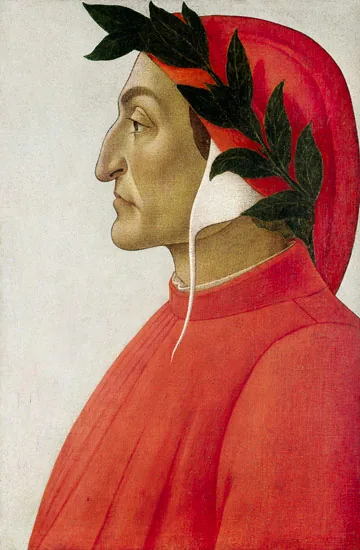
About the Author
More Books by This Author
 Dante's Hel / In proza overgebracht en met een inleiding voorzien
by Dante Alighieri
Dante's Hel / In proza overgebracht en met een inleiding voorzien
by Dante Alighieri
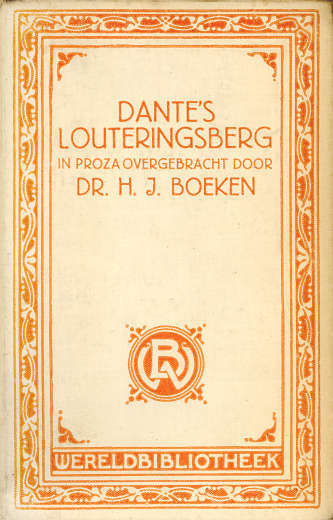 Dante's Louteringsberg / in proza overgebracht
by Dante Alighieri
Dante's Louteringsberg / in proza overgebracht
by Dante Alighieri
 Die Göttliche Komödie
by Dante Alighieri
Die Göttliche Komödie
by Dante Alighieri
 Divina Commedia di Dante: Inferno
by Dante Alighieri
Divina Commedia di Dante: Inferno
by Dante Alighieri
 Divina Commedia di Dante: Paradiso
by Dante Alighieri
Divina Commedia di Dante: Paradiso
by Dante Alighieri
 Divina Commedia di Dante: Purgatorio
by Dante Alighieri
Divina Commedia di Dante: Purgatorio
by Dante Alighieri
You May Also Like
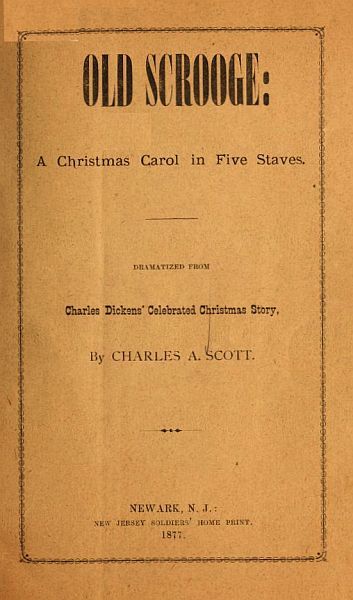 "Old Scrooge": A Christmas Carol in Five Staves. / Dramatized from Charles Dickens' Celebrated Christmas Story.
by Charles Augustus Scott
"Old Scrooge": A Christmas Carol in Five Staves. / Dramatized from Charles Dickens' Celebrated Christmas Story.
by Charles Augustus Scott
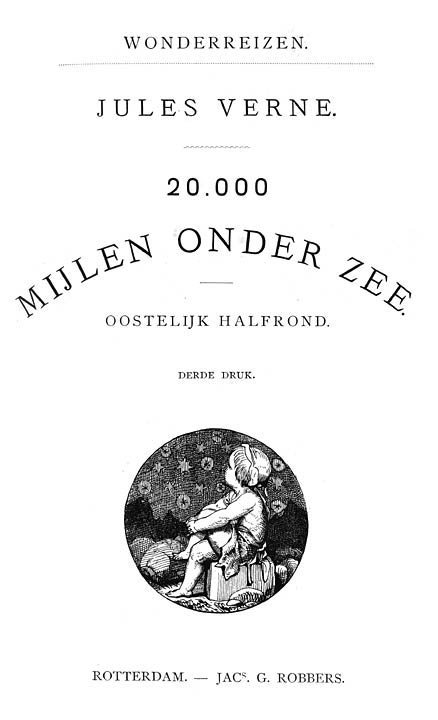 20.000 Mijlen onder Zee: Oostelijk Halfrond
by Jules Verne
20.000 Mijlen onder Zee: Oostelijk Halfrond
by Jules Verne
 20.000 Mijlen onder Zee: Westelijk Halfrond
by Jules Verne
20.000 Mijlen onder Zee: Westelijk Halfrond
by Jules Verne
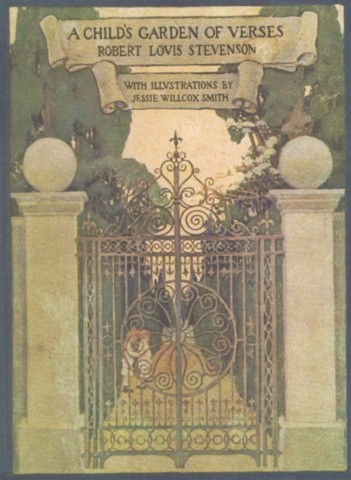 A Child's Garden of Verses
by Robert Louis Stevenson
A Child's Garden of Verses
by Robert Louis Stevenson
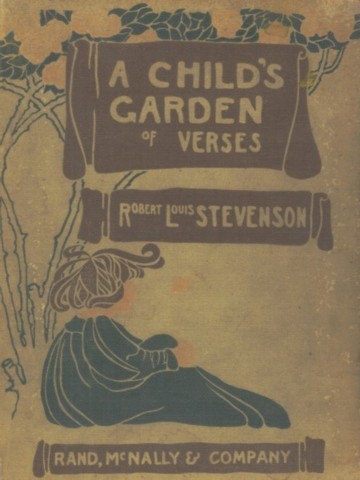 A Child's Garden of Verses
by Robert Louis Stevenson
A Child's Garden of Verses
by Robert Louis Stevenson
 A Child's Garden of Verses
by Robert Louis Stevenson
A Child's Garden of Verses
by Robert Louis Stevenson