
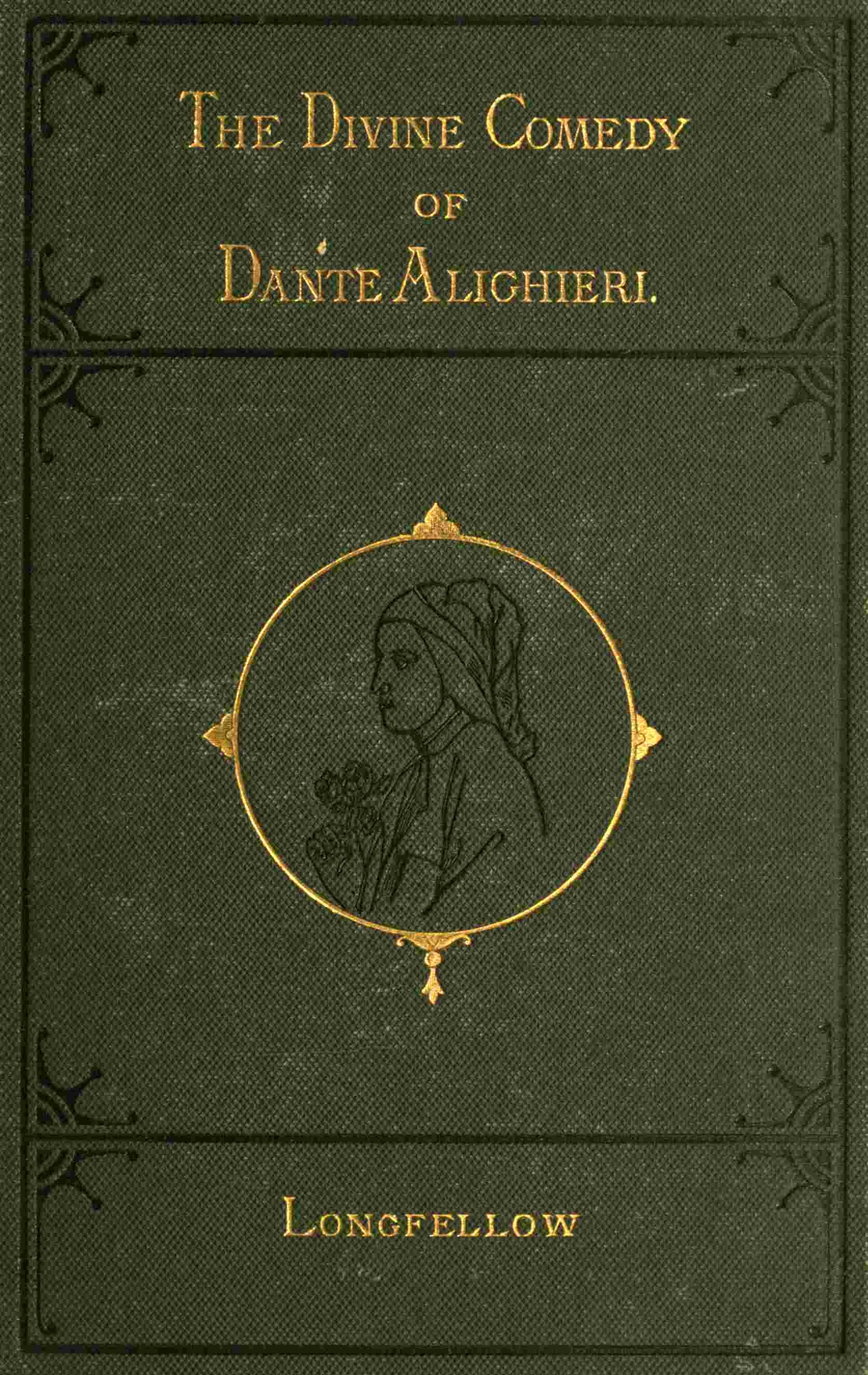
Divine Comedy, Longfellow's Translation, Complete
A pilgrim narrates a visionary voyage from a lost way through infernal depths, upward across purgatorial slopes, and into celestial realms. He is guided first by a revered classical poet and later by a beloved spiritual figure, moving through systematically ordered regions where punishments, trials, and purifications correspond to moral failings and virtues. Each canto stages encounters with mythic and historical figures, allegorical landscapes, and theological reflection that together map human vice, repentance, and redemption. The work concludes with an ascent to a transcendent sight that fuses personal transformation, ethical inquiry, and poetic imagination.
About This Book
A pilgrim narrates a visionary voyage from a lost way through infernal depths, upward across purgatorial slopes, and into celestial realms. He is guided first by a revered classical poet and later by a beloved spiritual figure, moving through systematically ordered regions where punishments, trials, and purifications correspond to moral failings and virtues. Each canto stages encounters with mythic and historical figures, allegorical landscapes, and theological reflection that together map human vice, repentance, and redemption. The work concludes with an ascent to a transcendent sight that fuses personal transformation, ethical inquiry, and poetic imagination.
About the Author
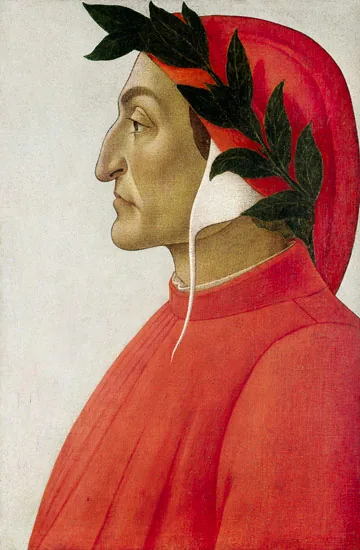
More Books by This Author
 Dante's Hel / In proza overgebracht en met een inleiding voorzien
by Dante Alighieri
Dante's Hel / In proza overgebracht en met een inleiding voorzien
by Dante Alighieri
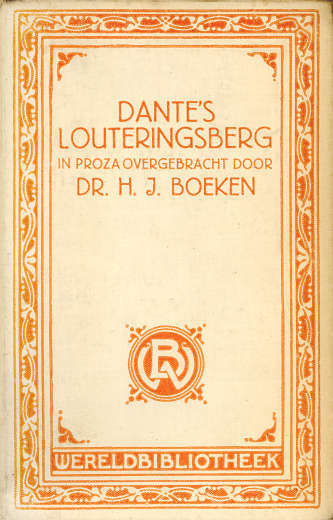 Dante's Louteringsberg / in proza overgebracht
by Dante Alighieri
Dante's Louteringsberg / in proza overgebracht
by Dante Alighieri
 Die Göttliche Komödie
by Dante Alighieri
Die Göttliche Komödie
by Dante Alighieri
 Divina Commedia di Dante: Inferno
by Dante Alighieri
Divina Commedia di Dante: Inferno
by Dante Alighieri
 Divina Commedia di Dante: Paradiso
by Dante Alighieri
Divina Commedia di Dante: Paradiso
by Dante Alighieri
 Divina Commedia di Dante: Purgatorio
by Dante Alighieri
Divina Commedia di Dante: Purgatorio
by Dante Alighieri
You May Also Like
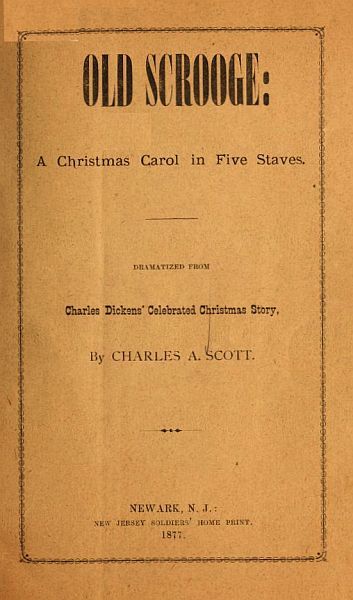 "Old Scrooge": A Christmas Carol in Five Staves. / Dramatized from Charles Dickens' Celebrated Christmas Story.
by Charles Augustus Scott
"Old Scrooge": A Christmas Carol in Five Staves. / Dramatized from Charles Dickens' Celebrated Christmas Story.
by Charles Augustus Scott
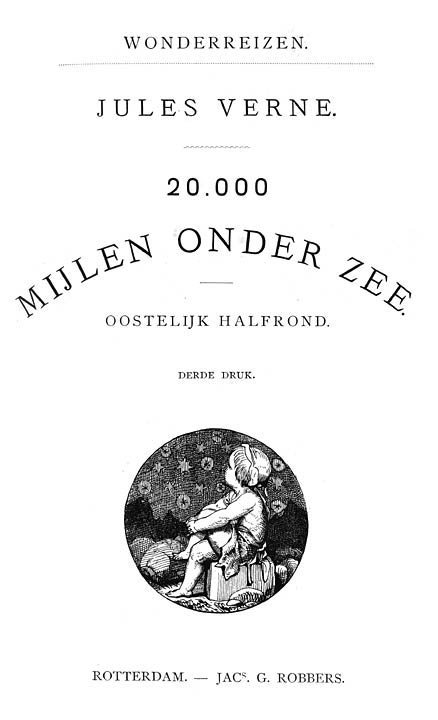 20.000 Mijlen onder Zee: Oostelijk Halfrond
by Jules Verne
20.000 Mijlen onder Zee: Oostelijk Halfrond
by Jules Verne
 20.000 Mijlen onder Zee: Westelijk Halfrond
by Jules Verne
20.000 Mijlen onder Zee: Westelijk Halfrond
by Jules Verne
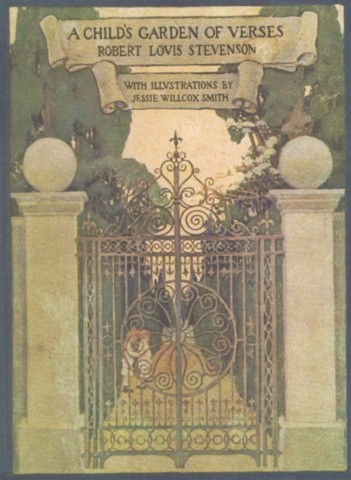 A Child's Garden of Verses
by Robert Louis Stevenson
A Child's Garden of Verses
by Robert Louis Stevenson
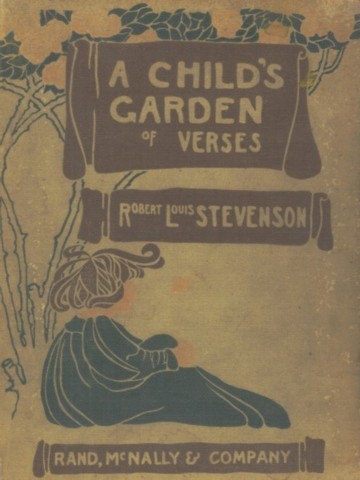 A Child's Garden of Verses
by Robert Louis Stevenson
A Child's Garden of Verses
by Robert Louis Stevenson
 A Child's Garden of Verses
by Robert Louis Stevenson
A Child's Garden of Verses
by Robert Louis Stevenson