

Divine Comedy, Cary's Translation, Paradise
The poem follows a pilgrim guided by a beloved spiritual companion through nine celestial spheres toward the ultimate presence. Each sphere hosts blessed souls whose luminous arrangements and conversations reveal moral order, theological principles, and the harmony linking creation to the divine. The narrator reflects on knowledge, love, and will as he advances, confronting the limits of human reason while witnessing ever-intensifying light and celestial music that signify spiritual realities. The ascent concludes in a transcendent, ineffable vision of unity with the divine, expressed through recurring metaphors of light, geometric order, and beatific contemplation.
About This Book
The poem follows a pilgrim guided by a beloved spiritual companion through nine celestial spheres toward the ultimate presence. Each sphere hosts blessed souls whose luminous arrangements and conversations reveal moral order, theological principles, and the harmony linking creation to the divine. The narrator reflects on knowledge, love, and will as he advances, confronting the limits of human reason while witnessing ever-intensifying light and celestial music that signify spiritual realities. The ascent concludes in a transcendent, ineffable vision of unity with the divine, expressed through recurring metaphors of light, geometric order, and beatific contemplation.
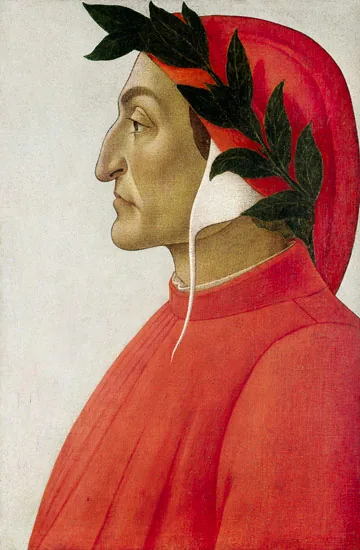
About the Author
More Books by This Author
 Dante's Hel / In proza overgebracht en met een inleiding voorzien
by Dante Alighieri
Dante's Hel / In proza overgebracht en met een inleiding voorzien
by Dante Alighieri
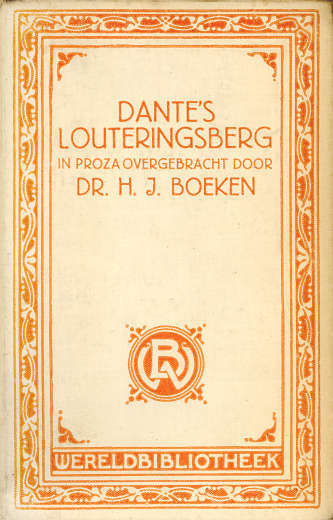 Dante's Louteringsberg / in proza overgebracht
by Dante Alighieri
Dante's Louteringsberg / in proza overgebracht
by Dante Alighieri
 Die Göttliche Komödie
by Dante Alighieri
Die Göttliche Komödie
by Dante Alighieri
 Divina Commedia di Dante: Inferno
by Dante Alighieri
Divina Commedia di Dante: Inferno
by Dante Alighieri
 Divina Commedia di Dante: Paradiso
by Dante Alighieri
Divina Commedia di Dante: Paradiso
by Dante Alighieri
 Divina Commedia di Dante: Purgatorio
by Dante Alighieri
Divina Commedia di Dante: Purgatorio
by Dante Alighieri
You May Also Like
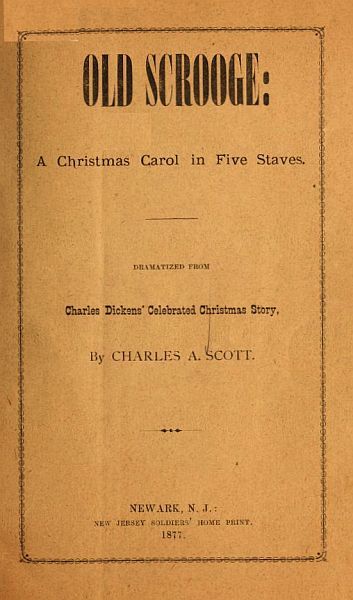 "Old Scrooge": A Christmas Carol in Five Staves. / Dramatized from Charles Dickens' Celebrated Christmas Story.
by Charles Augustus Scott
"Old Scrooge": A Christmas Carol in Five Staves. / Dramatized from Charles Dickens' Celebrated Christmas Story.
by Charles Augustus Scott
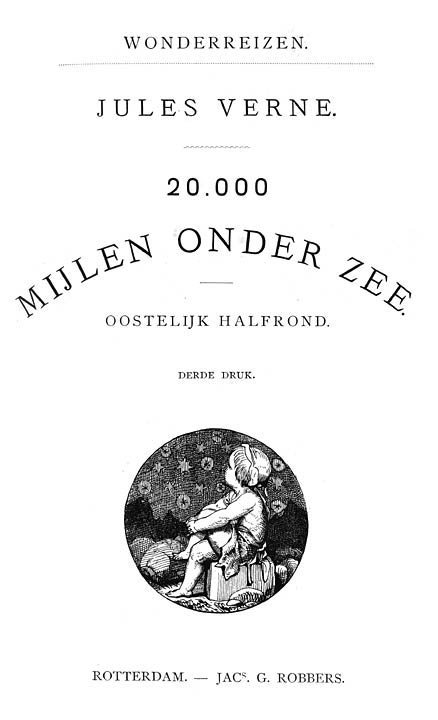 20.000 Mijlen onder Zee: Oostelijk Halfrond
by Jules Verne
20.000 Mijlen onder Zee: Oostelijk Halfrond
by Jules Verne
 20.000 Mijlen onder Zee: Westelijk Halfrond
by Jules Verne
20.000 Mijlen onder Zee: Westelijk Halfrond
by Jules Verne
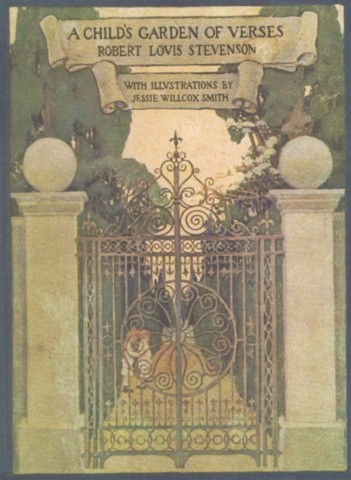 A Child's Garden of Verses
by Robert Louis Stevenson
A Child's Garden of Verses
by Robert Louis Stevenson
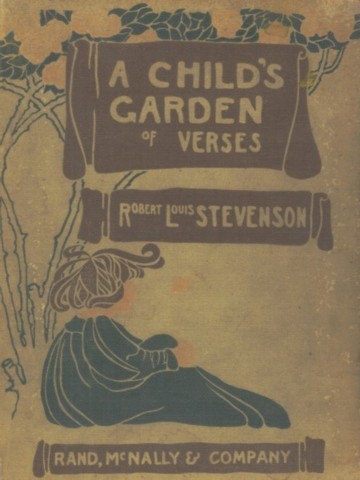 A Child's Garden of Verses
by Robert Louis Stevenson
A Child's Garden of Verses
by Robert Louis Stevenson
 A Child's Garden of Verses
by Robert Louis Stevenson
A Child's Garden of Verses
by Robert Louis Stevenson