
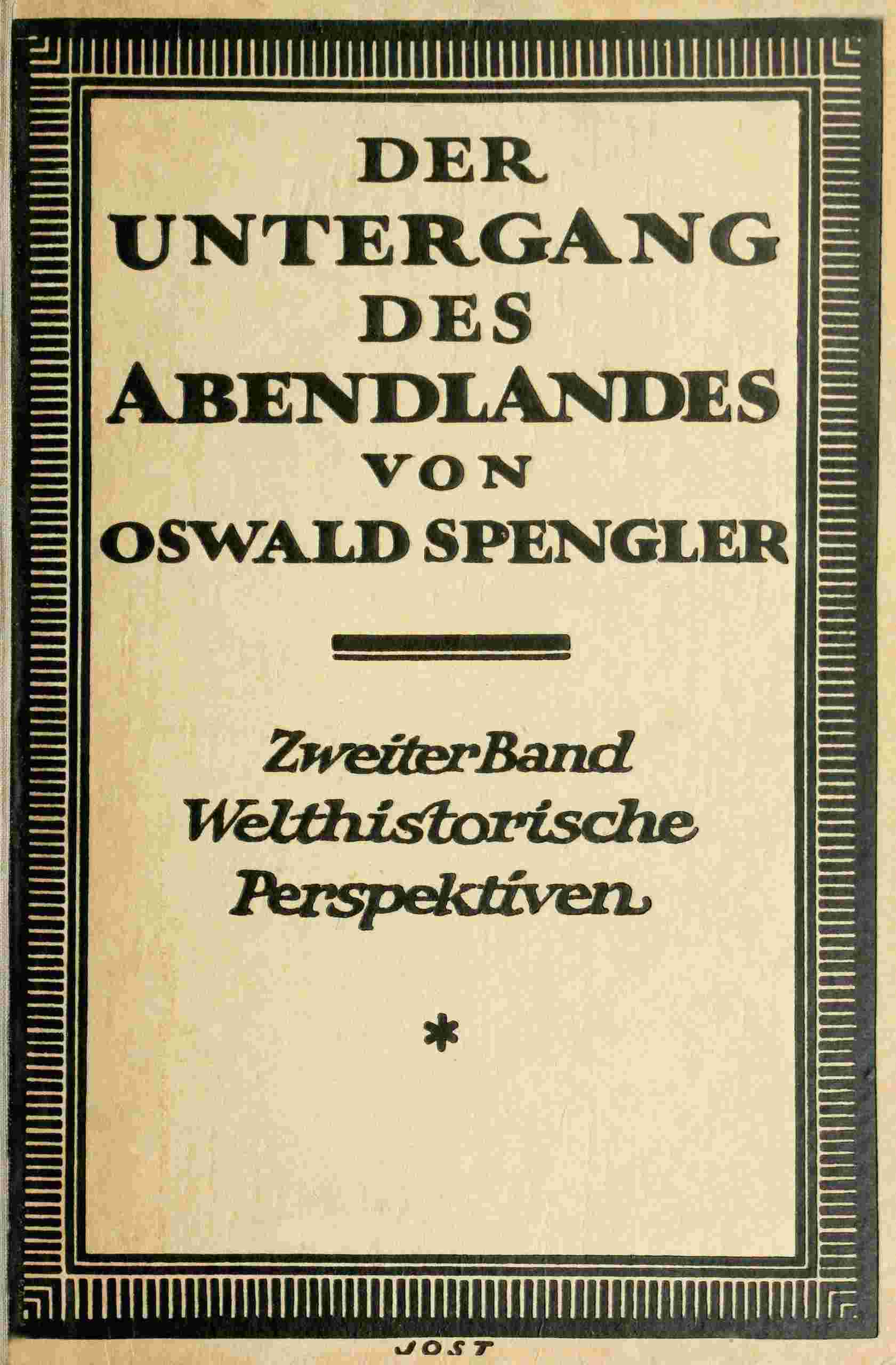
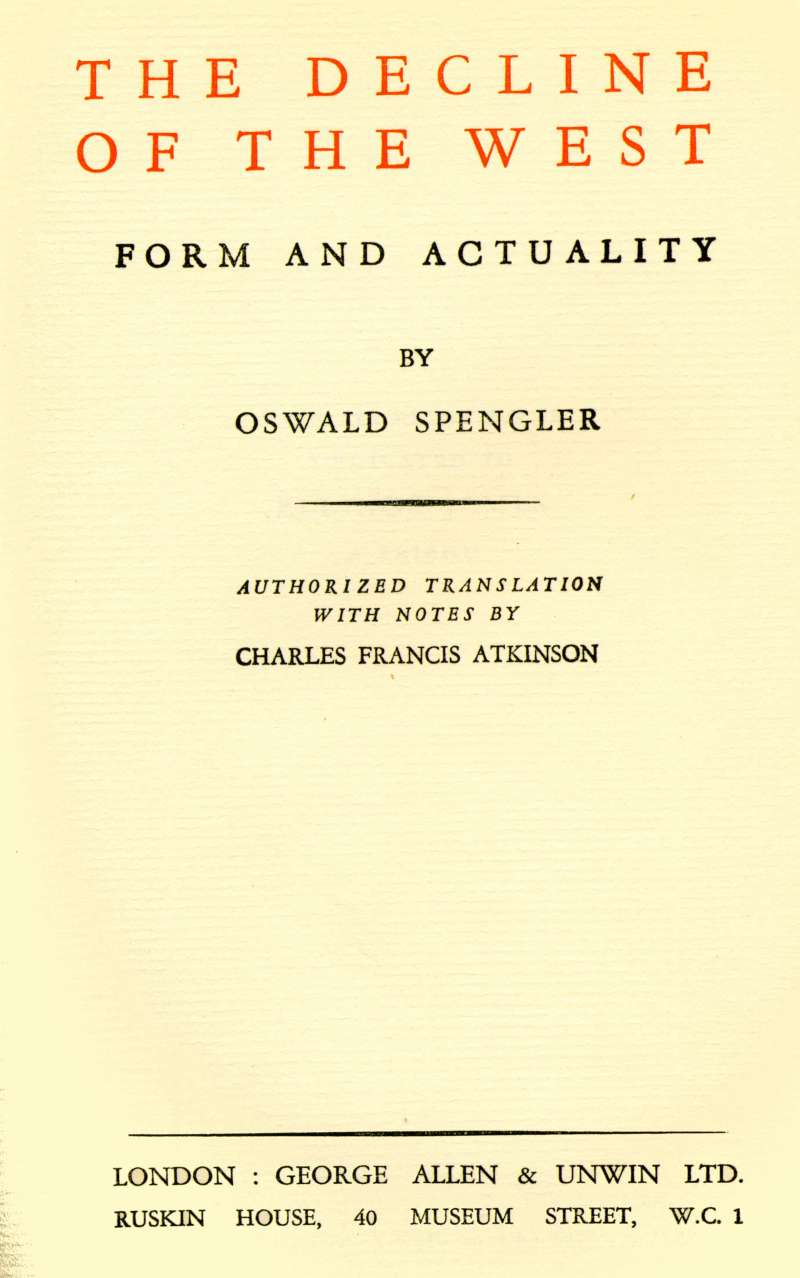
About This Book
A comparative morphology of civilizations is developed, treating cultures as living organisms that pass through birth, flowering, aging, and decline. The work surveys major cultural types and traces how landscape, urban forms, language, racial characteristics, and religious attitudes shape each culture's character and historical trajectory. Detailed chapters analyze cities, legal orders, state structures, and political leadership, arguing that changing forms of authority and class relations determine historical momentum. Economy and technology receive sustained attention: money, accounting methods, and machinery are portrayed as forces that transform social life and hasten transitions between economic and political regimes. Close readings of religious styles and intercultural influences show how doctrinal forms and legal practices affect cultural persistence and decay.
About the Author
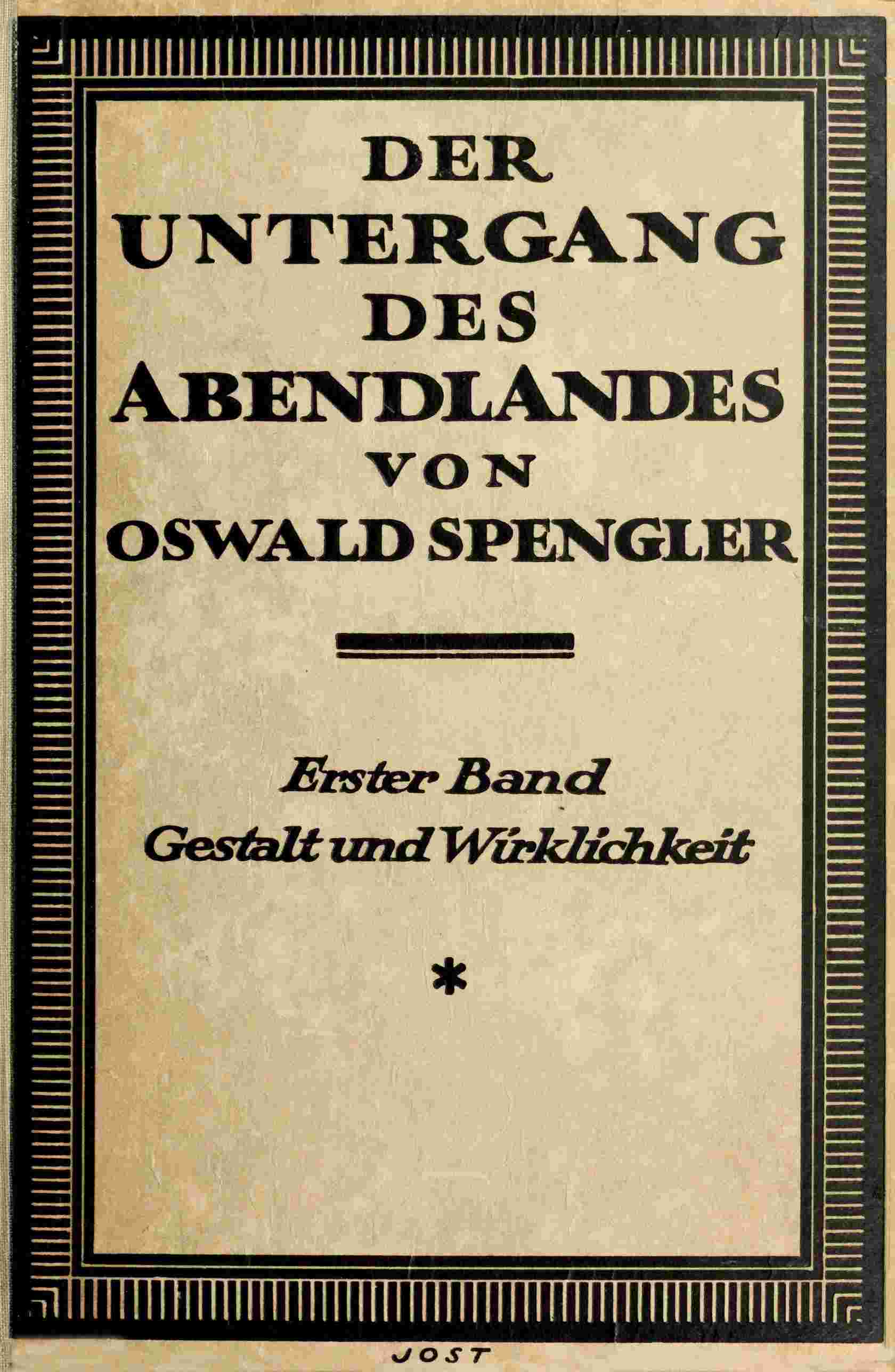
More Books by This Author
You May Also Like
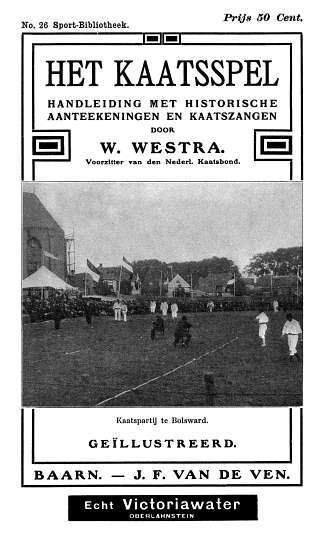 Het kaatsspel / handleiding met historische aanteekeningen en kaatszangen
by Willem Westra
Het kaatsspel / handleiding met historische aanteekeningen en kaatszangen
by Willem Westra
 Pondichéry, hoofdstad van Fransch-Indië / De Aarde en haar Volken, 1906
by Gerrit Verschuur
Pondichéry, hoofdstad van Fransch-Indië / De Aarde en haar Volken, 1906
by Gerrit Verschuur
 The Colonial Clippers
by Basil Lubbock
The Colonial Clippers
by Basil Lubbock
 Academica
by Marcus Tullius Cicero
Academica
by Marcus Tullius Cicero
 Mother Earth: Land Grants in Virginia, 1607-1699
by Walter Stitt Robinson
Mother Earth: Land Grants in Virginia, 1607-1699
by Walter Stitt Robinson
 Bolivia.—Een in wording zijnde Staat aan den Stillen Oceaan / De Aarde en haar Volken, 1907-1908
by Emile Barbier
Bolivia.—Een in wording zijnde Staat aan den Stillen Oceaan / De Aarde en haar Volken, 1907-1908
by Emile Barbier