
About This Book
The essay analyzes the caste system by identifying its characteristic features—hereditary membership, endogamy, occupational ties, ritual pollution, and communal organization—and argues that caste must be understood as a relational element within a larger social whole rather than an isolated unit. Drawing on ethnological observations about cultural unity and population mixture, it considers how a previously cohesive society became parceled into distinct groups, critiques existing definitions, and outlines the mechanisms that sustain and propagate caste norms. The account combines theoretical examination with consideration of practical consequences, highlighting institutional persistence, social controls, and effects on intercommunity relations.
About the Author

More Books by This Author

You May Also Like
 Paths of the Mound-Building Indians and Great Game Animals
by Archer Butler Hulbert
Paths of the Mound-Building Indians and Great Game Animals
by Archer Butler Hulbert
 The daily life of the Greeks and Romans as illustrated in the classical collections
by Helen McClees
The daily life of the Greeks and Romans as illustrated in the classical collections
by Helen McClees
 The Sun Dance of the Blackfoot Indians
by Clark Wissler
The Sun Dance of the Blackfoot Indians
by Clark Wissler
 The Gundungurra Language
by R. H. Mathews
The Gundungurra Language
by R. H. Mathews
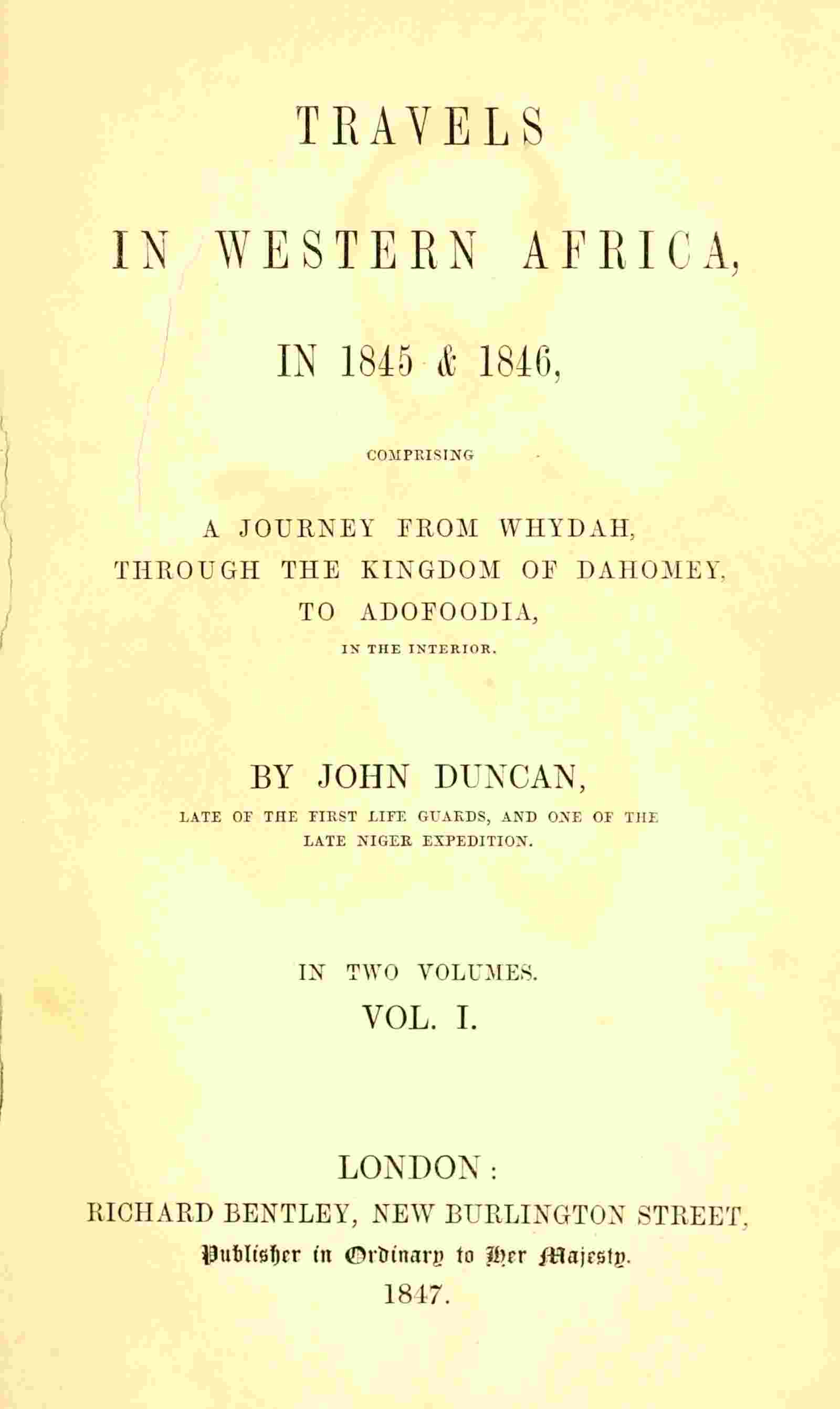 Travels in Western Africa in 1845 & 1846, Volume 1 (of 2) / comprising a journey from Whydah through the Kingdom of Dahomey to Adofoodia in the interior
by John Duncan
Travels in Western Africa in 1845 & 1846, Volume 1 (of 2) / comprising a journey from Whydah through the Kingdom of Dahomey to Adofoodia in the interior
by John Duncan
 On The Structure of Greek Tribal Society: An Essay
by Hugh E. Seebohm
On The Structure of Greek Tribal Society: An Essay
by Hugh E. Seebohm