
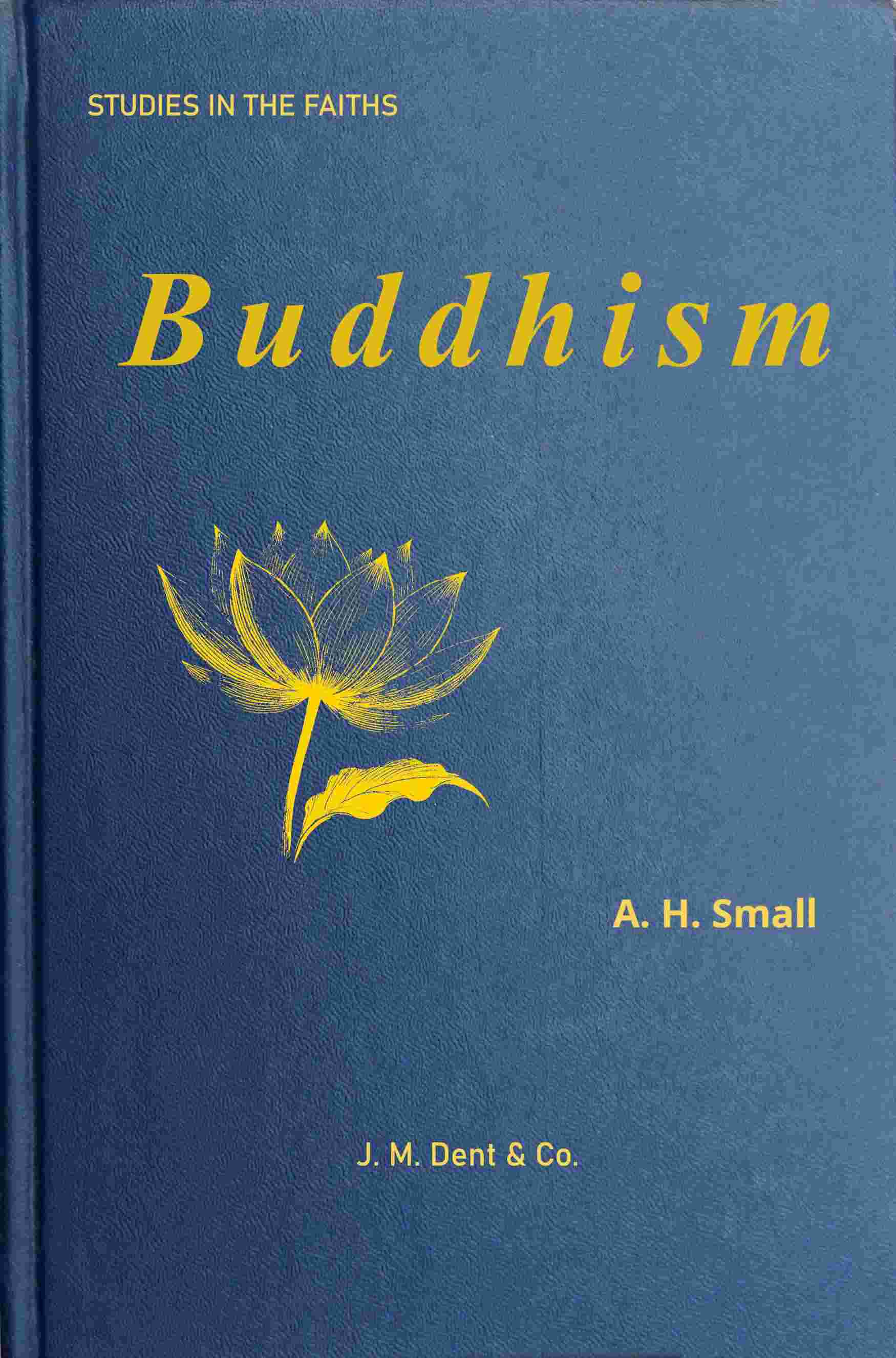
About This Book
The author presents a concise study of Buddhism, tracing the life and spiritual quest of Gautama, the development of Indian religious responses to suffering, and core doctrines such as transmigration, ascetic practices, the middle way, and the goal of emancipation. Chapters compare Buddhist concepts of universal law, confession, and moral discipline with Christian ideas of salvation, highlighting both convergences—ethical compassion and renunciation—and contrasts, particularly over the notion of a personal God and differing remedies for human sorrow. The tone is reflective, intended to invite sympathetic understanding and comparative reflection rather than exhaustive history.
About the Author

More Books by This Author
1 picks
You May Also Like
6 picks
 The Mystery of Francis Bacon
by William T. Smedley
The Mystery of Francis Bacon
by William T. Smedley
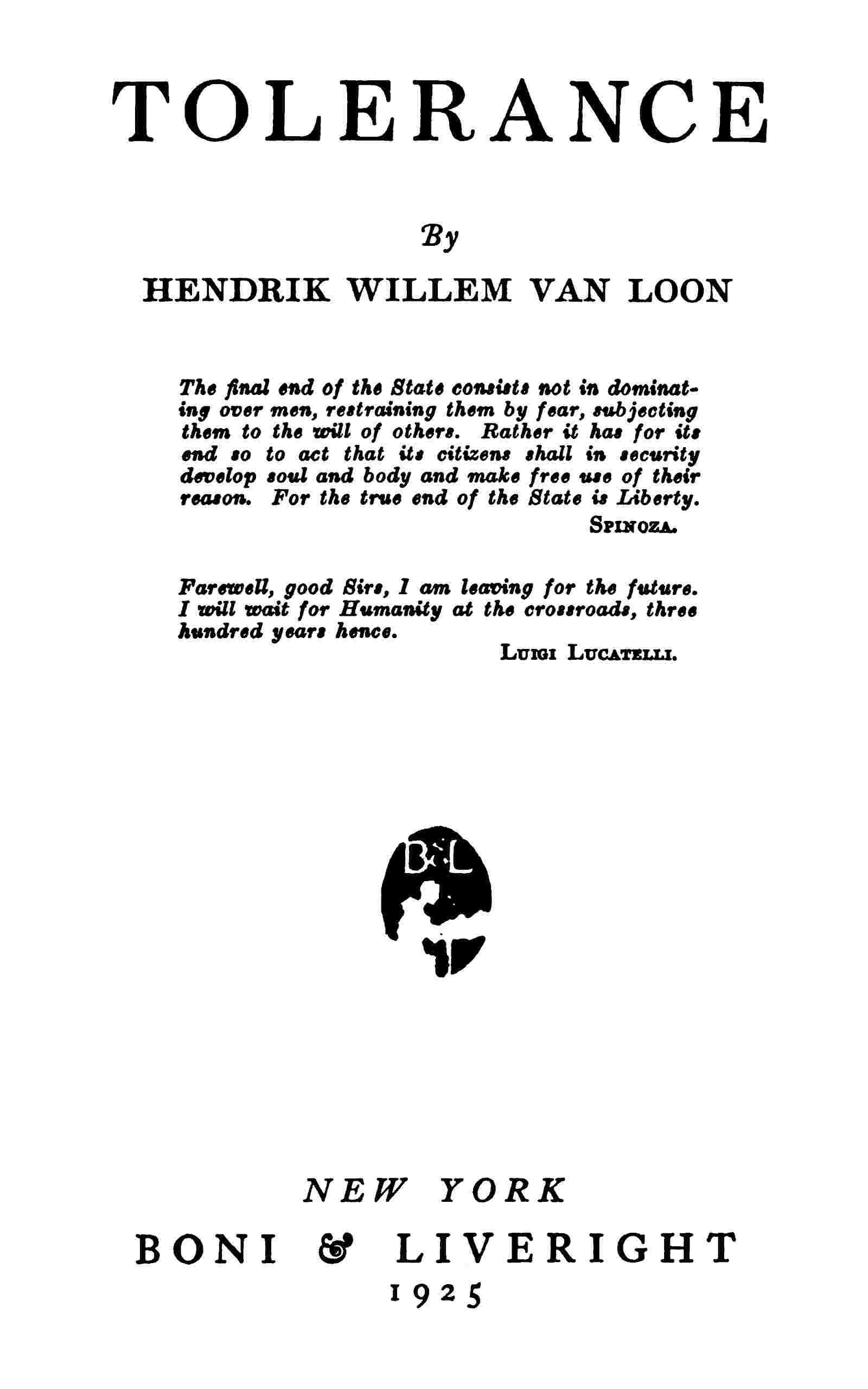 Tolerance
by Hendrik Willem Van Loon
Tolerance
by Hendrik Willem Van Loon
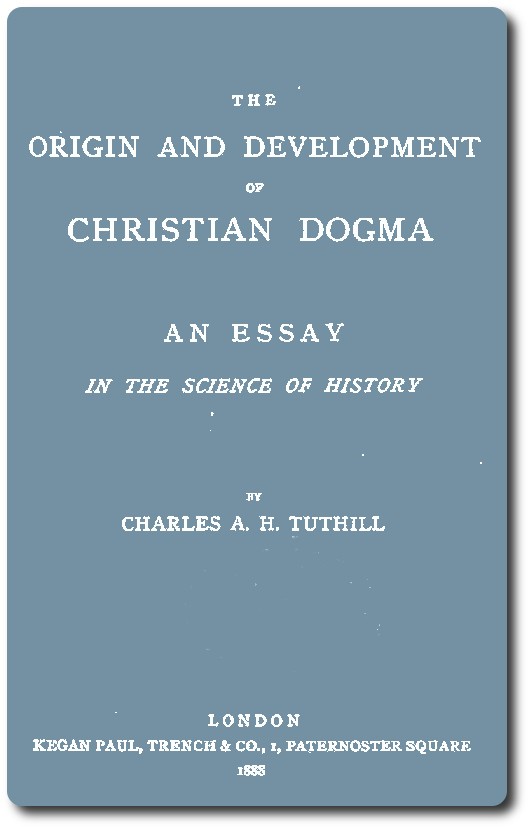 The Origin and Development of Christian Dogma: An essay in the science of history
by Charles A. H. Tuthill
The Origin and Development of Christian Dogma: An essay in the science of history
by Charles A. H. Tuthill
 Principles of Freedom
by Terence J. MacSwiney
Principles of Freedom
by Terence J. MacSwiney
 Creative Unity
by Rabindranath Tagore
Creative Unity
by Rabindranath Tagore
 Reasonableness of Catholic Ceremonies and Practices
by John J. Burke
Reasonableness of Catholic Ceremonies and Practices
by John J. Burke