
Детство
A narrator recalls early years through linked episodes that map emotional and moral development. Domestic scenes, friendships, school experiences, play and nascent affection alternate with moments of grief and bewilderment, while the child's changing perceptions of adults and social ritual are closely observed. Sensory detail and inward reflection give the memories a lyrical, episodic shape; recurring motifs of innocence, conscience, and imagination highlight the tension between private feeling and external expectation, and the account closes by arranging these formative impressions into a reflective account of growing understanding.
About This Book
A narrator recalls early years through linked episodes that map emotional and moral development. Domestic scenes, friendships, school experiences, play and nascent affection alternate with moments of grief and bewilderment, while the child's changing perceptions of adults and social ritual are closely observed. Sensory detail and inward reflection give the memories a lyrical, episodic shape; recurring motifs of innocence, conscience, and imagination highlight the tension between private feeling and external expectation, and the account closes by arranging these formative impressions into a reflective account of growing understanding.
About the Author

More Books by This Author
 "Bethink Yourselves!"
by graf Leo Tolstoy
"Bethink Yourselves!"
by graf Leo Tolstoy
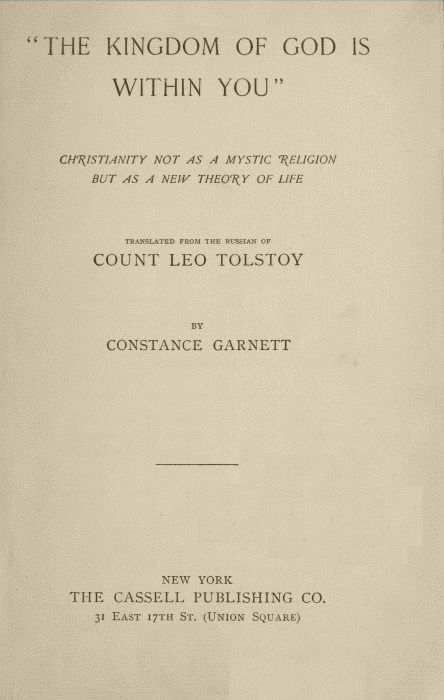 "The Kingdom of God Is Within You" / Christianity Not as a Mystic Religion but as a New Theory of Life
by graf Leo Tolstoy
"The Kingdom of God Is Within You" / Christianity Not as a Mystic Religion but as a New Theory of Life
by graf Leo Tolstoy
 "The Kingdom of God Is Within You" / Christianity Not as a Mystic Religion but as a New Theory of Life
by graf Leo Tolstoy
"The Kingdom of God Is Within You" / Christianity Not as a Mystic Religion but as a New Theory of Life
by graf Leo Tolstoy
 A Letter to a Hindu
by graf Leo Tolstoy
A Letter to a Hindu
by graf Leo Tolstoy
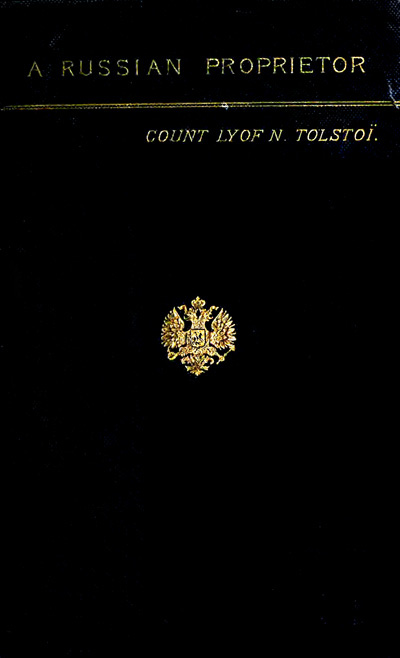 A Russian Proprietor, and Other Stories
by graf Leo Tolstoy
A Russian Proprietor, and Other Stories
by graf Leo Tolstoy
 Anna Karenina
by graf Leo Tolstoy
Anna Karenina
by graf Leo Tolstoy