

About This Book
The author develops a precise definition of a work-centered school, arguing that public education should prioritize vocational formation while integrating intellectual development. He critiques superficial implementations that equate manual with mental labor or that fragment subjects into arbitrary pieces, and he outlines pedagogical methods, the role and training of technical teachers, and practical curricular and organizational models for elementary grades. The work concludes with a synthesis of principles for organizing schools so that purposeful, productive activity unites knowledge, skill, and civic aims.
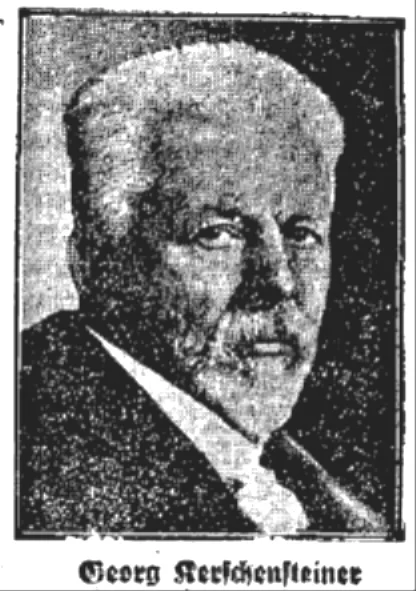
About the Author
You May Also Like
6 picks
 Froebel as a pioneer in modern psychology
by E. R. Murray
Froebel as a pioneer in modern psychology
by E. R. Murray
 New Latin Grammar
by Charles E. Bennett
New Latin Grammar
by Charles E. Bennett
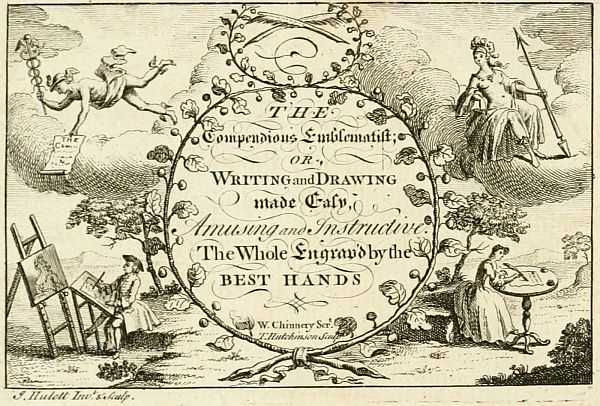 Writing and Drawing Made Easy, Amusing and Instructive / Containing the Whole Alphabet in All the Characters Now Us'd, Both in Printing and Penmanship
by William Chinnery
Writing and Drawing Made Easy, Amusing and Instructive / Containing the Whole Alphabet in All the Characters Now Us'd, Both in Printing and Penmanship
by William Chinnery
 Hand-Craft: The Most Reliable Basis of Technical Education in Schools and Classes
by John D. Sutcliffe
Hand-Craft: The Most Reliable Basis of Technical Education in Schools and Classes
by John D. Sutcliffe
 Marks' first lessons in geometry / In two parts. Objectively presented, and designed for the use of primary classes in grammar schools, academies, etc.
by Bernhard Marks
Marks' first lessons in geometry / In two parts. Objectively presented, and designed for the use of primary classes in grammar schools, academies, etc.
by Bernhard Marks
 Hurlbut's Bible Lessons for Boys and Girls
by Jesse Lyman Hurlbut
Hurlbut's Bible Lessons for Boys and Girls
by Jesse Lyman Hurlbut