
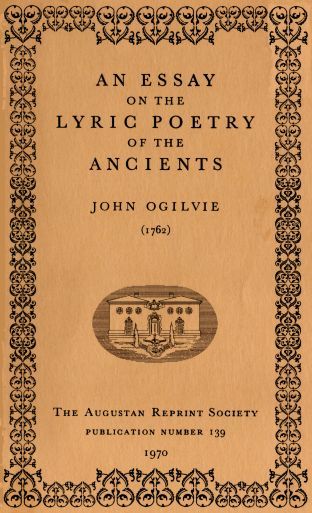
About This Book
The essay examines ancient lyric poetry by tracing its psychological and historical origins, arguing that poetry arises before philosophy from imaginative faculties. It distinguishes pastoral—rooted in external scenes and producing simple pleasure—from lyric, which addresses inward subjects and seeks admiration of divine powers. The author outlines a progression from primitive extempore songs through mythic allegory influenced by earlier civilizations to more refined odes exemplified by Horace and other lyric models. He analyzes poetic technique—unity of sentiment, propriety of passions, relation of language to feeling, and the poet's judgment—defends the civilizing role of imaginative religion, and offers critical rules for composing effective lyric verse.
About the Author

You May Also Like
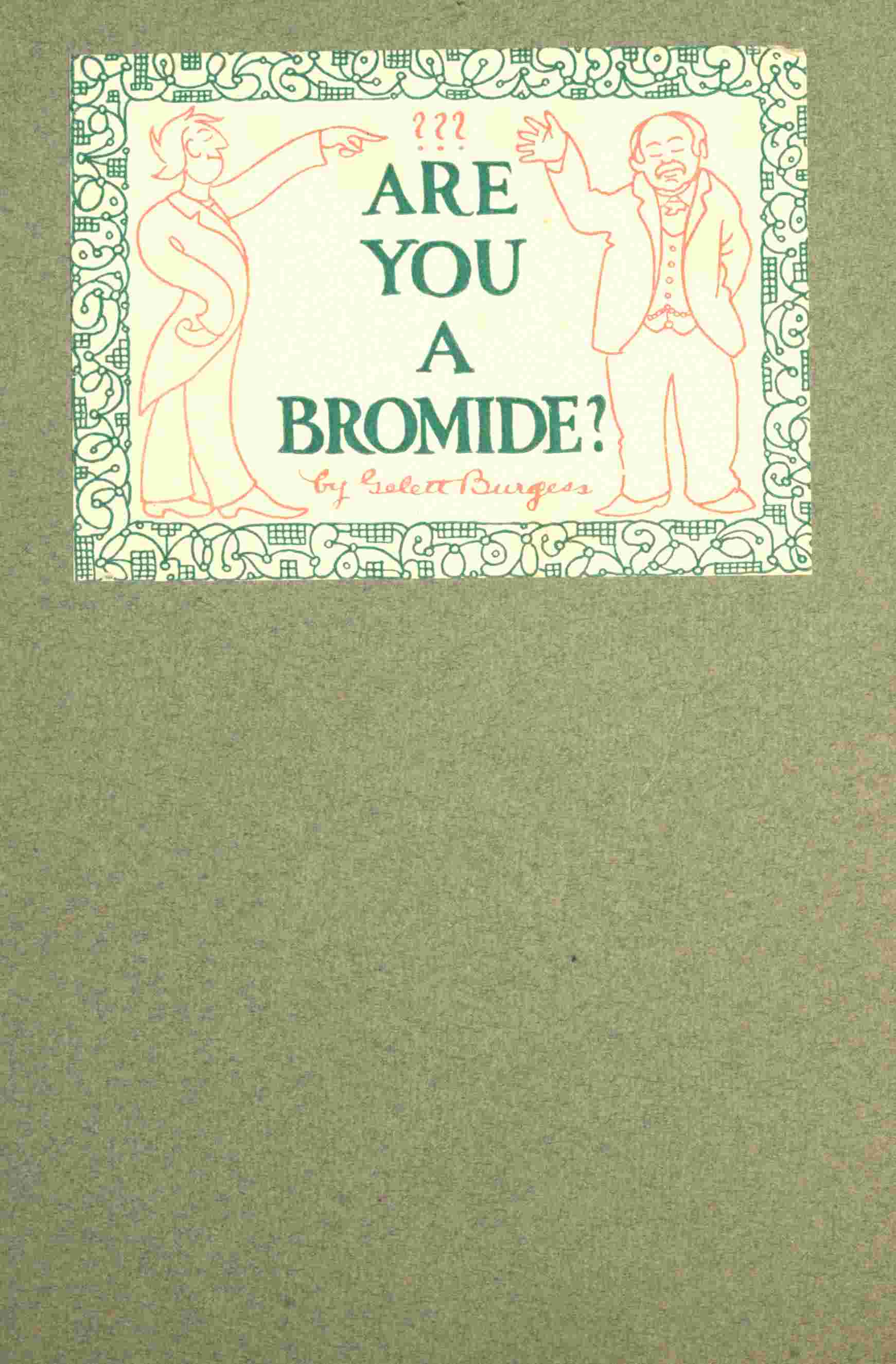 Are You a Bromide? / The Sulphitic Theory Expounded and Exemplified According to the Most Recent Researches into the Psychology of Boredom, Including Many Well-Known Bromidioms Now in Use
by Gelett Burgess
Are You a Bromide? / The Sulphitic Theory Expounded and Exemplified According to the Most Recent Researches into the Psychology of Boredom, Including Many Well-Known Bromidioms Now in Use
by Gelett Burgess
 Chenodia / Or, the Classical Mother Goose
by Jacob Bigelow
Chenodia / Or, the Classical Mother Goose
by Jacob Bigelow
 Briefe an Ludwig Tieck (3/4) / Dritter Band
by Ludwig Tieck
Briefe an Ludwig Tieck (3/4) / Dritter Band
by Ludwig Tieck
 Lays of Ancient Babyland / to which are added Small Divers Histories not known to the Ancients
by Richard Trott Fisher
Lays of Ancient Babyland / to which are added Small Divers Histories not known to the Ancients
by Richard Trott Fisher
 Dictionnaire des idées reçues
by Gustave Flaubert
Dictionnaire des idées reçues
by Gustave Flaubert
 The Lazy Minstrel
by J. Ashby-Sterry
The Lazy Minstrel
by J. Ashby-Sterry