

About This Book
The author offers a sympathetic portrait of Abraham Lincoln, analyzing his moral character and private faith to ask whether he was a Christian and why he never formally joined a church. Drawing on Lincoln's biblical reading, public statements, and wartime leadership, the work argues he valued the spirit of Christianity over creedal technicalities, distrusted theological formalism, and kept religion personal rather than institutional. It also examines how clergy and churches responded to slavery and the national crisis, contending that organized religion often failed to lead on emancipation while Lincoln's conscience and political choices were shaped by broad religious and ethical convictions.
About the Author

You May Also Like
6 picks
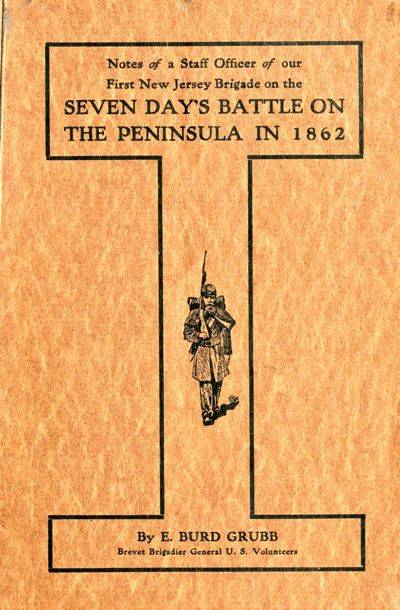 Notes of a staff officer of our First New Jersey Brigade on the Seven Day's Battle on the peninsula in 1862
by E. Burd Grubb
Notes of a staff officer of our First New Jersey Brigade on the Seven Day's Battle on the peninsula in 1862
by E. Burd Grubb
 Some War-time Lessons / The Soldier's Standards of Conduct; The War As a Practical Test of American Scholarship; What Have We Learned?
by Frederick P. Keppel
Some War-time Lessons / The Soldier's Standards of Conduct; The War As a Practical Test of American Scholarship; What Have We Learned?
by Frederick P. Keppel
 The Armies of Labor: A Chronicle of the Organized Wage-Earners
by Samuel Peter Orth
The Armies of Labor: A Chronicle of the Organized Wage-Earners
by Samuel Peter Orth
 The Church and the Empire / Being an Outline of the History of the Church from A.D. 1003 to A.D. 1304
by D. J. Medley
The Church and the Empire / Being an Outline of the History of the Church from A.D. 1003 to A.D. 1304
by D. J. Medley
 Ten Years in Washington / or, Inside Life and Scenes in Our National Capital as a Woman Sees Them ... to Which Is Added a Full Account of the Life and Death of President James A. Garfield
by Mary Clemmer
Ten Years in Washington / or, Inside Life and Scenes in Our National Capital as a Woman Sees Them ... to Which Is Added a Full Account of the Life and Death of President James A. Garfield
by Mary Clemmer
 Recollections / With Photogravure Portrait of the Author and a number of / Original Letters, of which one by George Meredith and / another by Robert Louis Stevenson are reproduced in / facsimile
by David Christie Murray
Recollections / With Photogravure Portrait of the Author and a number of / Original Letters, of which one by George Meredith and / another by Robert Louis Stevenson are reproduced in / facsimile
by David Christie Murray