

About sugar buying for jobbers / How you can lessen business risks by trading in refined sugar futures
Explore more books like this:
About This Book
This work provides a practical guide for jobbers in the sugar industry, focusing on how to mitigate business risks through trading in refined sugar futures. It outlines the significance of time in business transactions, emphasizing that larger operations face greater uncertainties and risks. The text explains the mechanics of the Sugar Exchange, where buyers and sellers can stabilize prices and reduce speculative risks. By utilizing the exchange, jobbers can secure their future sugar requirements and enhance market fluidity, ultimately benefiting both producers and consumers. The booklet aims to educate jobbers on the advantages of engaging with this new trading market.
About the Author

You May Also Like
6 picks
 Public Speaking
by Clarence Stratton
Public Speaking
by Clarence Stratton
 An Essay to the Restoring of our Decayed Trade. / Wherein is Described, the Smuglers, Lawyers, and Officers Frauds &c.
by Joseph Trevers
An Essay to the Restoring of our Decayed Trade. / Wherein is Described, the Smuglers, Lawyers, and Officers Frauds &c.
by Joseph Trevers
 The Art of Soul-Winning
by J. W. Mahood
The Art of Soul-Winning
by J. W. Mahood
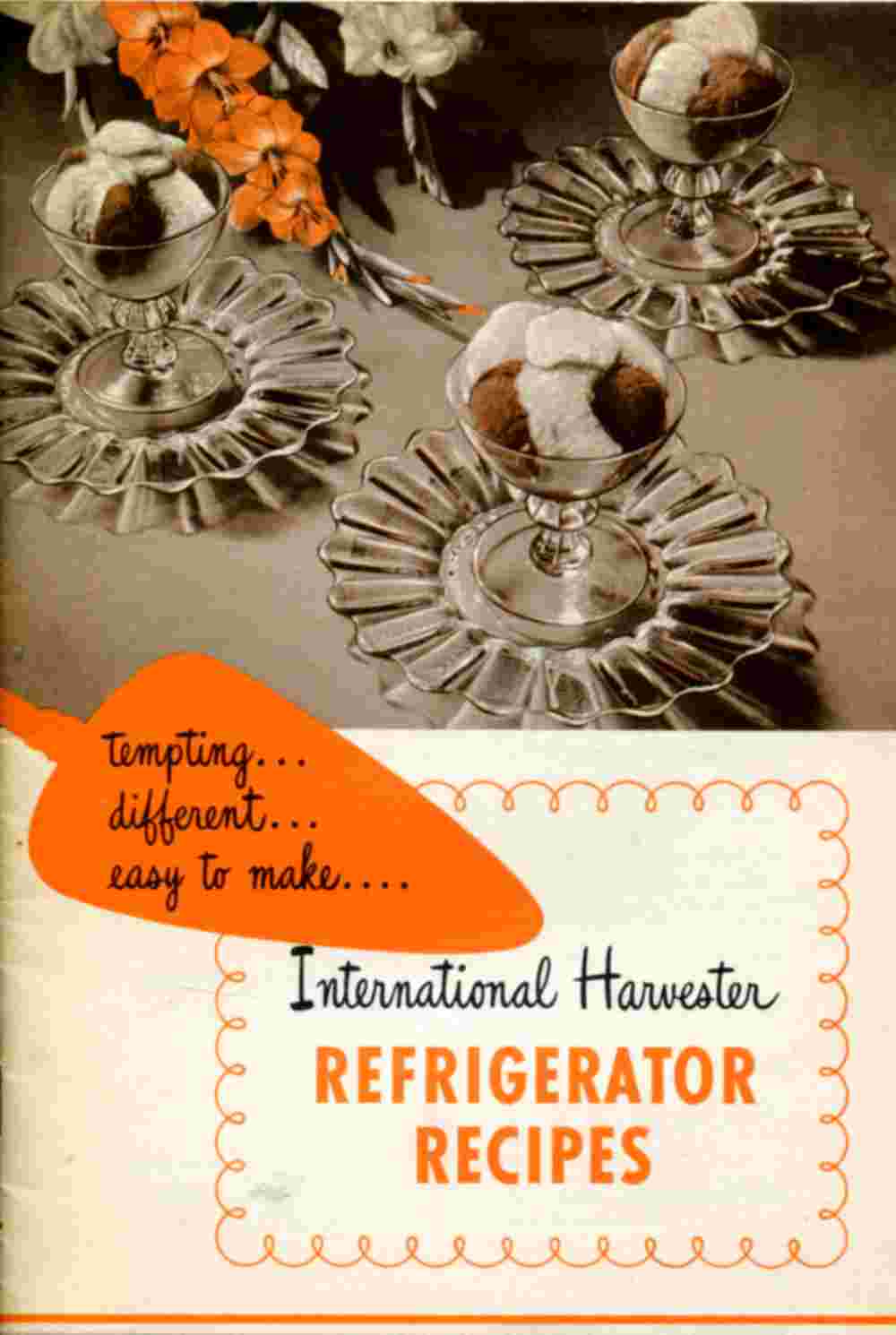 International Harvester Refrigerator Recipes
by Irma Harding
International Harvester Refrigerator Recipes
by Irma Harding
 A Profitable Instruction of the Perfite Ordering of Bees / With the Maruellous Nature, Propertie, and Gouernemente of Them: and the Necessarie Vses Both of Their Honie and Waxe, Seruing Diuersly, as Well in Inward as Outward Causes: Gathered Out of the Best Writers
by Thomas Hill
A Profitable Instruction of the Perfite Ordering of Bees / With the Maruellous Nature, Propertie, and Gouernemente of Them: and the Necessarie Vses Both of Their Honie and Waxe, Seruing Diuersly, as Well in Inward as Outward Causes: Gathered Out of the Best Writers
by Thomas Hill
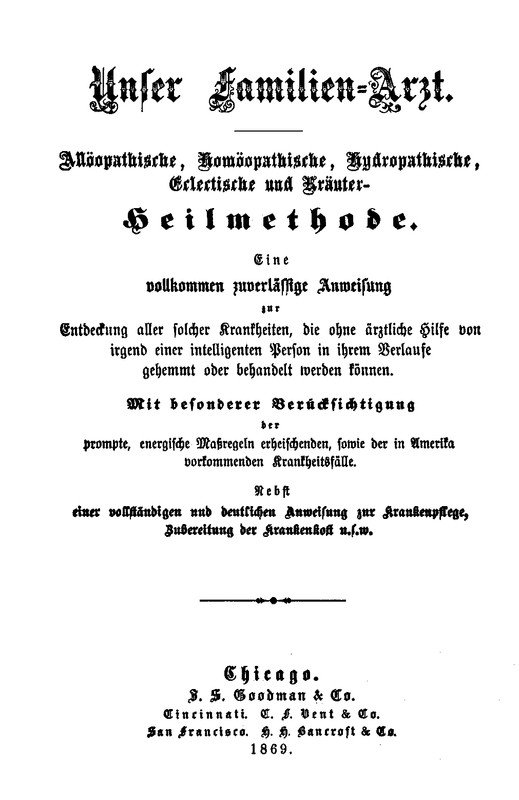 Unser Familien-Arzt / Allöopathische, Homöopathische, Hydropathische, Eclectische und Kräuter-Heilmethode
by H. R. Stout
Unser Familien-Arzt / Allöopathische, Homöopathische, Hydropathische, Eclectische und Kräuter-Heilmethode
by H. R. Stout