
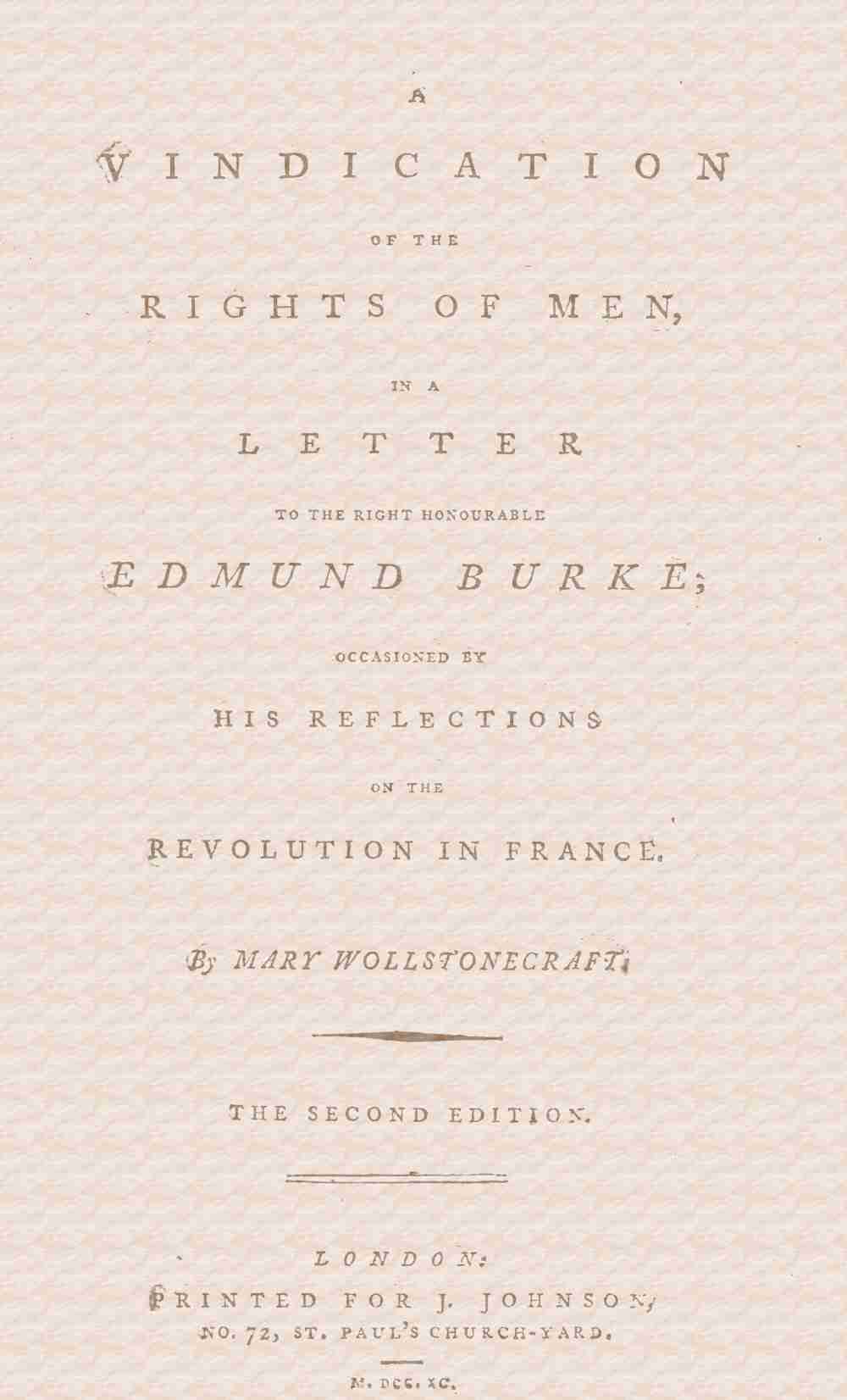
A vindication of the rights of men, in a letter to the Right Honourable Edmund Burke; occasioned by his Reflections on the Revolution in France
Explore more books like this:
About This Book
The author mounts a pointed rebuttal to a contemporary defense of tradition and privilege, insisting that reason and natural rights should determine civil and religious liberty. She critiques sentimental rhetoric and cultivated vanity as disguises for injustice, rejects hereditary authority and prescription as grounds for inequality, and argues that institutions must secure equal liberty compatible with social order. Emphasizing education, moral improvement, and merit as bases of legitimate authority, the essay advocates reform grounded in rational principle rather than deference to antiquity. The tone blends moral argument, political theory, and vigorous polemic to defend the equal rights and duties of individuals within society.
About the Author
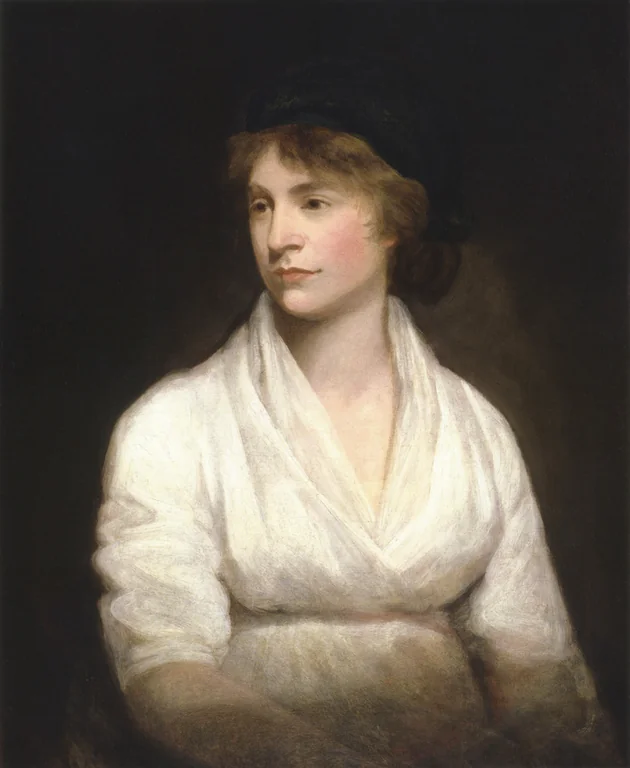
More Books by This Author
 A Vindication of the Rights of Woman / With Strictures on Political and Moral Subjects
by Mary Wollstonecraft
A Vindication of the Rights of Woman / With Strictures on Political and Moral Subjects
by Mary Wollstonecraft
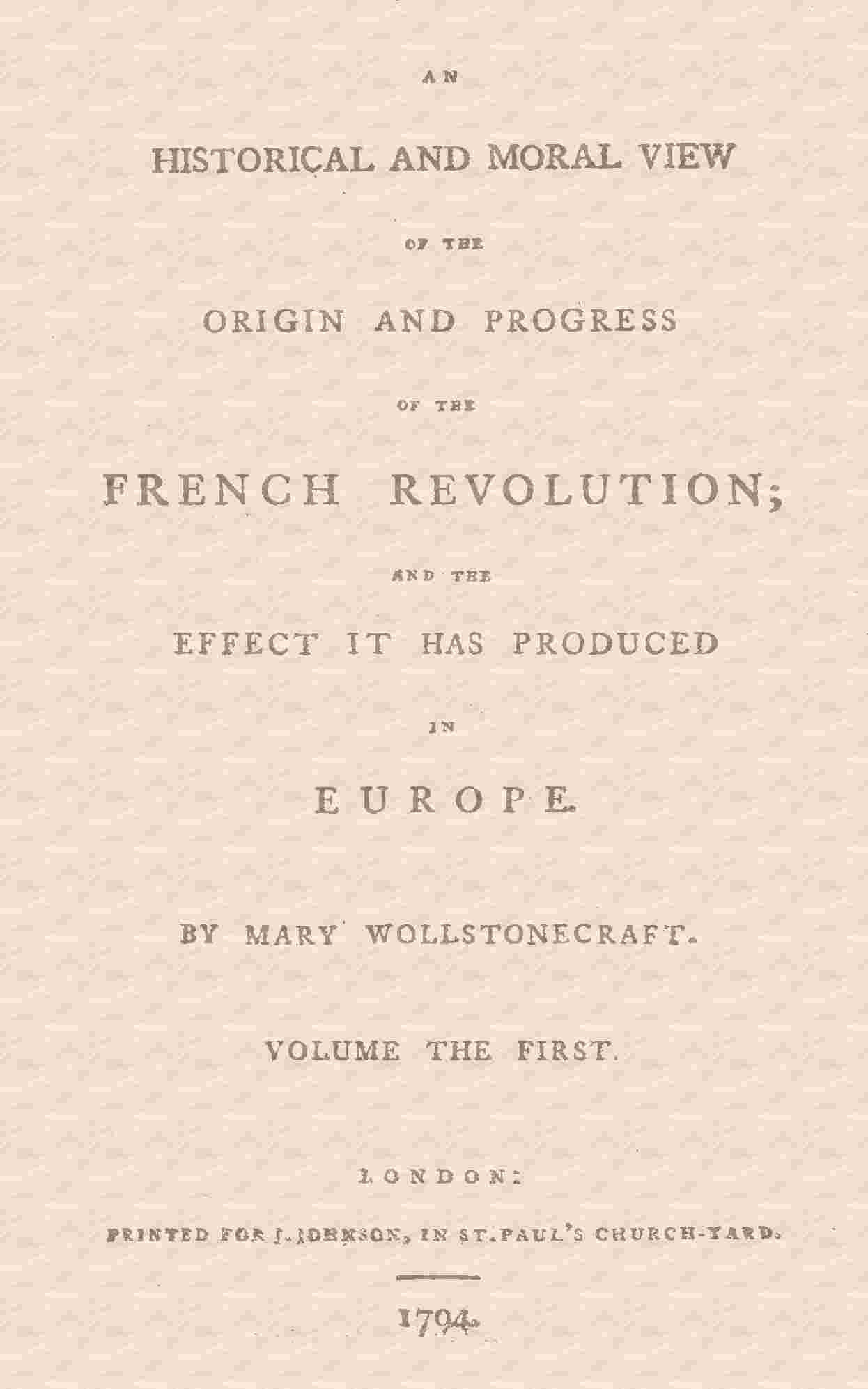 An historical and moral view of the origin and progress of the French Revolution; and the effect it has produced in Europe
by Mary Wollstonecraft
An historical and moral view of the origin and progress of the French Revolution; and the effect it has produced in Europe
by Mary Wollstonecraft
 Letters Written During a Short Residence in Sweden, Norway, and Denmark
by Mary Wollstonecraft
Letters Written During a Short Residence in Sweden, Norway, and Denmark
by Mary Wollstonecraft
 Maria; Or, The Wrongs of Woman
by Mary Wollstonecraft
Maria; Or, The Wrongs of Woman
by Mary Wollstonecraft
 Mary Wollstonecraft's Original Stories
by Mary Wollstonecraft
Mary Wollstonecraft's Original Stories
by Mary Wollstonecraft
 Mary: A Fiction
by Mary Wollstonecraft
Mary: A Fiction
by Mary Wollstonecraft
You May Also Like
 The Lay of the Land
by Dallas Lore Sharp
The Lay of the Land
by Dallas Lore Sharp
 A Kut Prisoner
by Harry Coghill Watson Bishop
A Kut Prisoner
by Harry Coghill Watson Bishop
 A Woman's Experiences in the Great War
by Louise Mack
A Woman's Experiences in the Great War
by Louise Mack
 De Geest van China
by Henri Borel
De Geest van China
by Henri Borel
 The Law of Psychic Phenomena / A working hypothesis for the systematic study of hypnotism, spiritism, mental therapeutics, etc.
by Thomson Jay Hudson
The Law of Psychic Phenomena / A working hypothesis for the systematic study of hypnotism, spiritism, mental therapeutics, etc.
by Thomson Jay Hudson
 The Philippine Islands, 1493-1898—Volume 34 of 55, 1519-1522; 1280-1605 / Explorations by early navigators, descriptions of the islands and their peoples, their history and records of the Catholic missions, as related in contemporaneous books and manuscripts, showing the political, economic, commercial and religious conditions of those islands from their earliest relations with European nations to the close of the nineteenth century
by Antonio Pigafetta
The Philippine Islands, 1493-1898—Volume 34 of 55, 1519-1522; 1280-1605 / Explorations by early navigators, descriptions of the islands and their peoples, their history and records of the Catholic missions, as related in contemporaneous books and manuscripts, showing the political, economic, commercial and religious conditions of those islands from their earliest relations with European nations to the close of the nineteenth century
by Antonio Pigafetta