

About This Book
The author treats the press as an organic part of society, arguing newspapers reflect the opinions, prejudices, and readiness of their audiences and cannot report ideas the public is not prepared to receive. He examines how editors and journalists must anticipate and echo public sentiment, how commercial and political pressures shape content, and how a tension arises between integrity and survival: principled publications may fail while pandering ones lose honesty. The essay explores editorial decision-making, publisher influence, and the routine compromises that constrain reporting, outlining the practical and moral dilemmas inherent in modern journalism.
About the Author

More Books by This Author
6 picks





You May Also Like
6 picks
 Literary Blunders: A Chapter in the "History of Human Error"
by Henry B. Wheatley
Literary Blunders: A Chapter in the "History of Human Error"
by Henry B. Wheatley
 Entretiens / Interviews / Entrevistas
by Marie Lebert
Entretiens / Interviews / Entrevistas
by Marie Lebert
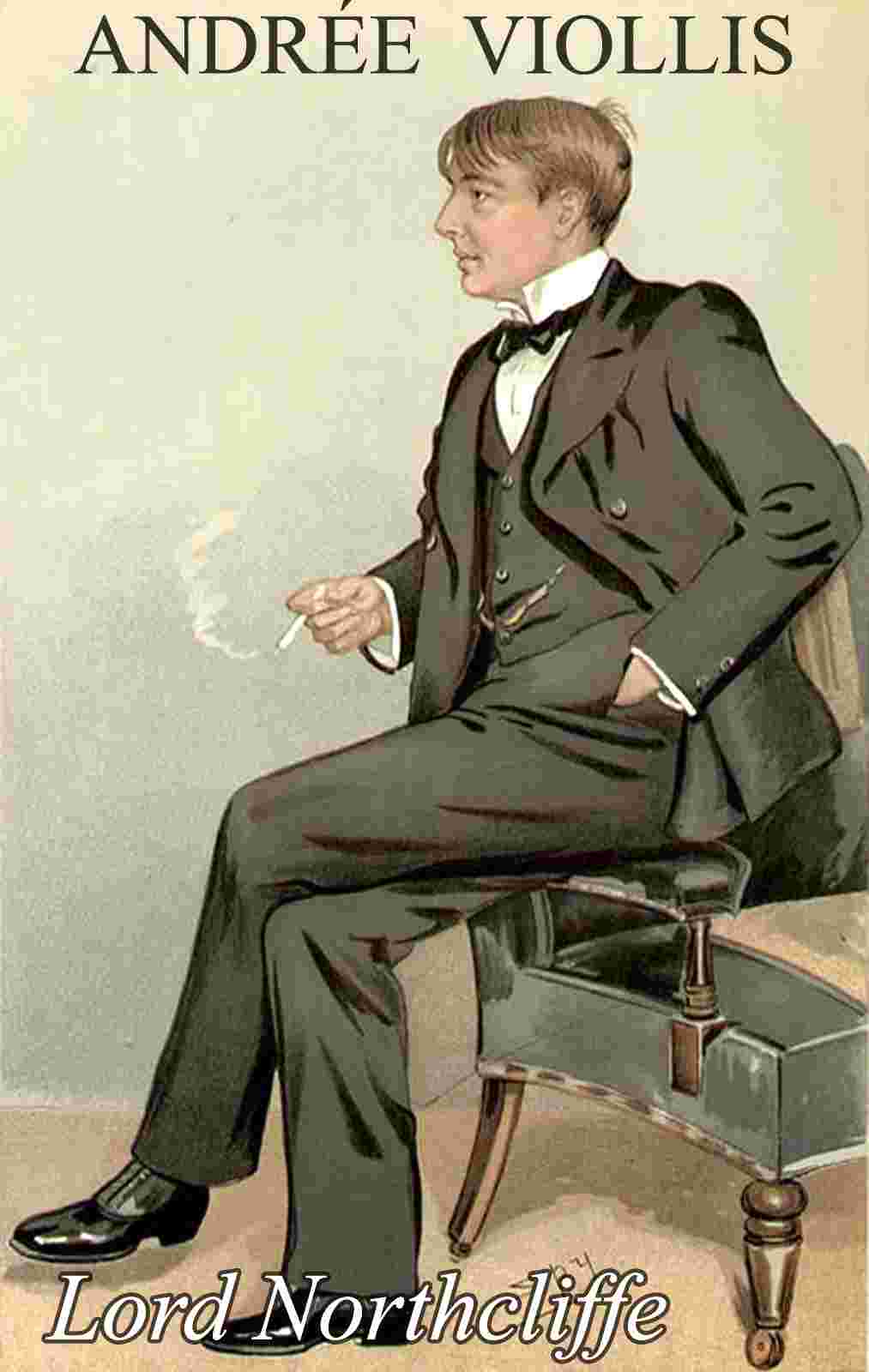 Lord Northcliffe
by Andrée Viollis
Lord Northcliffe
by Andrée Viollis
 Why Authors Go Wrong, and Other Explanations
by Grant M. Overton
Why Authors Go Wrong, and Other Explanations
by Grant M. Overton
 Newspaper Writing and Editing
by Willard Grosvenor Bleyer
Newspaper Writing and Editing
by Willard Grosvenor Bleyer
 Hints on writing short stories
by Charles Joseph Finger
Hints on writing short stories
by Charles Joseph Finger