
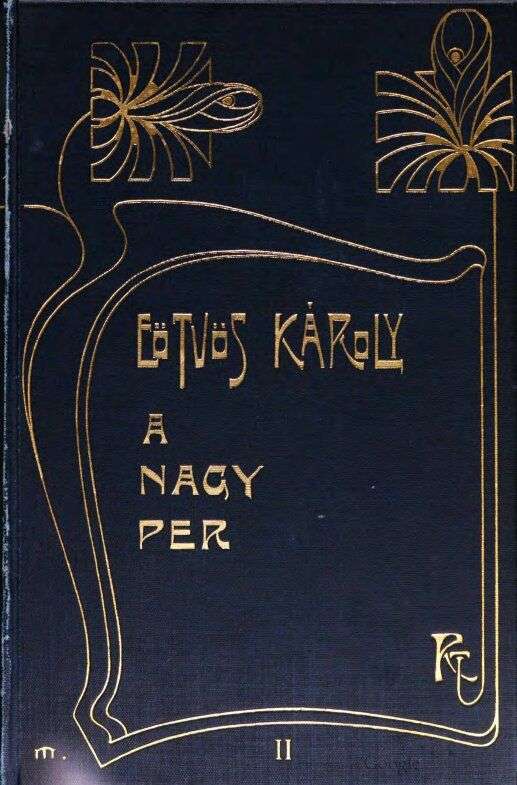
A nagy per, mely ezer éve folyik s még sincs vége (2. kötet)
Explore more books like this:
About This Book
This second volume examines a protracted legal case through a detailed inquiry into an unidentified river corpse, presenting witness depositions—especially a rafter’s account of how the body was hauled aboard and money changed hands—and the procedural actions of examining magistrates and local forces. The text alternates reconstructed incident narratives with critical analysis of investigative methods, highlighting inconsistencies in testimony, practical problems of corpse transport, and limits of policing procedures. It closes by critiquing the smuggling hypothesis and reflecting on evidentiary gaps, institutional responsibility, and the difficulty of assembling coherent conclusions from fragmented facts.
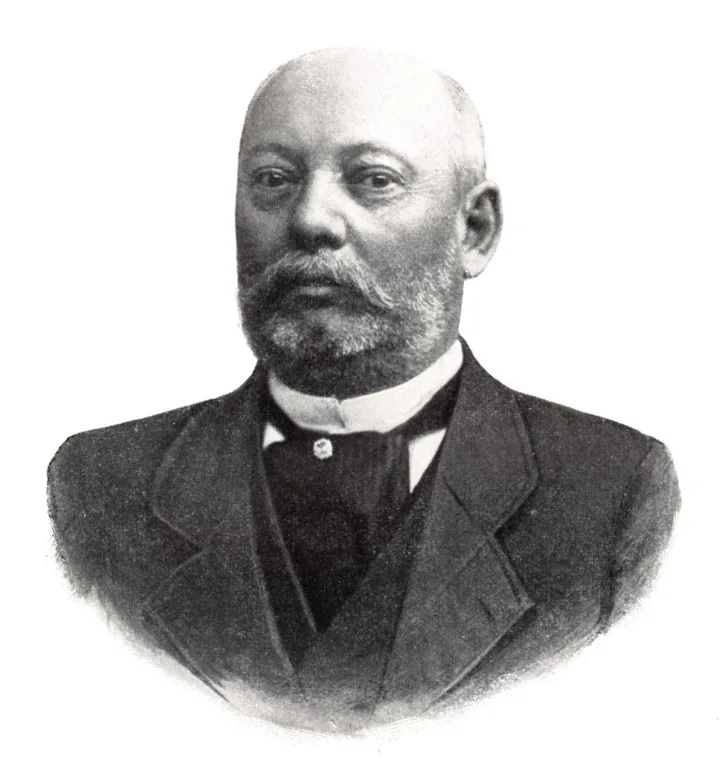
About the Author
More Books by This Author
6 picks
You May Also Like
6 picks
 The Post Office of India and Its Story
by Geoffrey Clarke
The Post Office of India and Its Story
by Geoffrey Clarke
 The Nootka Sound Controversy: A dissertation
by William R. Manning
The Nootka Sound Controversy: A dissertation
by William R. Manning
 The Treaty of Waitangi; or, how New Zealand became a British Colony
by Thomas Lindsay Buick
The Treaty of Waitangi; or, how New Zealand became a British Colony
by Thomas Lindsay Buick
 A Literary History of Ireland, from Earliest Times to the Present Day
by Douglas Hyde
A Literary History of Ireland, from Earliest Times to the Present Day
by Douglas Hyde
 A Mirror of the Turf; Or, The Machinery of Horse-Racing Revealed, Showing the Sport of Kings as It Is To-Day
by James Glass Bertram
A Mirror of the Turf; Or, The Machinery of Horse-Racing Revealed, Showing the Sport of Kings as It Is To-Day
by James Glass Bertram
 Strange Survivals: Some Chapters in the History of Man
by S. Baring-Gould
Strange Survivals: Some Chapters in the History of Man
by S. Baring-Gould