
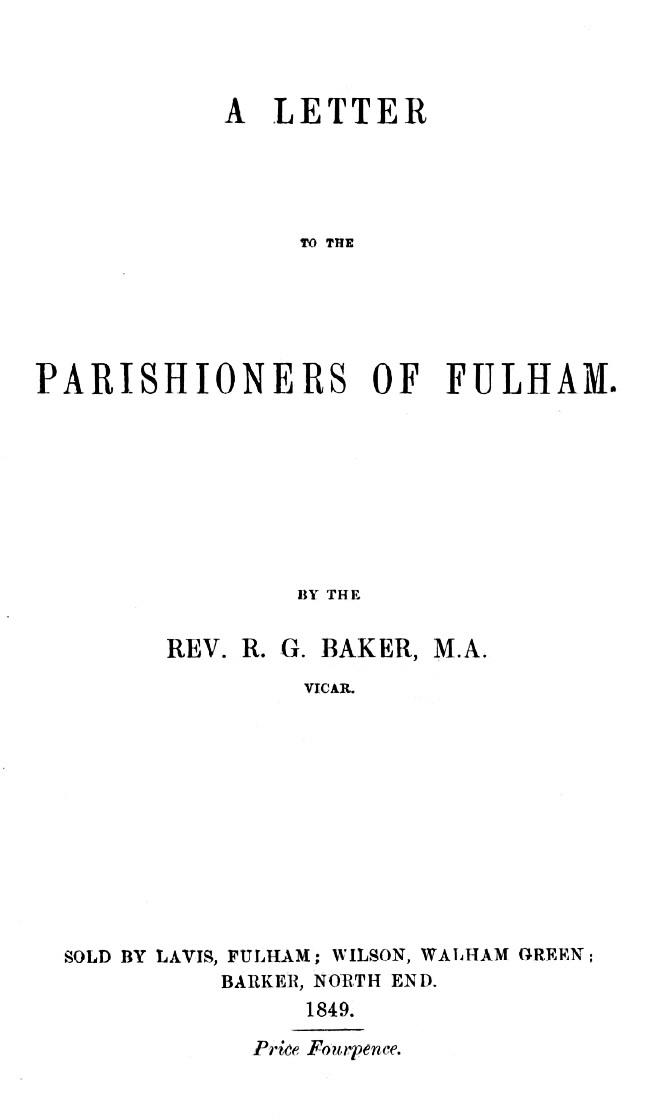
About This Book
The author addresses local parishioners after a severe cholera outbreak, reporting a sharp rise in deaths that often occurred within hours and affected many aged roughly five to fifty-five, with the majority of fatalities among the poorest residents. He links the disaster to overcrowded, poorly ventilated and drained housing and to inadequate supplies of clean water, and urges parish-level reflection and preventive effort. He outlines measures already pursued—a memorial to sewer authorities and a subscription to install public wells and pumps—and calls for further action to regulate house occupancy and improve sanitation to reduce the risk of future outbreaks.
About the Author

More Books by This Author
1 picks
You May Also Like
6 picks
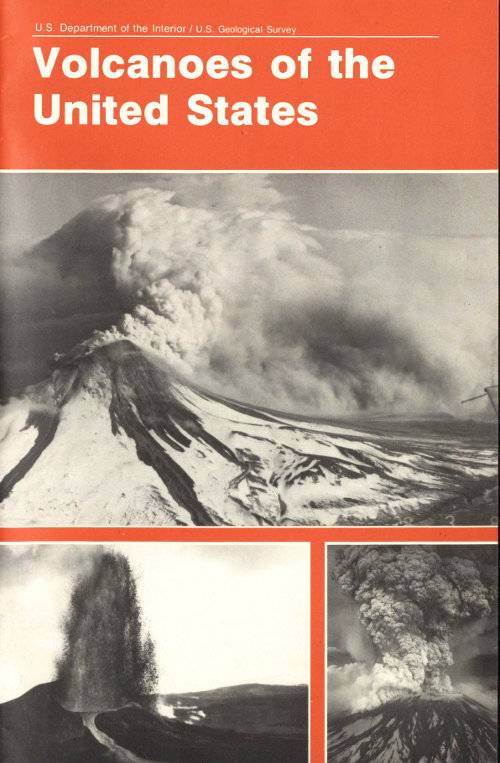 Volcanoes of the United States
by Steven R. Brantley
Volcanoes of the United States
by Steven R. Brantley
 Florence Nightingale: A Biography
by Annie Matheson
Florence Nightingale: A Biography
by Annie Matheson
 Els aucells més útils a la agricultura de Catalunya
by Emili Tarré
Els aucells més útils a la agricultura de Catalunya
by Emili Tarré
 Premature Burial and How It May Be Prevented
by William Tebb
Premature Burial and How It May Be Prevented
by William Tebb
 The swamp was upside down
by Murray Leinster
The swamp was upside down
by Murray Leinster
 A Treatise on Physiology and Hygiene / For Educational Institutions and General Readers
by Joseph C. Hutchison
A Treatise on Physiology and Hygiene / For Educational Institutions and General Readers
by Joseph C. Hutchison