

About This Book
The book offers a concise historical survey of the development of intellectual freedom, tracing how free discussion arose in ancient Greece and Rome, was constrained under medieval religious and social authorities, re-emerged during the Renaissance and Reformation, and expanded through growing religious toleration and the rise of rationalism in the seventeenth to nineteenth centuries. It analyzes psychological and institutional obstacles—conservatism, superstition, and vested clerical and social interests—and recounts key shifts that allowed dissenting ideas to circulate. The closing chapter defends liberty of thought on moral and practical grounds and summarizes arguments for protecting free inquiry.
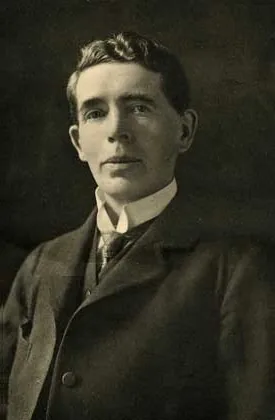
About the Author
More Books by This Author
2 picks

You May Also Like
6 picks
 Magic and Fetishism
by Alfred C. Haddon
Magic and Fetishism
by Alfred C. Haddon
 The Character and Happiness of Them That Die in the Lord / A sermon, preached Oct. 13, 1822, in Park Chapel, Chelsea, on occasion of the death of the late Rev. John Owen
by William Dealtry
The Character and Happiness of Them That Die in the Lord / A sermon, preached Oct. 13, 1822, in Park Chapel, Chelsea, on occasion of the death of the late Rev. John Owen
by William Dealtry
 The book of topiary
by Charles H. Curtis
The book of topiary
by Charles H. Curtis
 Gleanings from the Works of George Fox
by George Fox
Gleanings from the Works of George Fox
by George Fox
 History of the Origin of Representative Government in Europe
by François Guizot
History of the Origin of Representative Government in Europe
by François Guizot
 A lecture by Victoria Claflin Woodhull ...: The review of a century; or, the fruit of five thousand years
by Victoria C. Woodhull
A lecture by Victoria Claflin Woodhull ...: The review of a century; or, the fruit of five thousand years
by Victoria C. Woodhull