
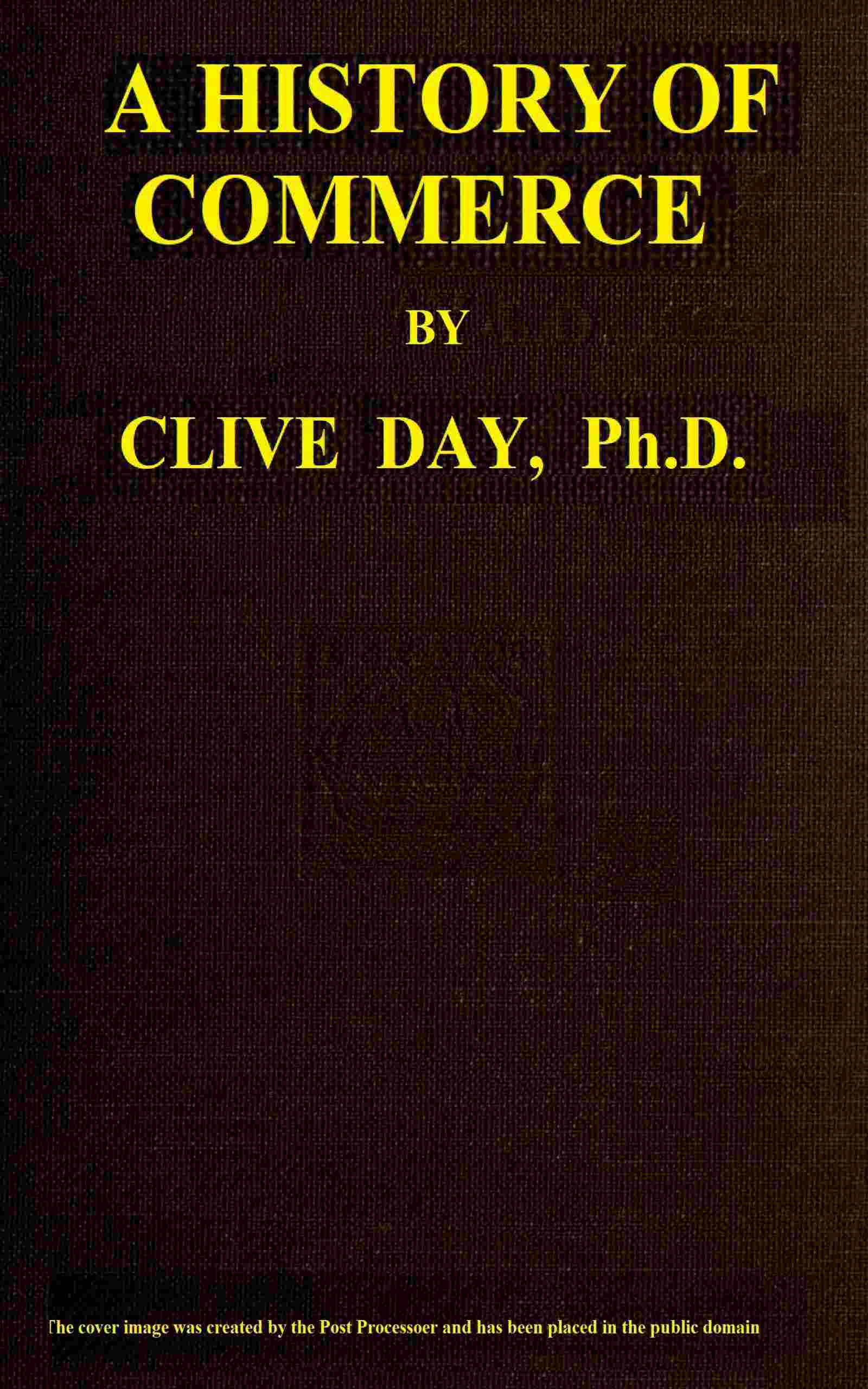
About This Book
A comprehensive historical survey traces the development of trade from ancient exchange systems through medieval fairs and town, land, and sea commerce, into the age of exploration and industrialization. It examines the institutions, routes, and technologies that shaped markets, including credit, currency, shipping, and transport, and analyzes mercantile policies, national commercial developments, and commodity flows. Detailed regional studies consider developments in major European states and the United States, while later chapters treat the effects of mechanization, coal, railroads, and communications. The final section evaluates disruptions and adaptations in international trade caused by the world war and its immediate aftermath.
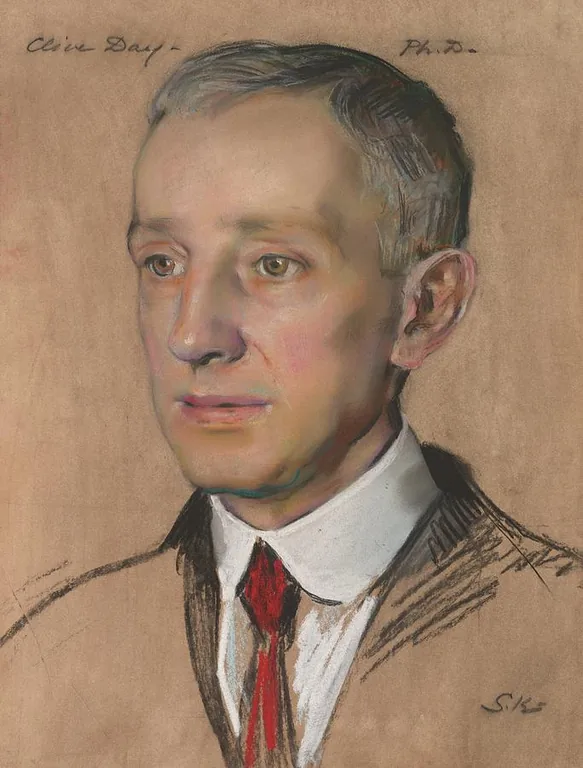
About the Author
You May Also Like
6 picks
 Forty Centuries of Ink / Or, A chronological narrative concerning ink and its backgrounds, introducing incidental observations and deductions, parallels of time and color phenomena, bibliography, chemistry, poetical effusions, citations, anecdotes and curiosa together with some evidence respecting the evanescent character of most inks of to-day and an epitome of chemico-legal ink.
by David Nunes Carvalho
Forty Centuries of Ink / Or, A chronological narrative concerning ink and its backgrounds, introducing incidental observations and deductions, parallels of time and color phenomena, bibliography, chemistry, poetical effusions, citations, anecdotes and curiosa together with some evidence respecting the evanescent character of most inks of to-day and an epitome of chemico-legal ink.
by David Nunes Carvalho
 Cuba, Old and New
by Albert G. Robinson
Cuba, Old and New
by Albert G. Robinson
 The New York Stock Exchange and Public Opinion / Remarks at Annual Dinner, Association of Stock Exchange Brokers, Held at the Astor Hotel, New York, January 24, 1917
by Otto H. Kahn
The New York Stock Exchange and Public Opinion / Remarks at Annual Dinner, Association of Stock Exchange Brokers, Held at the Astor Hotel, New York, January 24, 1917
by Otto H. Kahn
 A History of Inventions, Discoveries, and Origins, Volume 2 (of 2)
by Johann Beckmann
A History of Inventions, Discoveries, and Origins, Volume 2 (of 2)
by Johann Beckmann
 Westward empire
by Elias Lyman Magoon
Westward empire
by Elias Lyman Magoon
 Pioneers of Evolution from Thales to Huxley / With an Intermediate Chapter on the Causes of Arrest of the Movement
by Edward Clodd
Pioneers of Evolution from Thales to Huxley / With an Intermediate Chapter on the Causes of Arrest of the Movement
by Edward Clodd