
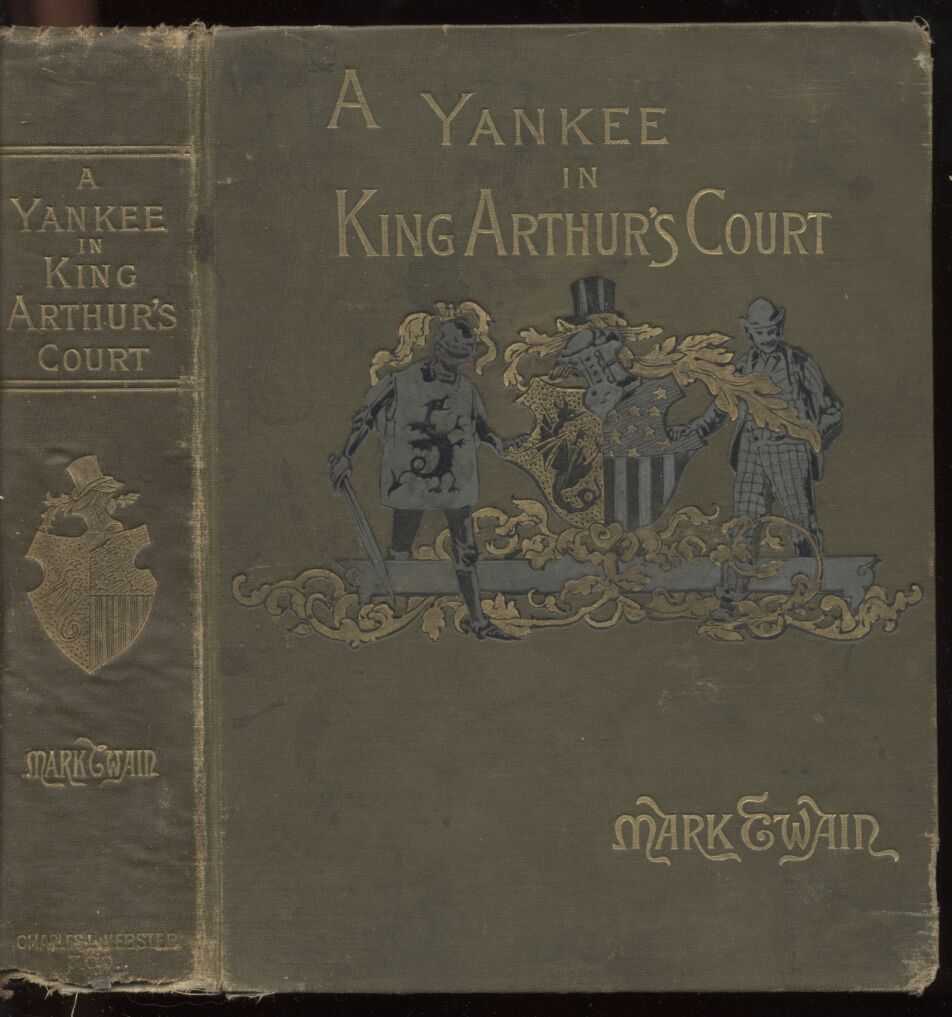
A Connecticut Yankee in King Arthur's Court, Part 6.
A time-displaced visitor arrives at a legendary medieval court and applies contemporary knowledge and methods to reshape its institutions. He wins influence through cunning and disguise, implements technological and organizational reforms, and pursues experiments in education and military discipline. Those interventions bring practical improvements but provoke resistance from entrenched authorities, create moral ambiguities, and cause suffering among ordinary people. The narrative alternates satire and comic invention with darker episodes, examining tensions between progress and tradition, the use of power, and the unintended human costs of attempted modernization.
About This Book
A time-displaced visitor arrives at a legendary medieval court and applies contemporary knowledge and methods to reshape its institutions. He wins influence through cunning and disguise, implements technological and organizational reforms, and pursues experiments in education and military discipline. Those interventions bring practical improvements but provoke resistance from entrenched authorities, create moral ambiguities, and cause suffering among ordinary people. The narrative alternates satire and comic invention with darker episodes, examining tensions between progress and tradition, the use of power, and the unintended human costs of attempted modernization.
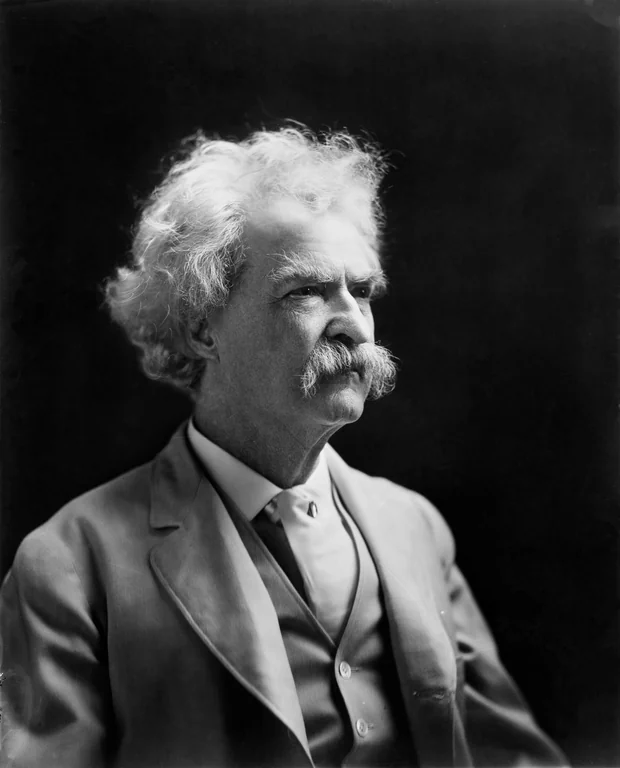
About the Author
More Books by This Author
 1601: Conversation as it was by the Social Fireside in the Time of the Tudors
by Mark Twain
1601: Conversation as it was by the Social Fireside in the Time of the Tudors
by Mark Twain
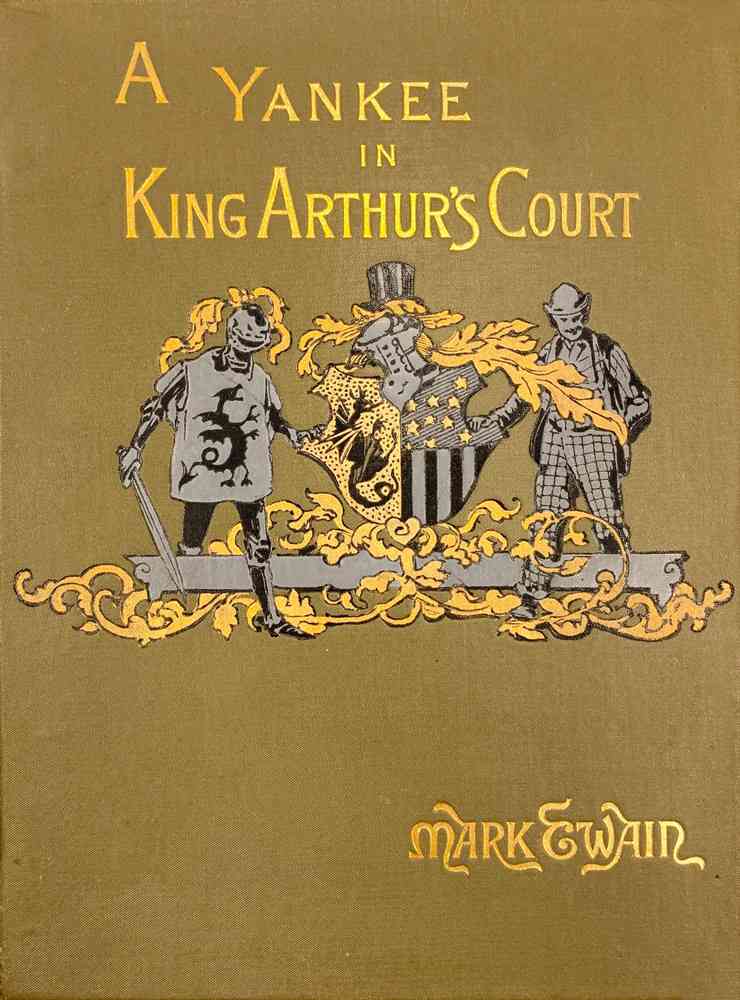 A Connecticut Yankee in King Arthur's Court
by Mark Twain
A Connecticut Yankee in King Arthur's Court
by Mark Twain
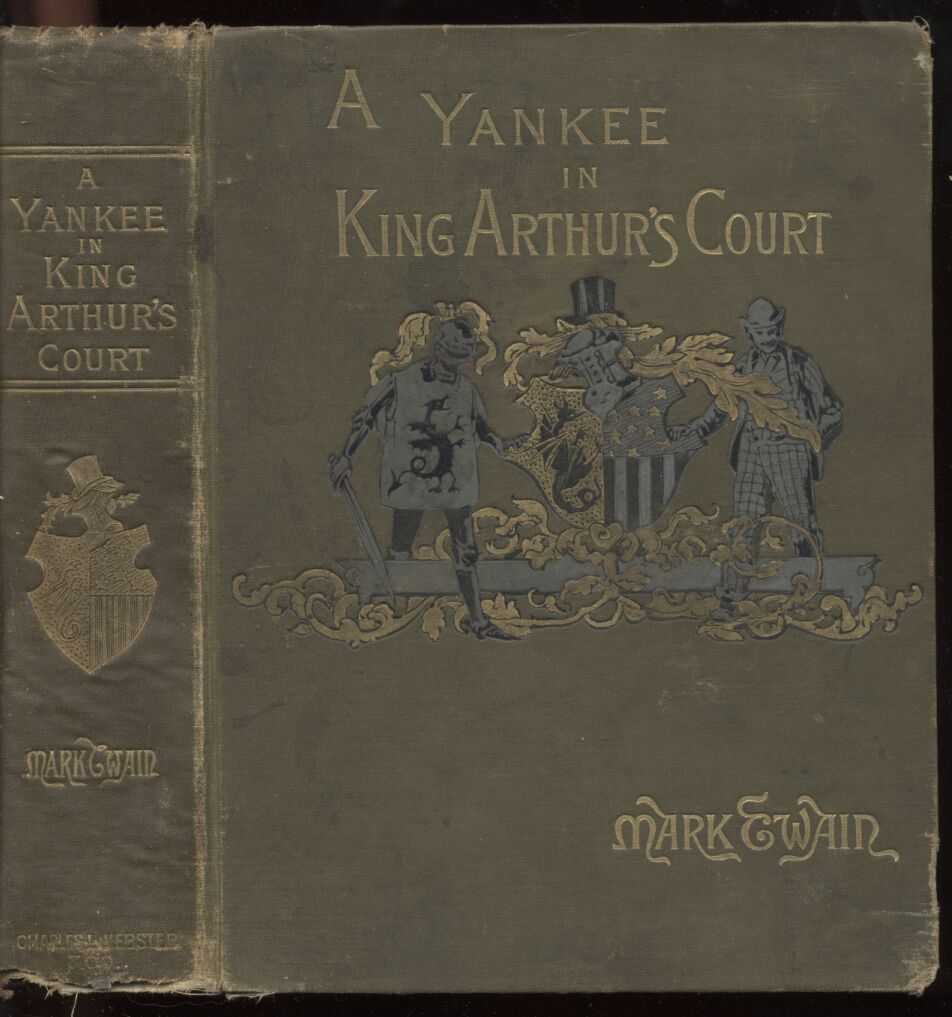 A Connecticut Yankee in King Arthur's Court, Part 1.
by Mark Twain
A Connecticut Yankee in King Arthur's Court, Part 1.
by Mark Twain
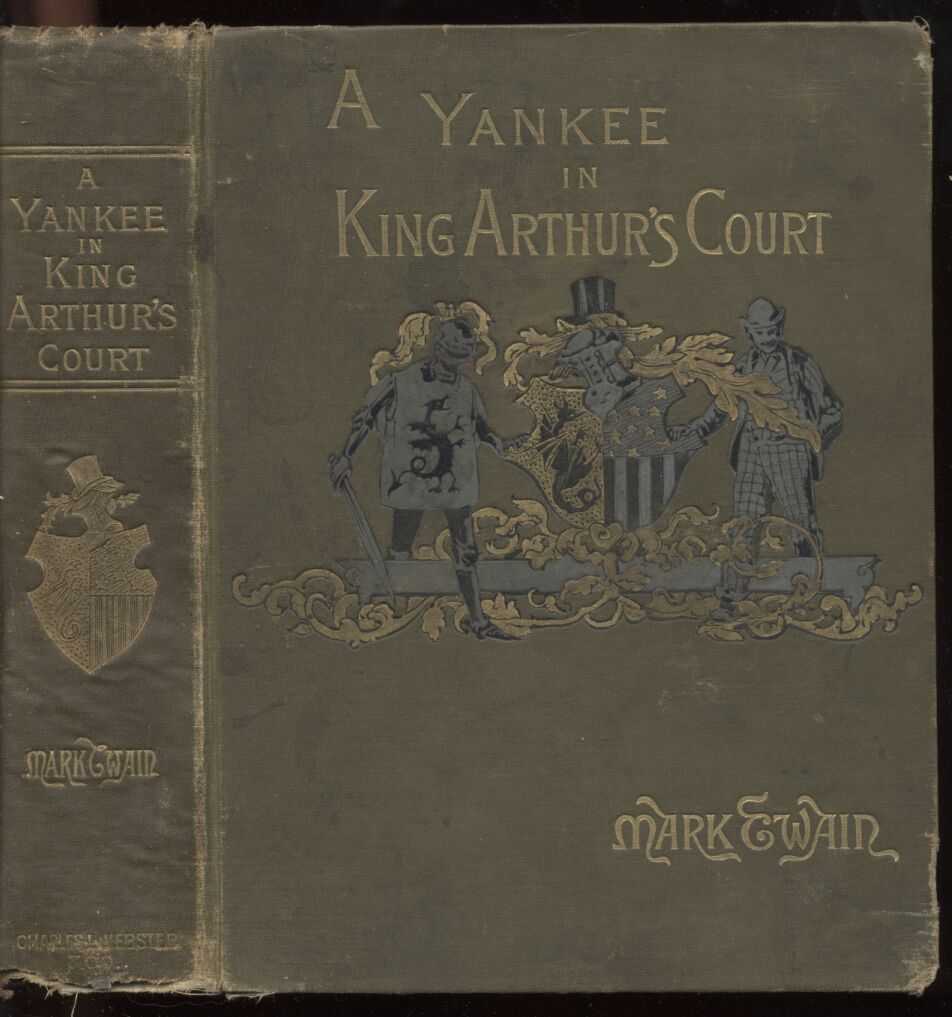 A Connecticut Yankee in King Arthur's Court, Part 2.
by Mark Twain
A Connecticut Yankee in King Arthur's Court, Part 2.
by Mark Twain
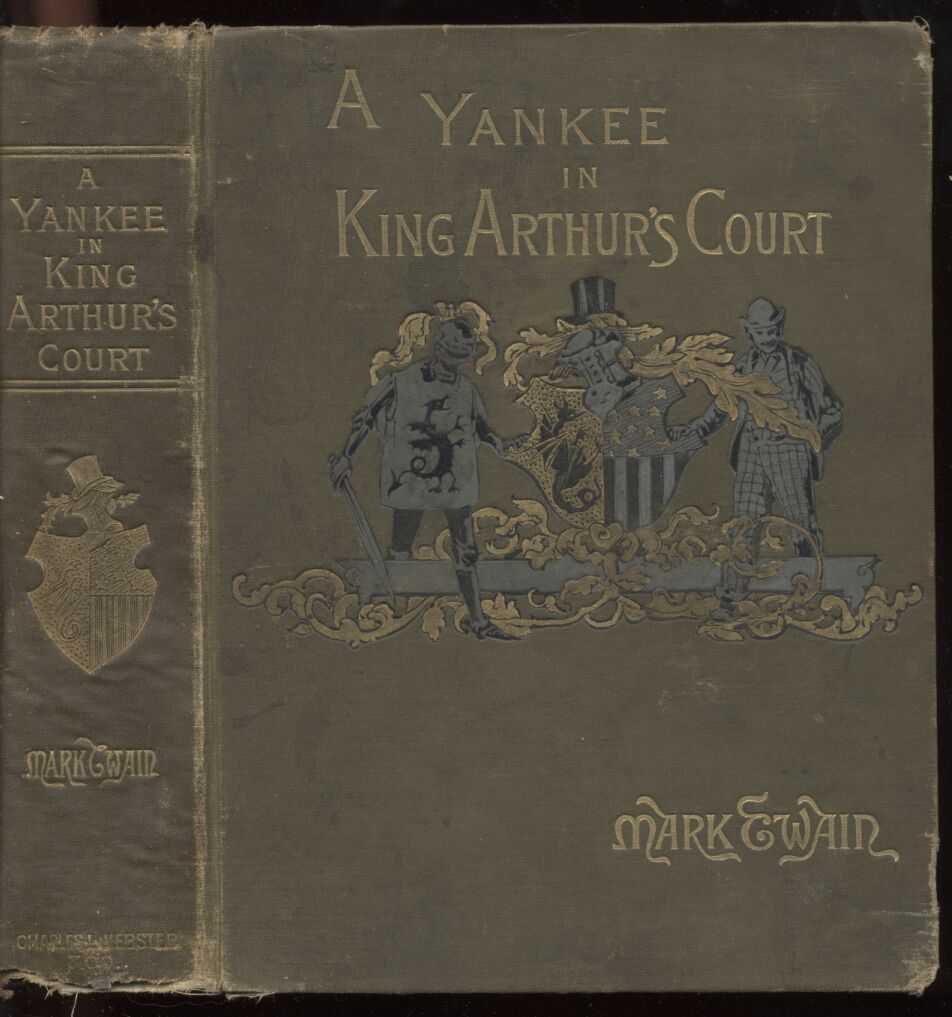 A Connecticut Yankee in King Arthur's Court, Part 3.
by Mark Twain
A Connecticut Yankee in King Arthur's Court, Part 3.
by Mark Twain
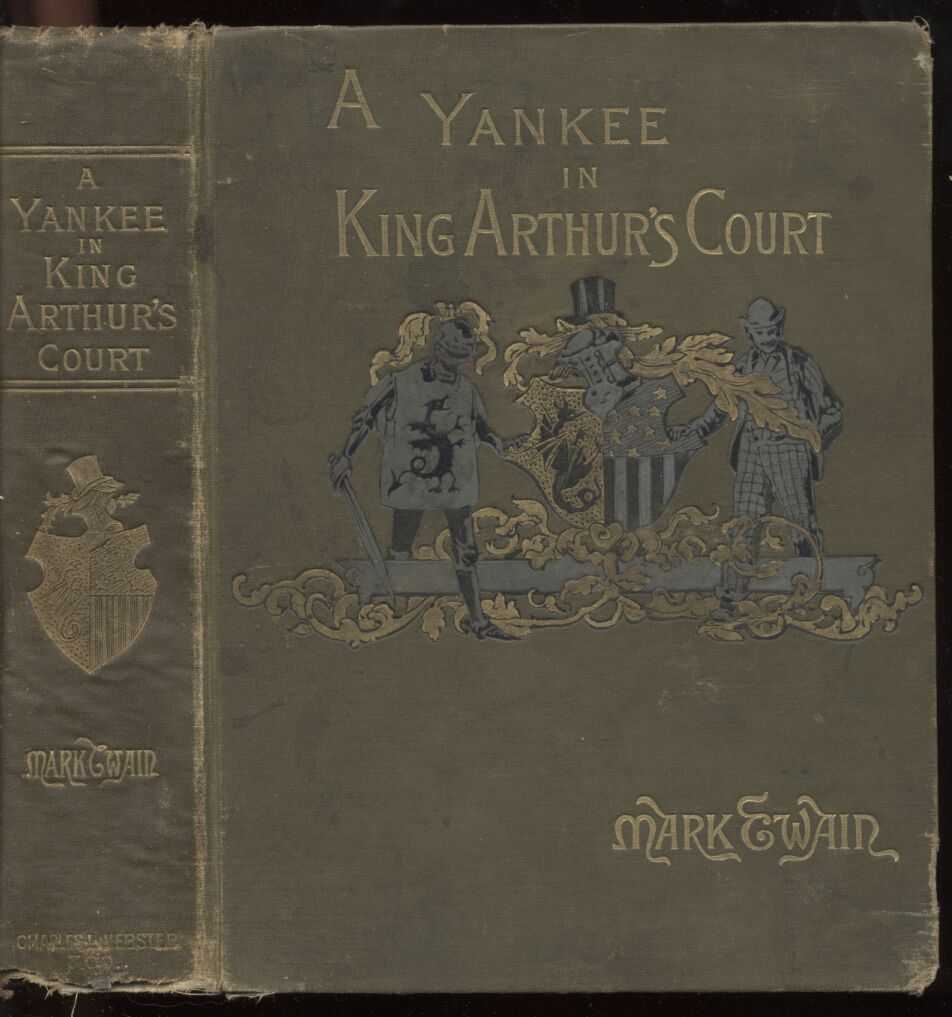 A Connecticut Yankee in King Arthur's Court, Part 4.
by Mark Twain
A Connecticut Yankee in King Arthur's Court, Part 4.
by Mark Twain
You May Also Like
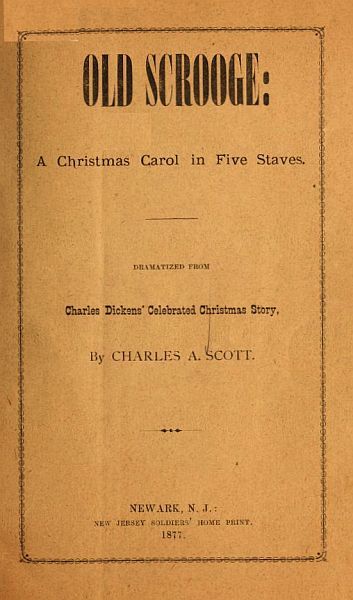 "Old Scrooge": A Christmas Carol in Five Staves. / Dramatized from Charles Dickens' Celebrated Christmas Story.
by Charles Augustus Scott
"Old Scrooge": A Christmas Carol in Five Staves. / Dramatized from Charles Dickens' Celebrated Christmas Story.
by Charles Augustus Scott
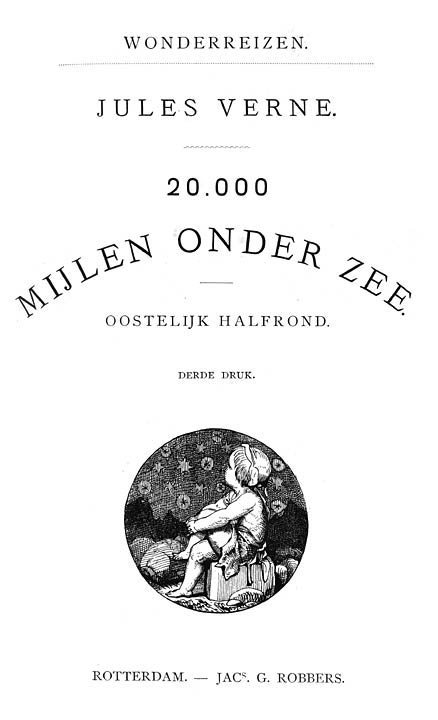 20.000 Mijlen onder Zee: Oostelijk Halfrond
by Jules Verne
20.000 Mijlen onder Zee: Oostelijk Halfrond
by Jules Verne
 20.000 Mijlen onder Zee: Westelijk Halfrond
by Jules Verne
20.000 Mijlen onder Zee: Westelijk Halfrond
by Jules Verne
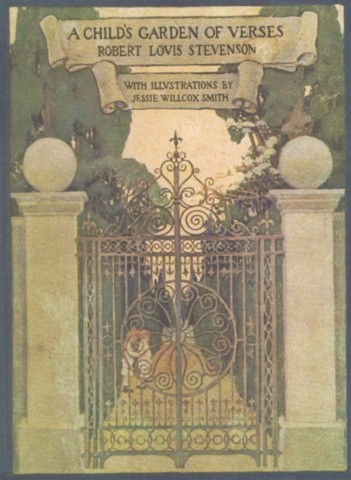 A Child's Garden of Verses
by Robert Louis Stevenson
A Child's Garden of Verses
by Robert Louis Stevenson
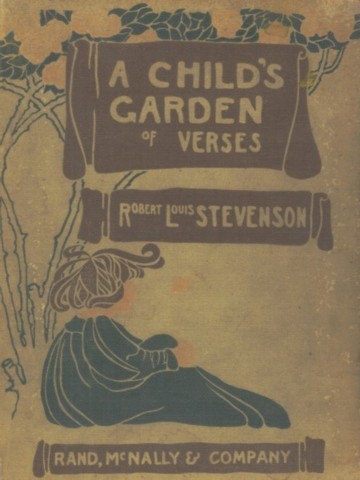 A Child's Garden of Verses
by Robert Louis Stevenson
A Child's Garden of Verses
by Robert Louis Stevenson
 A Child's Garden of Verses
by Robert Louis Stevenson
A Child's Garden of Verses
by Robert Louis Stevenson