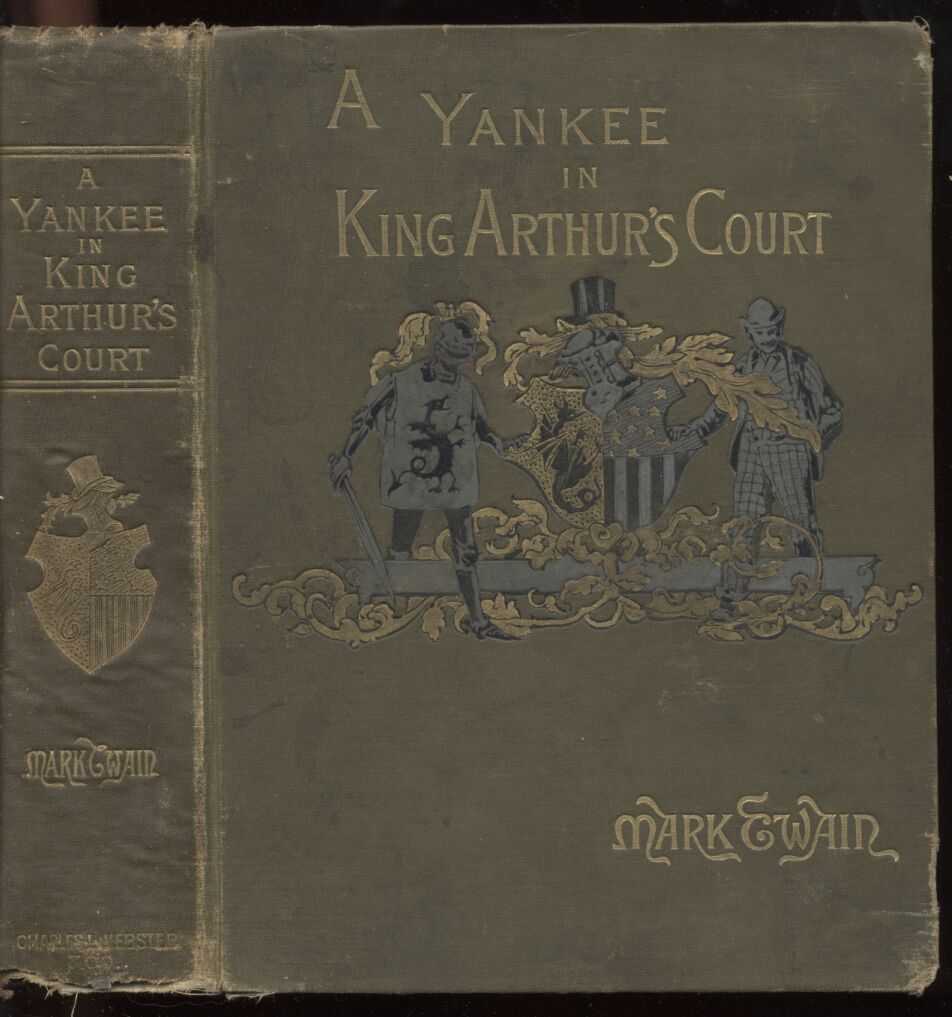
A Connecticut Yankee in King Arthur's Court, Part 5.
A technologically minded outsider transported to a legendary past uses contemporary know-how to challenge court magicians, revive broken infrastructure, and introduce new institutions. Episodic scenes pit practical innovation against superstition and ritual, while comic public spectacles and bureaucratic maneuvers expose aristocratic privilege and legal absurdities. The narrative alternates lively set pieces—processions, examinations, and publicity stunts—with reflective passages that probe the ethics and social consequences of imposing modern methods on traditional hierarchies, surveying themes of progress, power, and the friction between invention and entrenched authority.
About This Book
A technologically minded outsider transported to a legendary past uses contemporary know-how to challenge court magicians, revive broken infrastructure, and introduce new institutions. Episodic scenes pit practical innovation against superstition and ritual, while comic public spectacles and bureaucratic maneuvers expose aristocratic privilege and legal absurdities. The narrative alternates lively set pieces—processions, examinations, and publicity stunts—with reflective passages that probe the ethics and social consequences of imposing modern methods on traditional hierarchies, surveying themes of progress, power, and the friction between invention and entrenched authority.
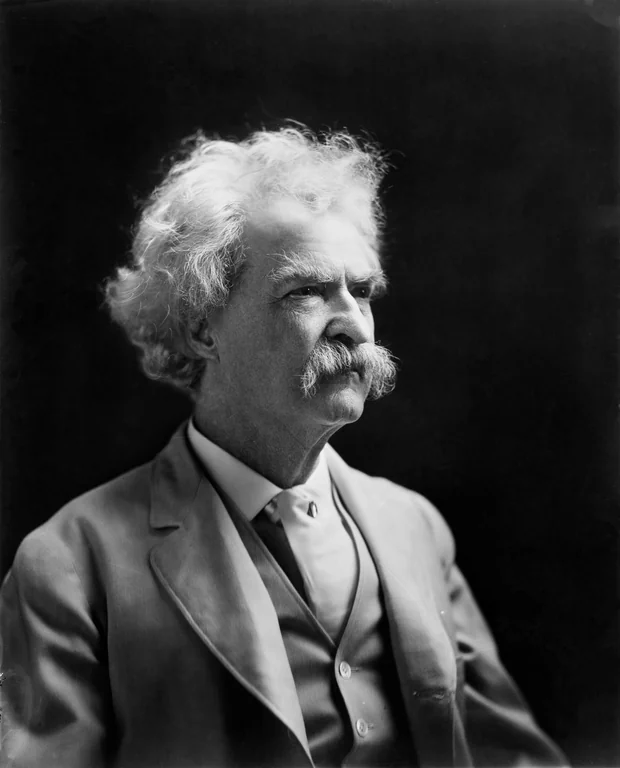
About the Author
More Books by This Author
 1601: Conversation as it was by the Social Fireside in the Time of the Tudors
by Mark Twain
1601: Conversation as it was by the Social Fireside in the Time of the Tudors
by Mark Twain
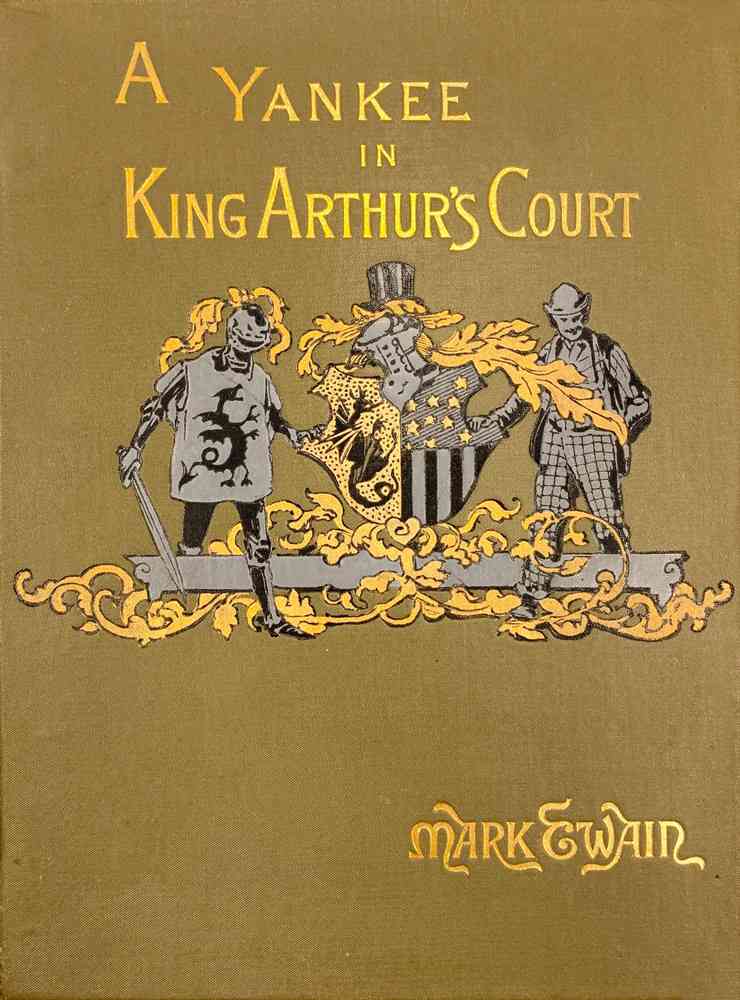 A Connecticut Yankee in King Arthur's Court
by Mark Twain
A Connecticut Yankee in King Arthur's Court
by Mark Twain
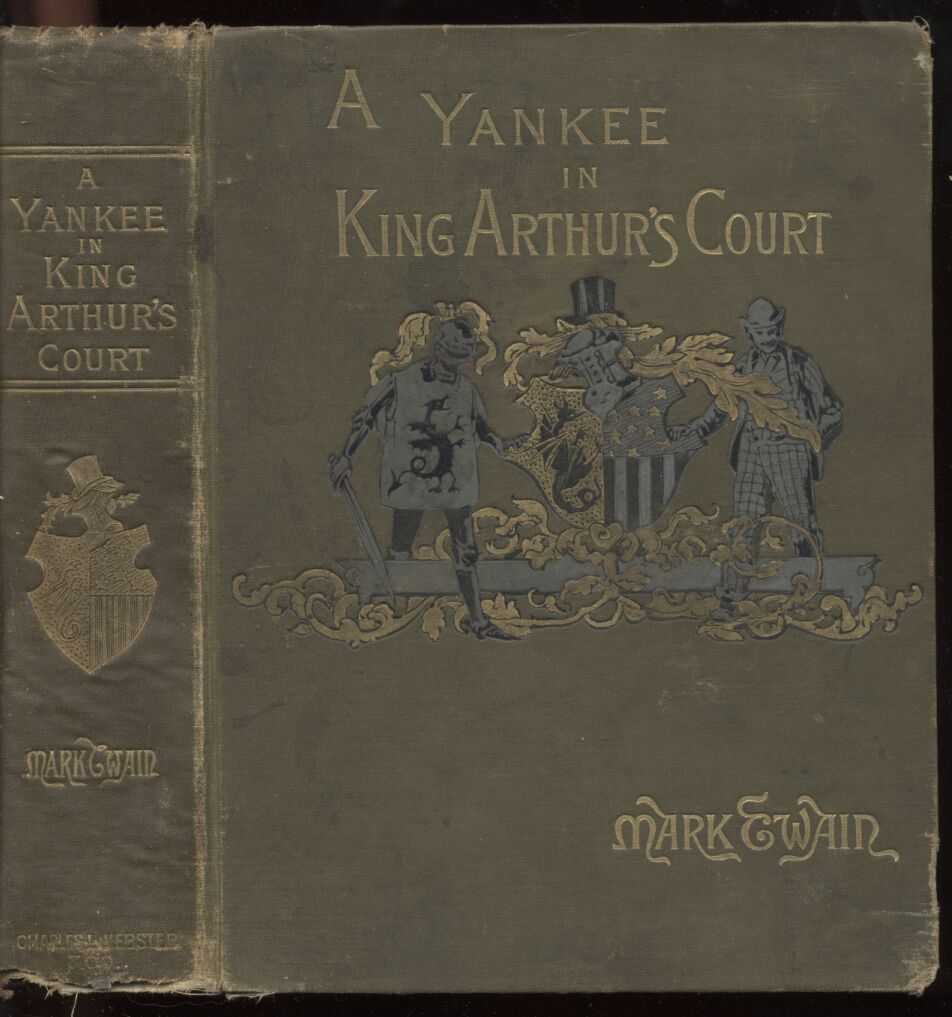 A Connecticut Yankee in King Arthur's Court, Part 1.
by Mark Twain
A Connecticut Yankee in King Arthur's Court, Part 1.
by Mark Twain
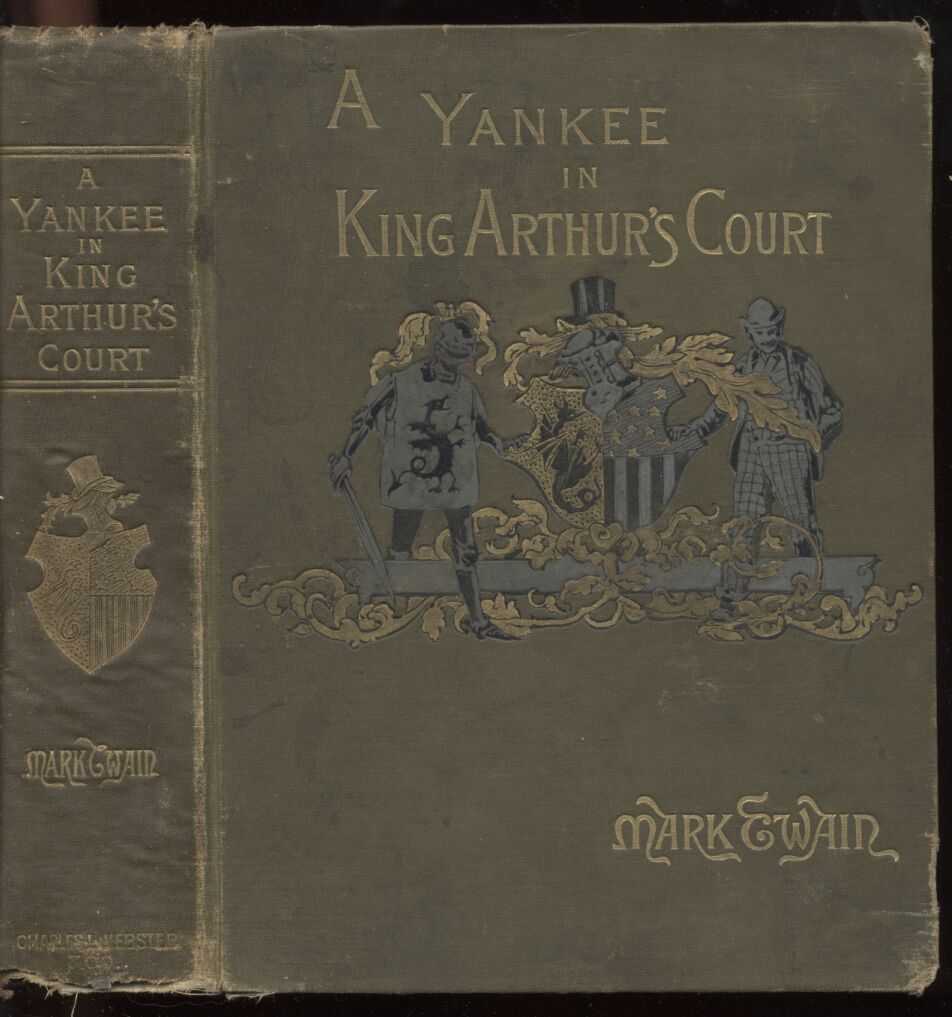 A Connecticut Yankee in King Arthur's Court, Part 2.
by Mark Twain
A Connecticut Yankee in King Arthur's Court, Part 2.
by Mark Twain
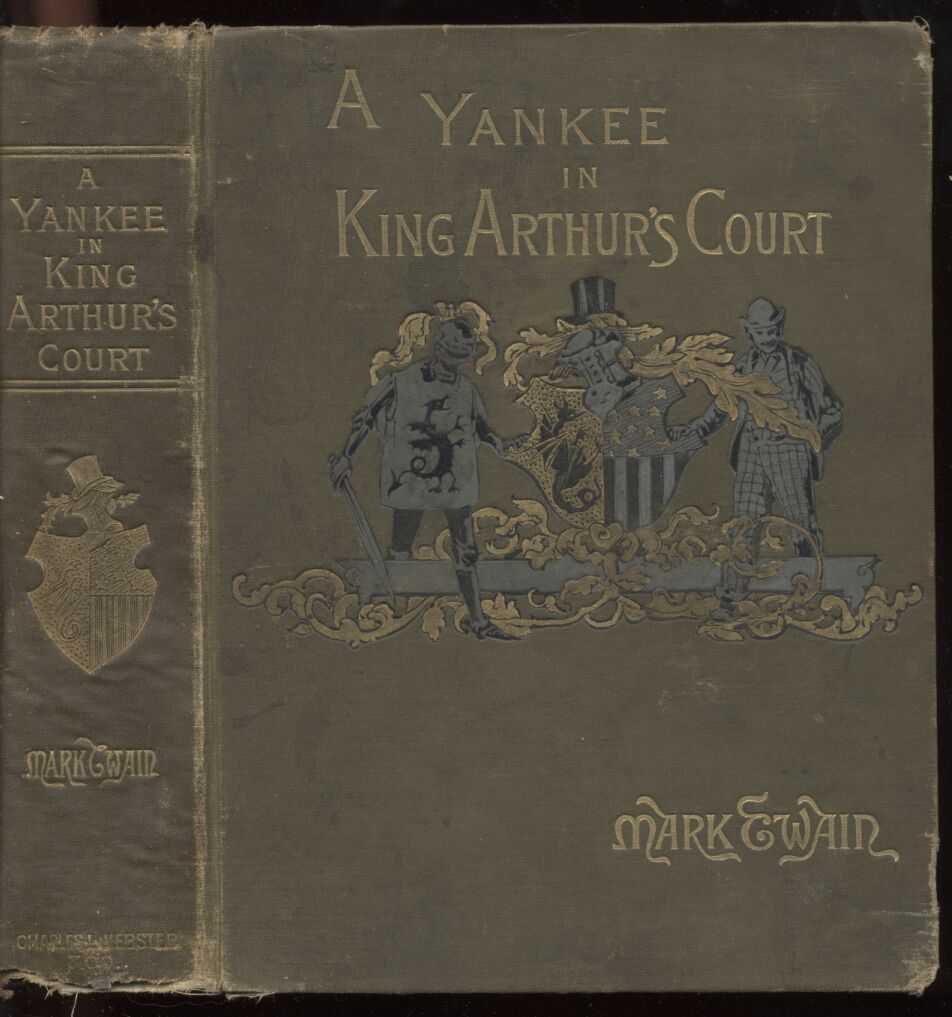 A Connecticut Yankee in King Arthur's Court, Part 3.
by Mark Twain
A Connecticut Yankee in King Arthur's Court, Part 3.
by Mark Twain
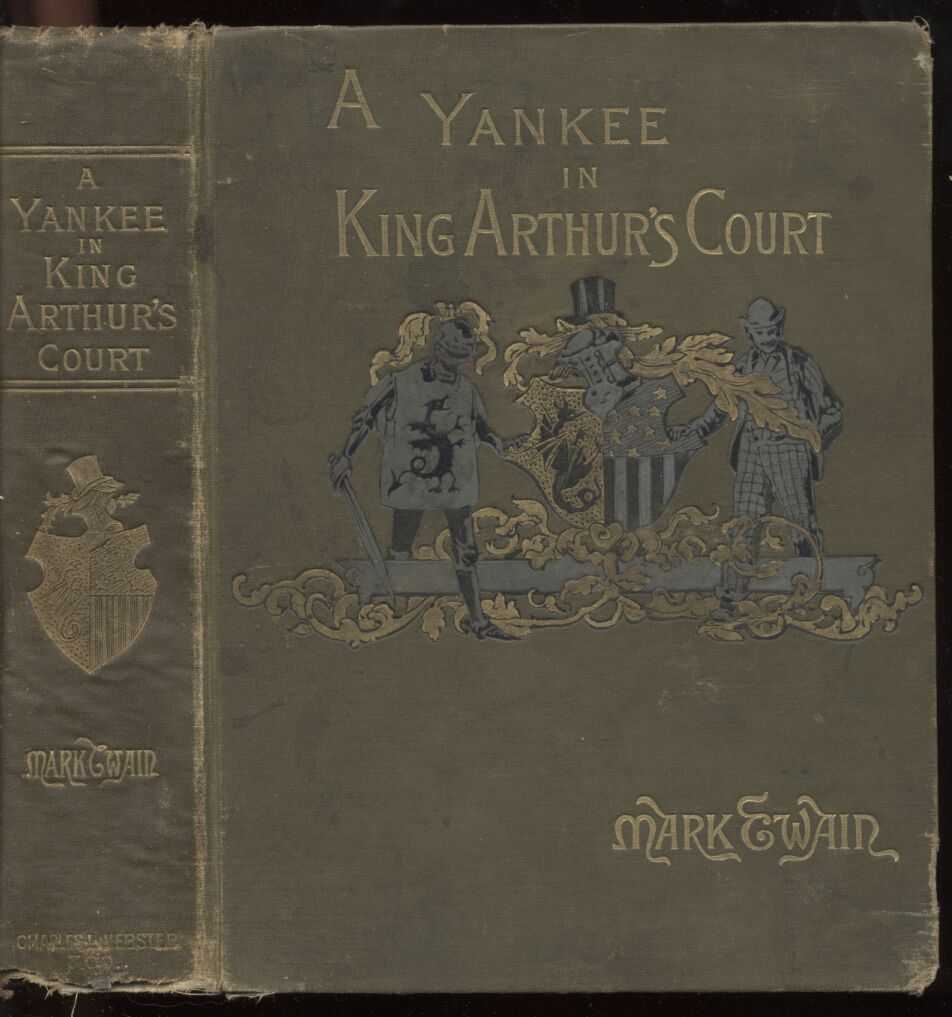 A Connecticut Yankee in King Arthur's Court, Part 4.
by Mark Twain
A Connecticut Yankee in King Arthur's Court, Part 4.
by Mark Twain
You May Also Like
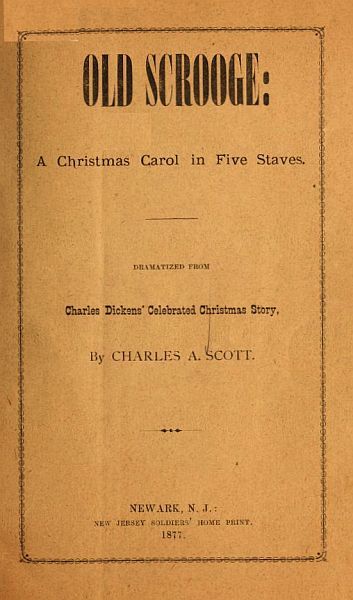 "Old Scrooge": A Christmas Carol in Five Staves. / Dramatized from Charles Dickens' Celebrated Christmas Story.
by Charles Augustus Scott
"Old Scrooge": A Christmas Carol in Five Staves. / Dramatized from Charles Dickens' Celebrated Christmas Story.
by Charles Augustus Scott
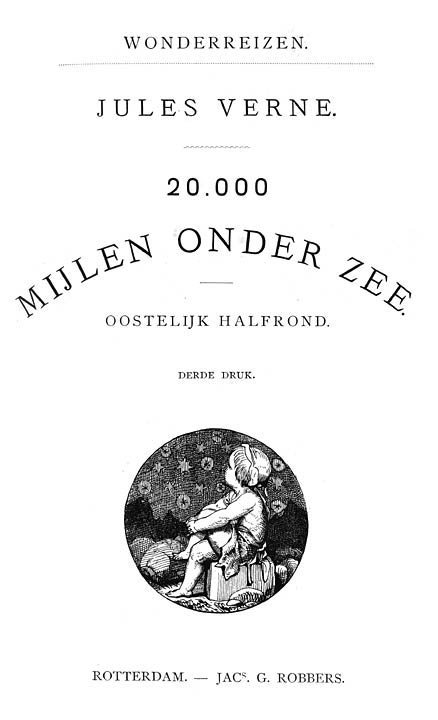 20.000 Mijlen onder Zee: Oostelijk Halfrond
by Jules Verne
20.000 Mijlen onder Zee: Oostelijk Halfrond
by Jules Verne
 20.000 Mijlen onder Zee: Westelijk Halfrond
by Jules Verne
20.000 Mijlen onder Zee: Westelijk Halfrond
by Jules Verne
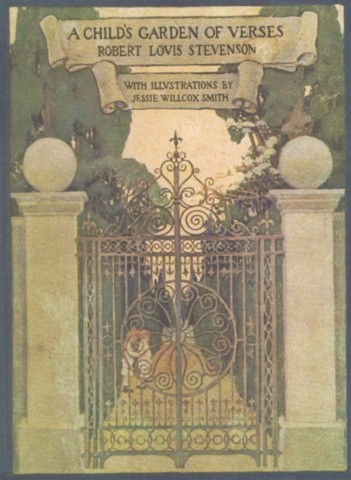 A Child's Garden of Verses
by Robert Louis Stevenson
A Child's Garden of Verses
by Robert Louis Stevenson
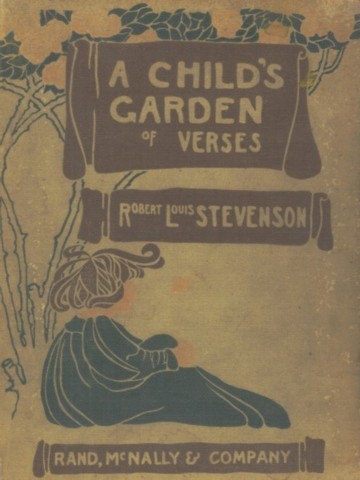 A Child's Garden of Verses
by Robert Louis Stevenson
A Child's Garden of Verses
by Robert Louis Stevenson
 A Child's Garden of Verses
by Robert Louis Stevenson
A Child's Garden of Verses
by Robert Louis Stevenson